Hunting optics, explained.
Optics are where hunters waste - and save - the most money. This is a brand-free buyer's guide to 12 kinds of hunting glass: what each one does, how to read the confusing numbers, and what actually matters versus marketing. No products, no affiliate links - just the knowledge to choose for yourself. For the wider kit, see the full gear guide.
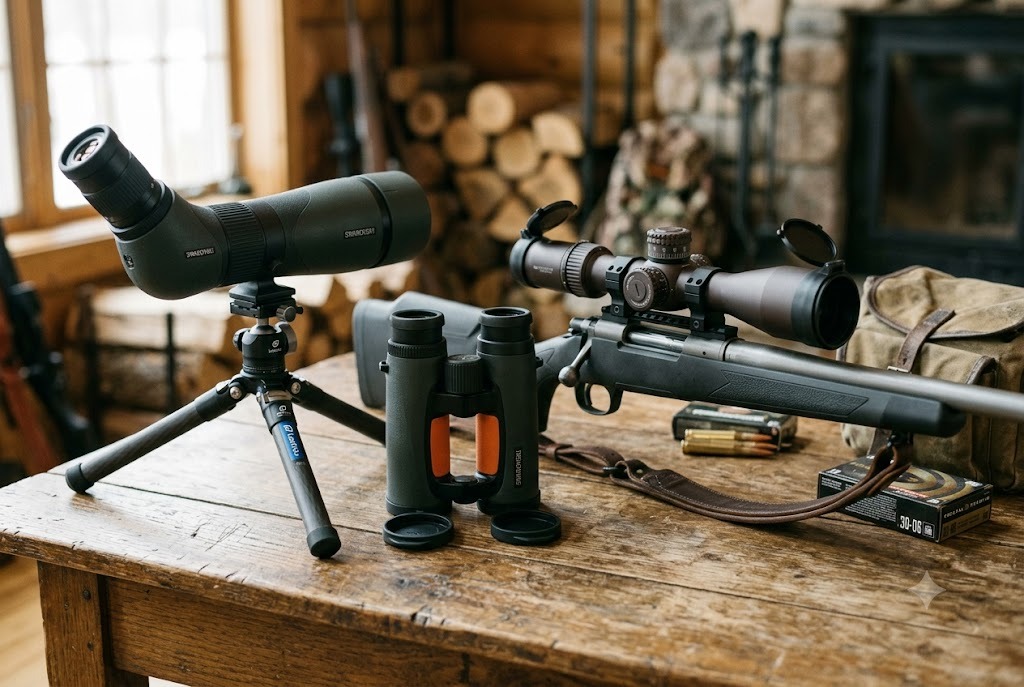
🎯 Start here - the core three If you buy optics in order, buy these first: binoculars to find game, a scope to aim, a rangefinder to know the distance.
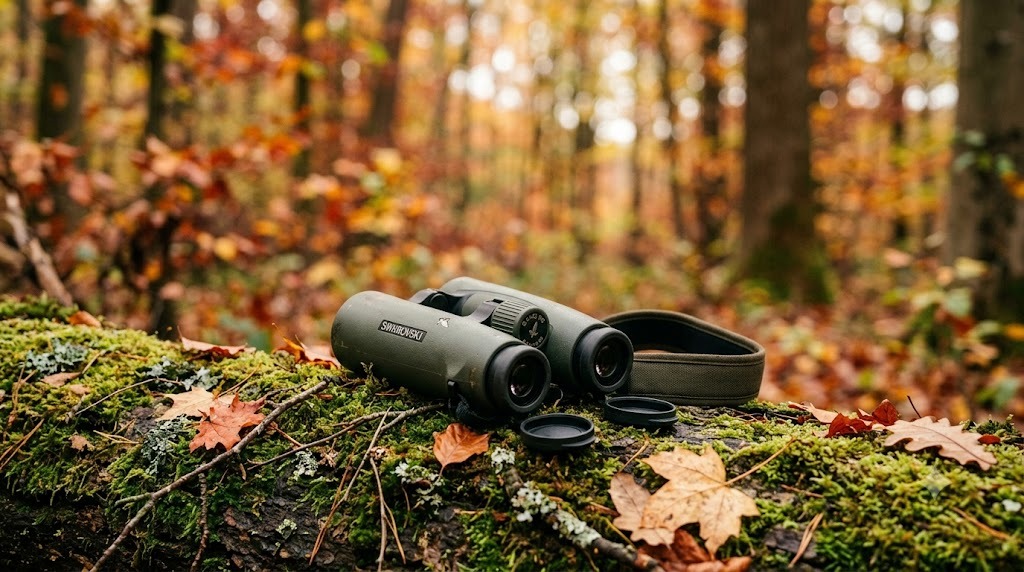
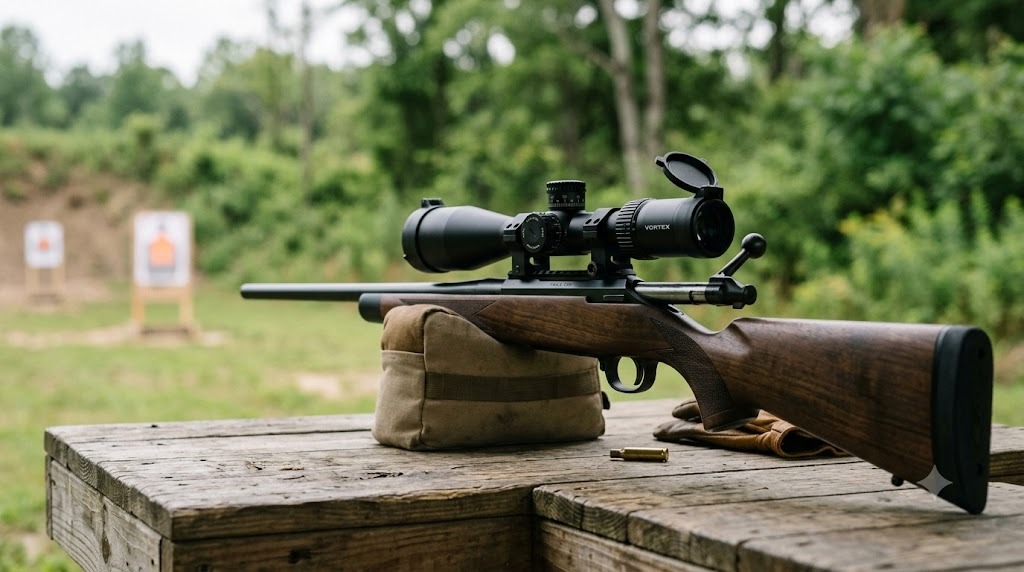
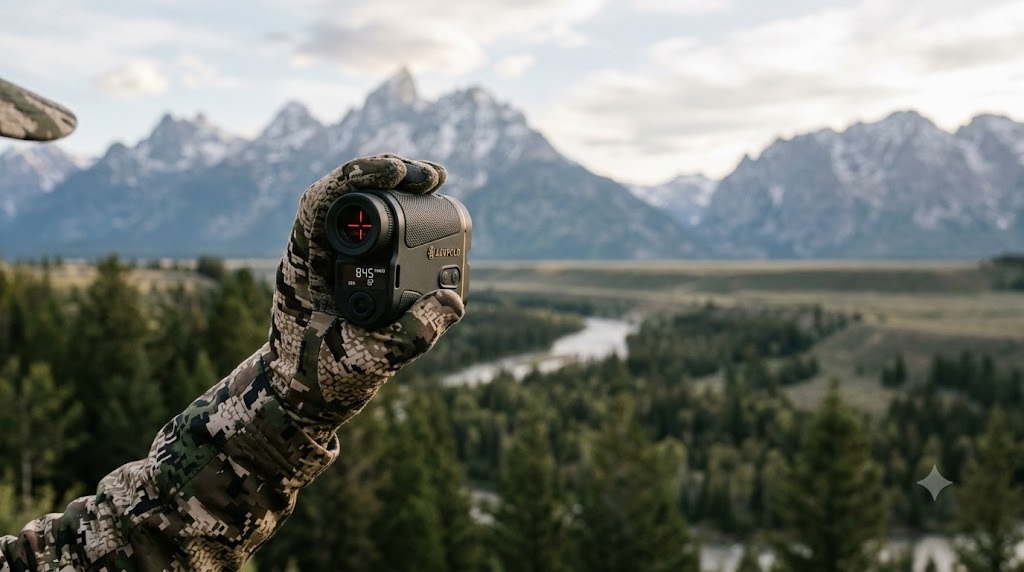
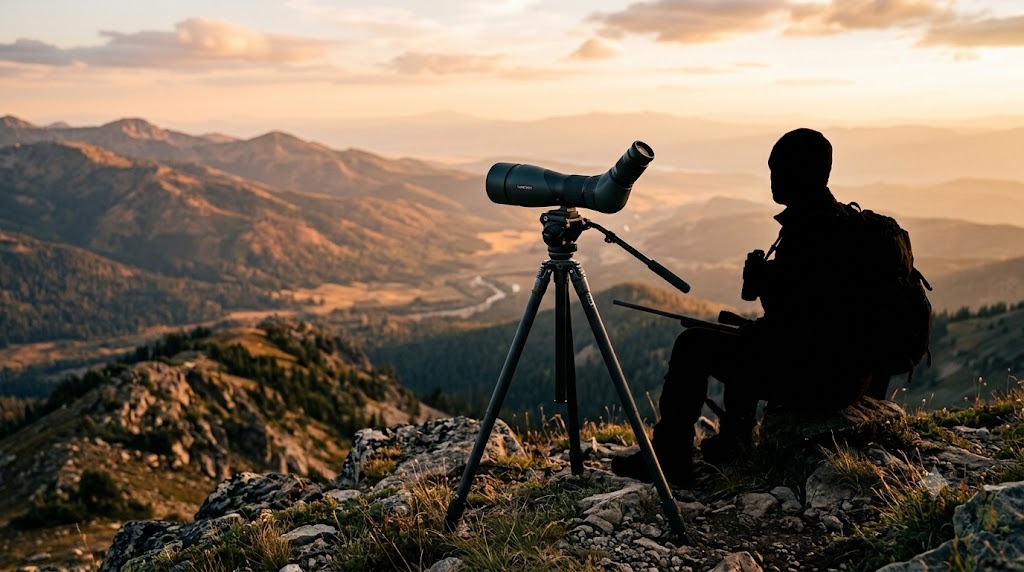
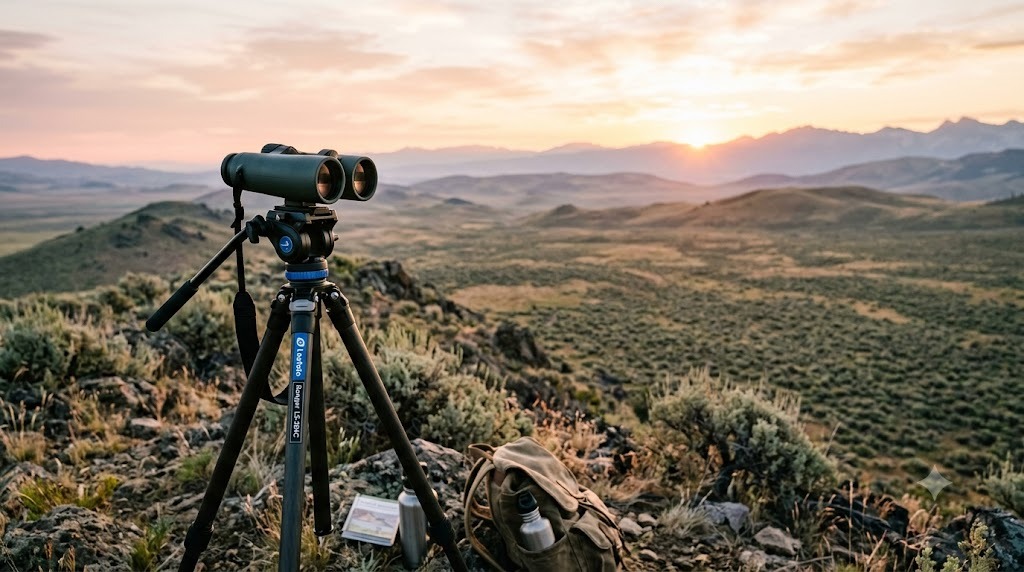
🏔️ Open-country glass For hunting where you can see for miles - judging and steadying at long range.
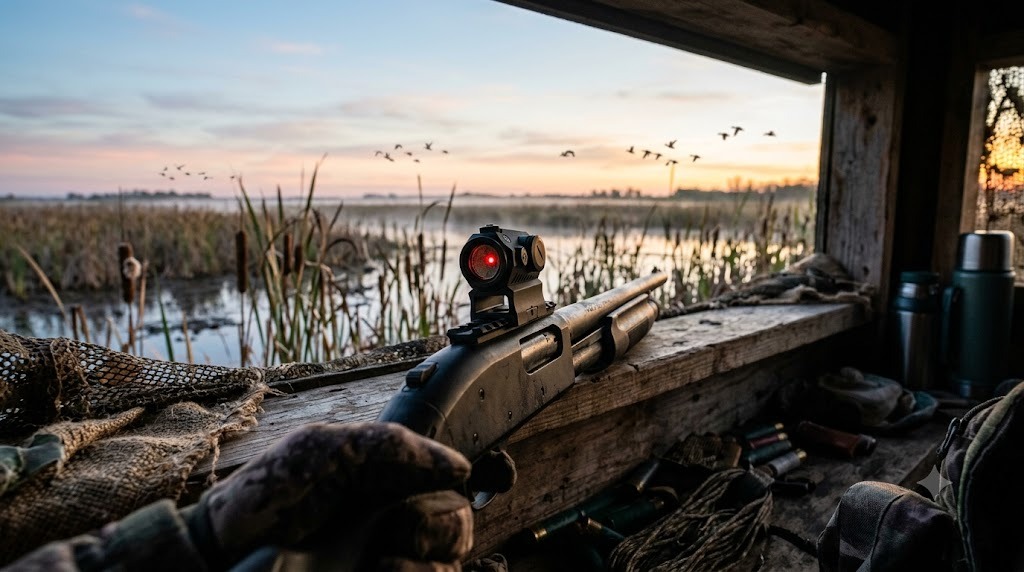
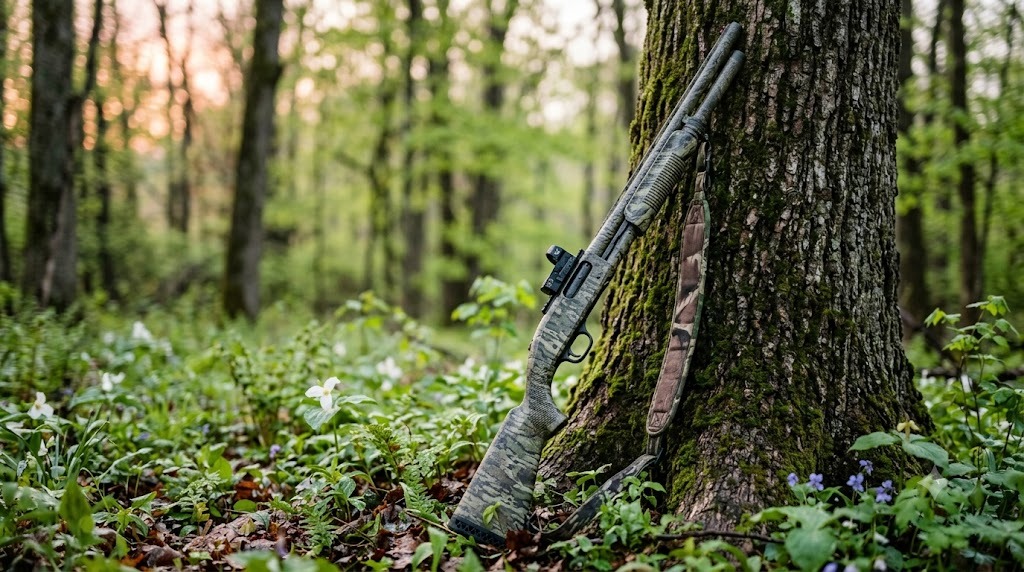
🔴 Close & fast sights No-magnification, both-eyes-open aiming for turkeys, slugs, hogs and crossbows.
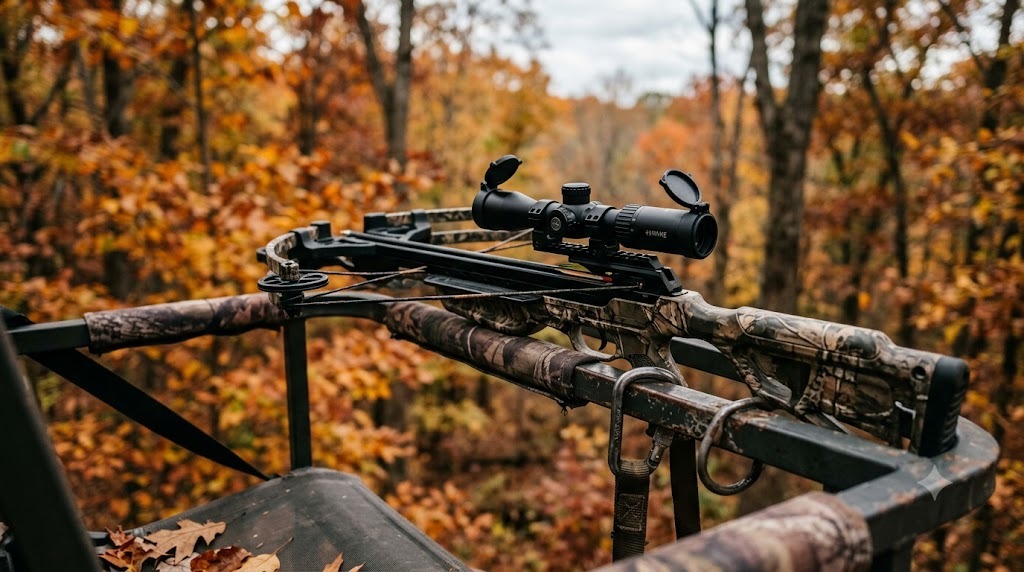
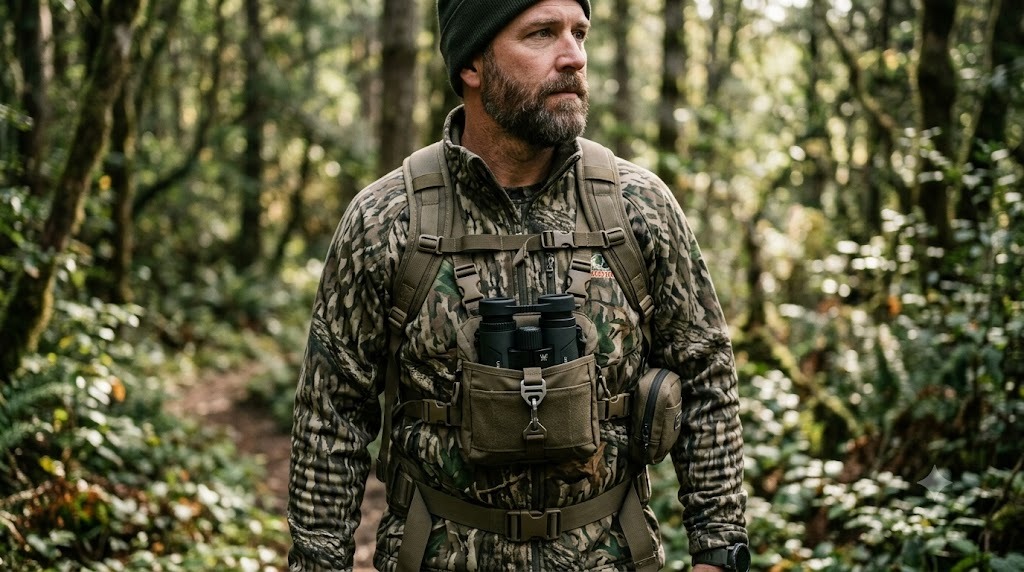
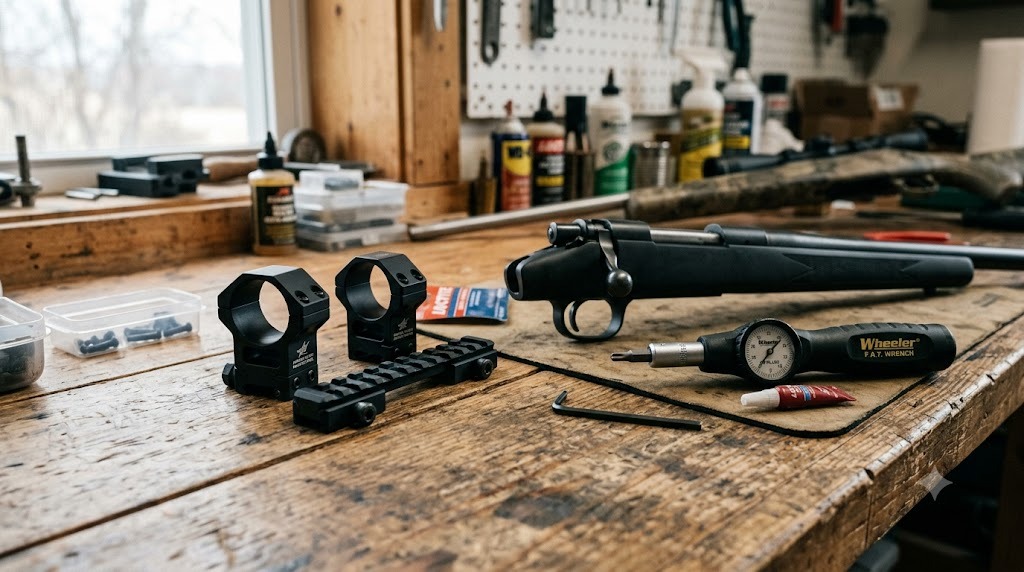
🎽 The supporting kit Cheap parts that make expensive glass actually work - carry, mounting and scouting.
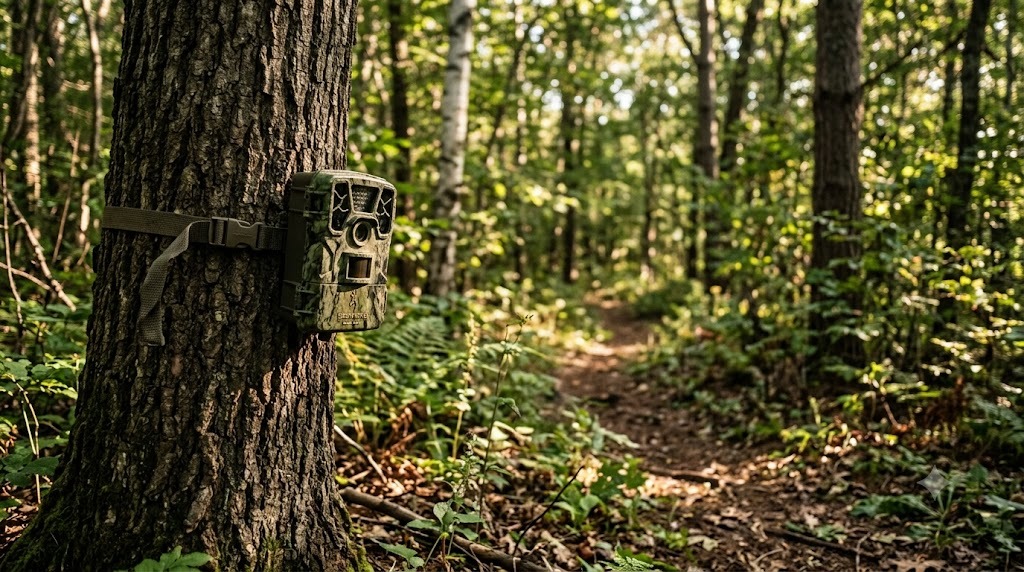
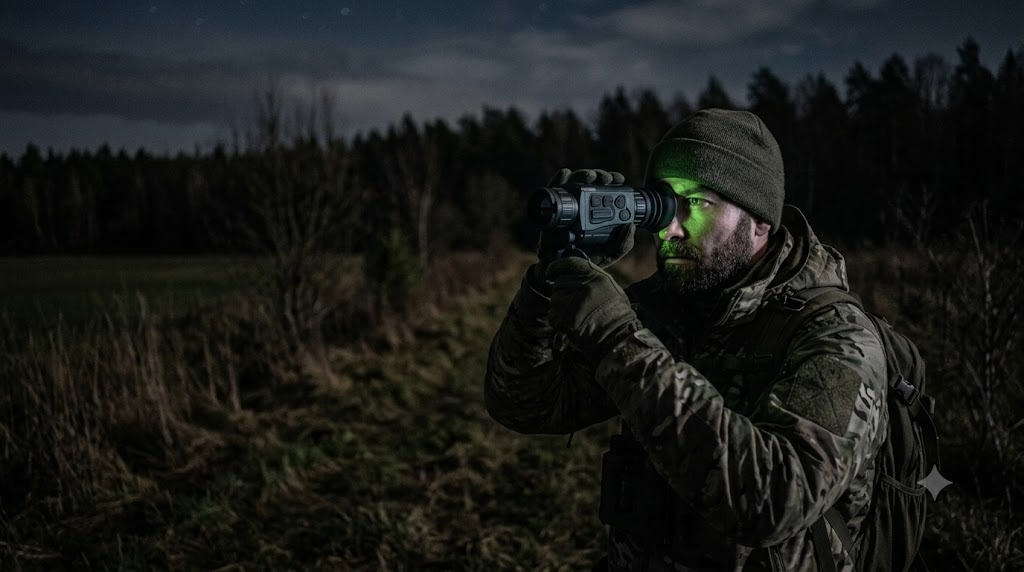
🌡️ Specialist & regulated Powerful tools with a legal-check-first warning - confirm the rules for your area before buying.
💡
Buying optics in order
If money is limited, the priority is almost always: binoculars first (you use them most), then a quality scope with quality rings for your rifle, then a rangefinder. Spotting scopes, thermal and the rest are specialist tools - buy them only when your hunting genuinely calls for them. Spend on glass and mounting; skip the gimmicks.