Use the whole animal.
Meat is only the beginning. For most of human history the hide, antler, bone, sinew and feathers were the other half of the harvest - clothing, tools, thread and light. These crafts are still alive, still satisfying, and they turn a successful season into things you'll use for decades.
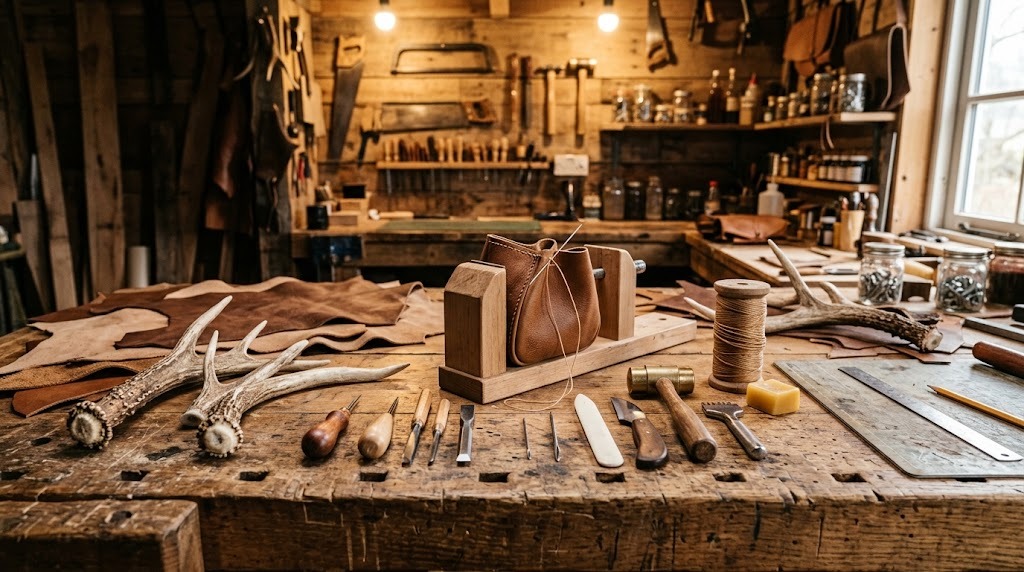
The crafts
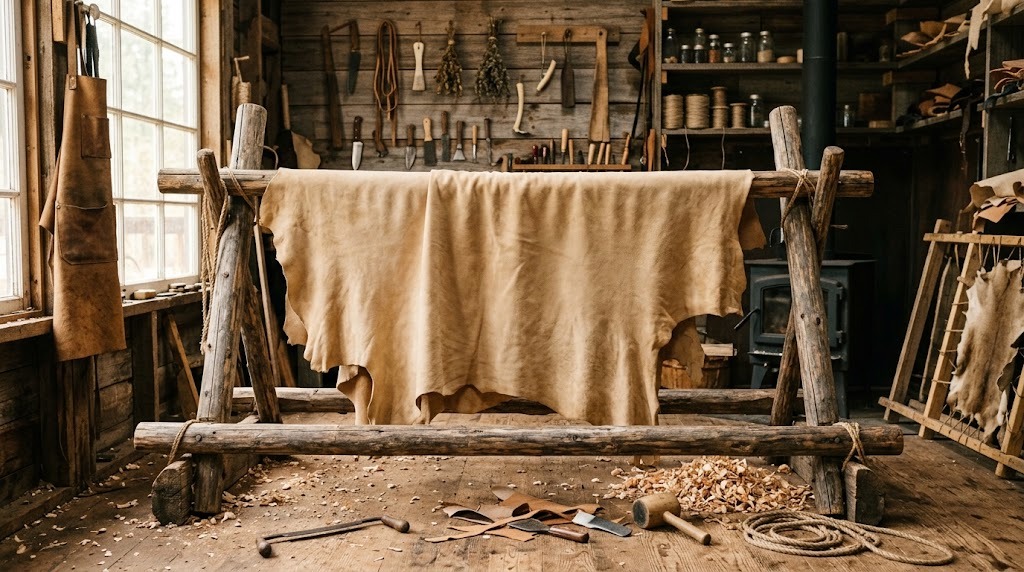
Hide tanning
Turning a raw deer or elk hide into soft, usable leather or buckskin.
The craftTwo traditional roads: brain tanning (working the hide with an emulsion of the animal's own brain fat, then smoking it) gives the soft, matte buckskin of the old frontier; bark tanning (soaking in tannin-rich oak or hemlock bark liquor for weeks) gives firmer, tooling-grade leather. Both are slow, physical, honest work - fleshing, graining, stretching and breaking the fibres by hand.
Worth knowingModern chemical tanning kits exist and work, but they involve strong acids and salts - if you go that way, follow the manufacturer's sheet and your local disposal rules to the letter. We describe the craft here; for step-by-step chemistry, use a dedicated tannery manual or a hands-on class.
People make: Buckskin shirts and bags, knife sheaths, moccasins, wall hides.
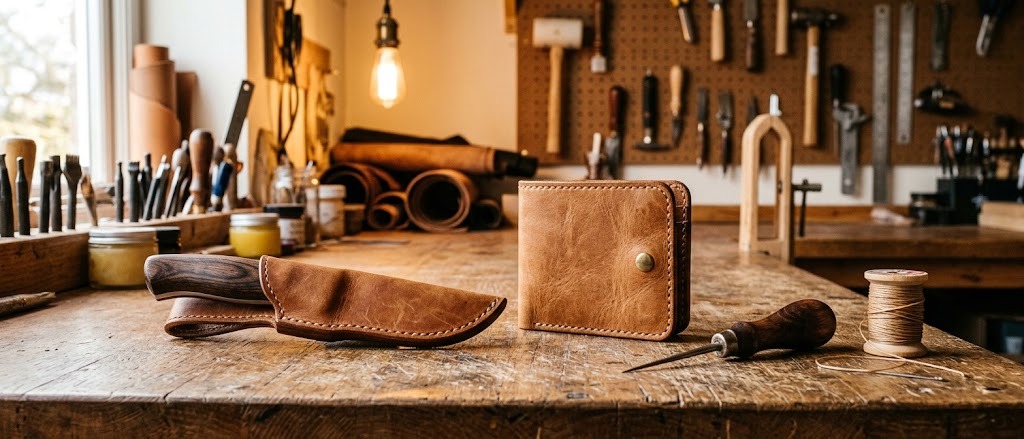
Leather goods
Wallets, belts, sheaths and possibles bags from tanned deer, elk or boar leather.
The craftDeer leather is thin, stretchy and buttery - perfect for wallets, gloves and bag bodies. Elk runs thicker and firmer, boar makes a distinctive pebbled grain. The craft itself is approachable: a few hand tools (awl, needles, waxed thread, edge beveler), saddle stitching, and patience. A single hide yields years of small projects.
Worth knowingIf you'd rather not tan your own, small tanneries will process your raw hide for a fee - you still end up with leather from your own animal.
People make: Wallets, belts, knife sheaths, rifle slings, axe masks, journal covers.
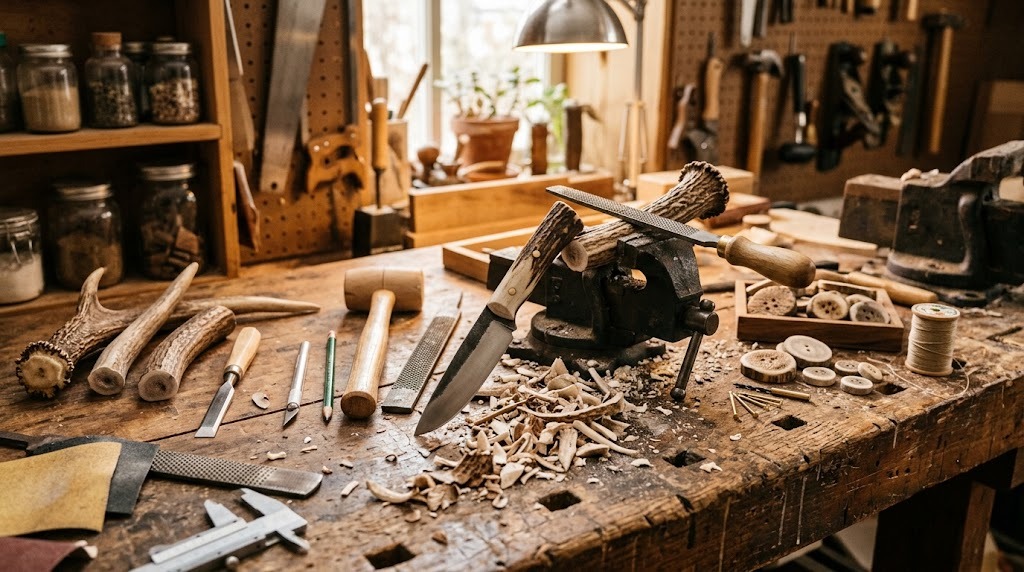
Antler work
Knife handles, buttons, toggles and lamps from shed or harvested antler.
The craftAntler is dense bone-like material that cuts with ordinary woodworking tools (slow speeds, dust mask - the smell is memorable). Crown sections become knife and fork handles, tine tips become toggles and zipper pulls, burr slices become buttons and coasters. Whole racks become chandeliers, lamp bases and coat racks.
Worth knowingShed hunting in spring is its own quiet season - and sheds carry no tag requirements in most places. Check your state's rules where sheds come from protected parks.
People make: Knife scales, buttons, dog chews, cribbage boards, chandeliers, drawer pulls.
Shed hunting basics →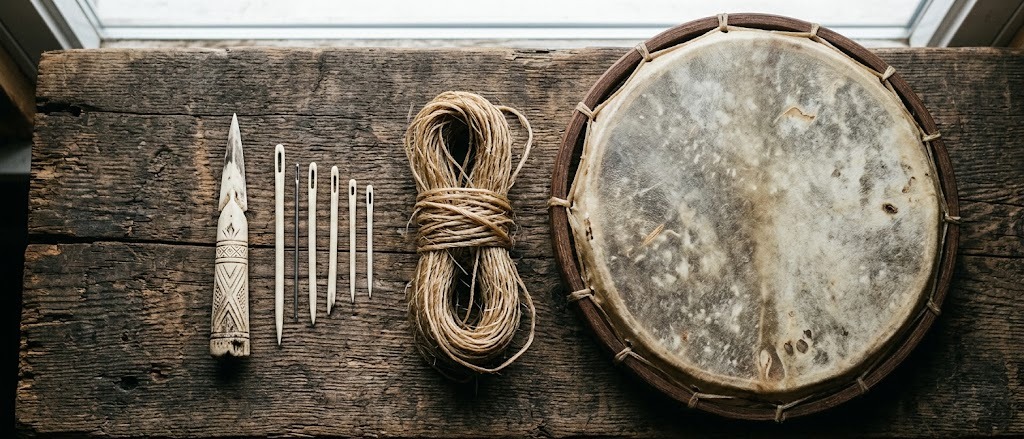
Bone, sinew & rawhide
The quiet crafts: tools, cordage and drum heads from what most people discard.
The craftLeg bones split and grind into awls, needles, hide scrapers and knife handles. Leg sinew, dried and pounded, separates into thread that backed bows and sewed clothing for millennia. Rawhide - dehaired, dried, untanned hide - shrinks iron-hard as it dries: that's why it wrapped tool heads, laced snowshoes and still makes the best drum heads.
Worth knowingSimmer and clean bones thoroughly before working them. Marrow bones you don't craft with are also the base of the best game stock - nothing wasted either way.
People make: Awls and needles, snowshoe lacing, drum heads, bow backing, stock bones.
Feather crafts
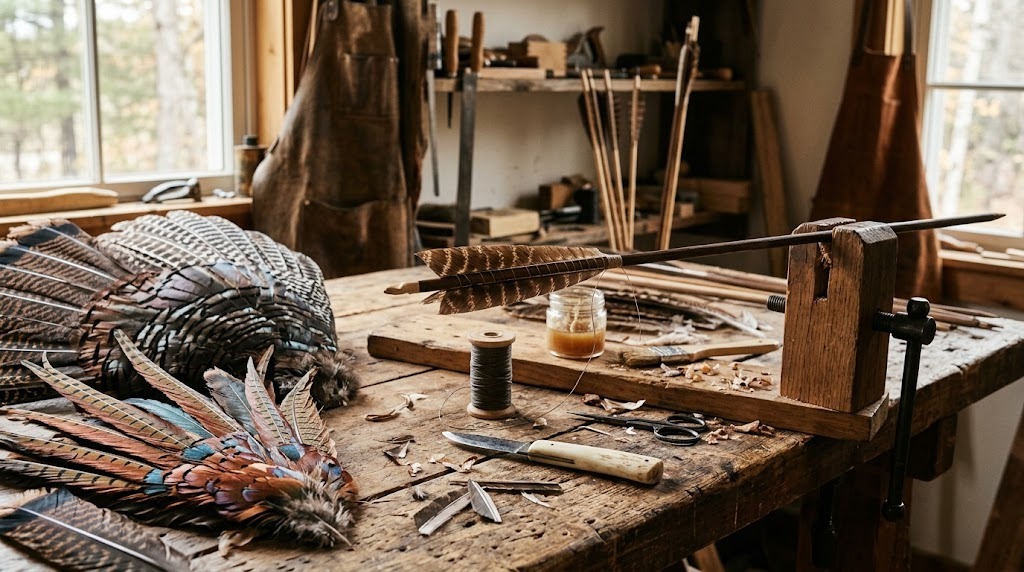
Turkey, pheasant and duck feathers as material - not trash in the field.
The craftWing and tail feathers become fletching for traditional arrows, hat bands, wreaths and framed displays. Pheasant and duck plumage is prized for decorative work and for dressing hooks. A single autumn turkey carries enough usable feathers for a winter of small projects.
Worth knowingKnow the law before selling or gifting: many non-game bird feathers (raptors, songbirds) are strictly protected - work only with feathers from legally harvested game species.
People make: Arrow fletching, hat bands, wreaths, displays, hook dressing.
European skull mounts
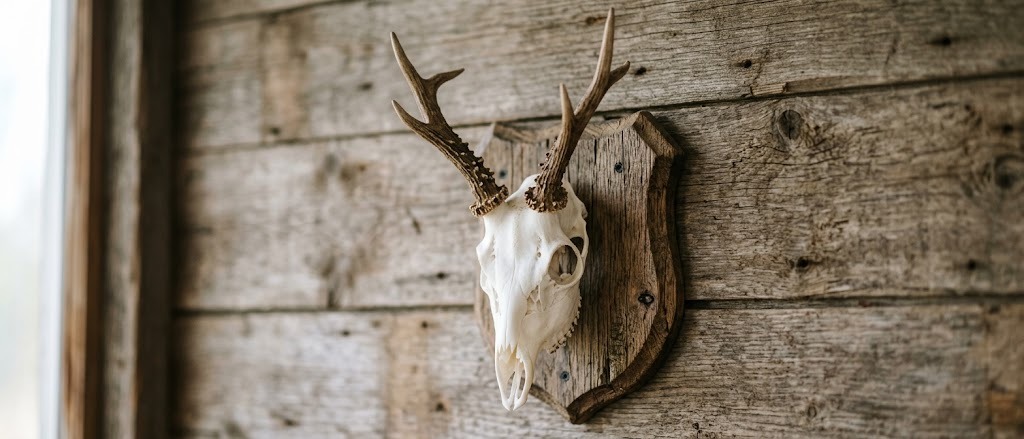
The clean, sculptural way to keep a trophy - and a gateway craft.
The craftSimmer (never boil hard), clean, degrease for days, then whiten with peroxide - the patient version of the process in our trophy care guide. Painted, hydro-dipped or left natural, a euro mount is the most achievable DIY trophy there is.
Worth knowingFull walkthrough lives in the trophy care guide - this card is here because a skull on the wall usually starts someone down the whole make-something path.
People make: Euro mounts, painted skull art, pedestal displays.
Trophy care & euro mount guide →