The venison cut chart
A deer breaks down into a handful of cuts, and matching each to the right cooking method is the whole game: the tender cuts want hot and fast, the working muscles want low and slow, and getting it backwards is why some people think venison is tough. Tap a part of the deer, or a cut below, to see how to treat it.
On doneness: the rare and medium-rare advice on this page is a cook's choice, not the official line. The FDA's chart gives 145°F (63°C) with a three-minute rest for whole cuts of beef, pork, veal and lamb, and 160°F for ground meat, and the CDC recommends at least 165°F (74°C) for wild game meat. Do not serve venison pink to young children, pregnant guests or anyone with a weak immune system.
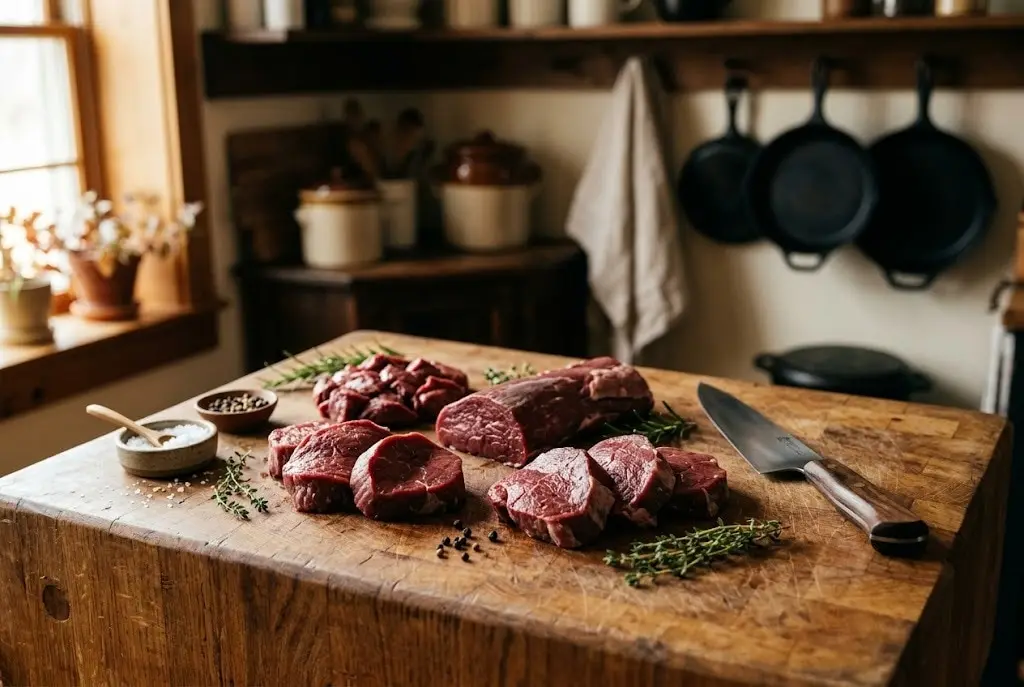
Tap a shaded area, or a cut below.
Cut-by-cut cooking guides
The chart shows where each cut lives; these 10 full guides show what to DO with it - breaking it down, the cooking method it wants, recipes that fit and the mistakes that ruin it.
The prime cuts Hot & fast to medium-rare - backstrap, tenderloin and the round's best.
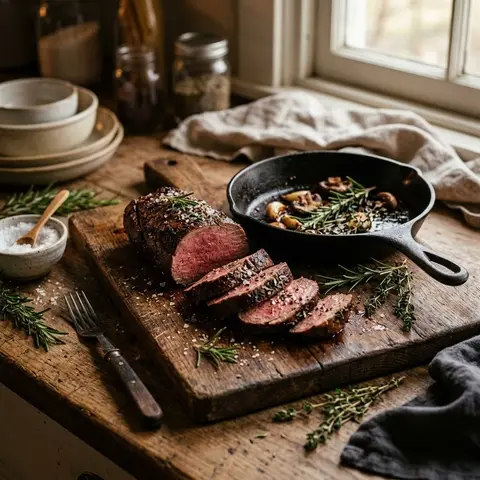
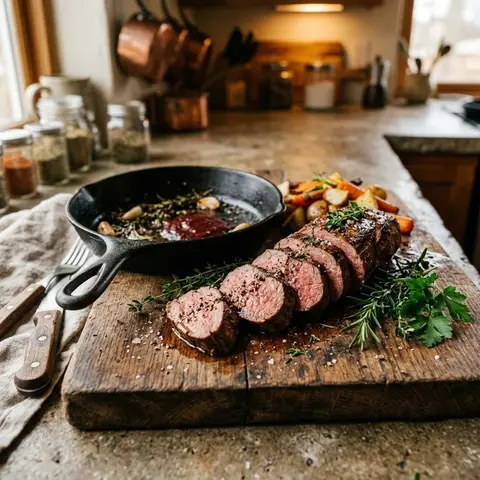
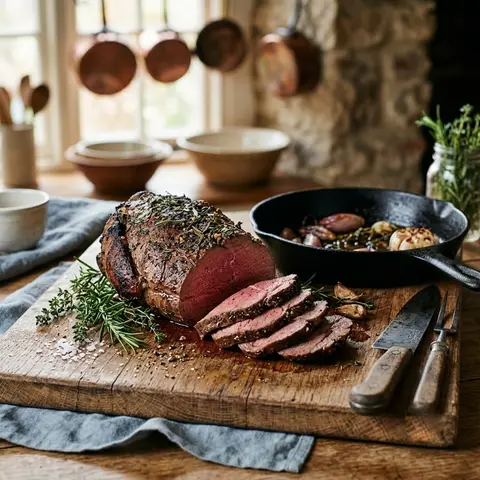
The working cuts Low & slow until they surrender - shoulder, neck and shanks.
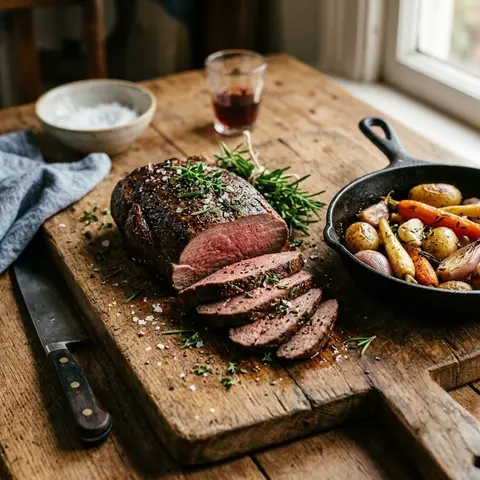
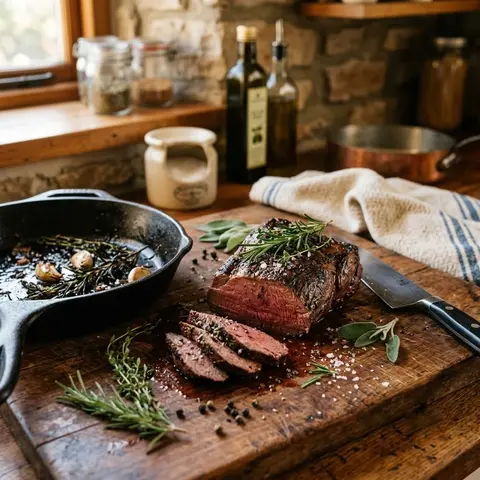
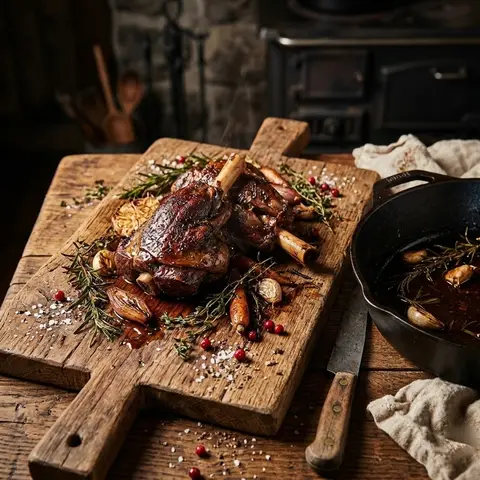
Projects & whole-animal Ribs, grind, offal and stock - the rest of the animal, none of it wasted.
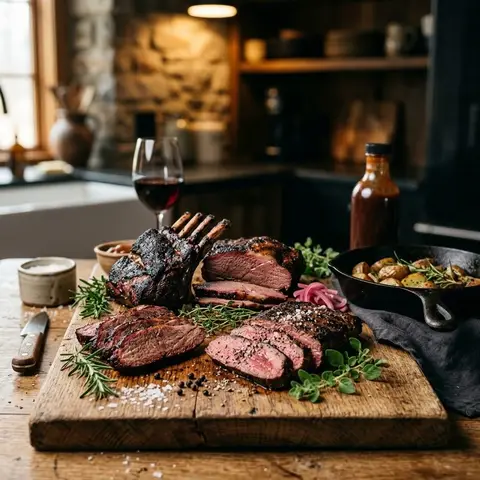
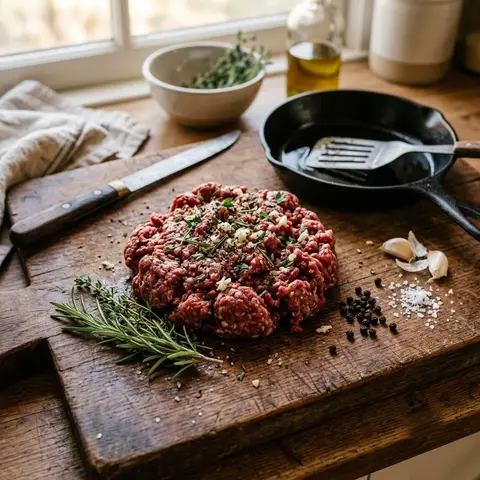
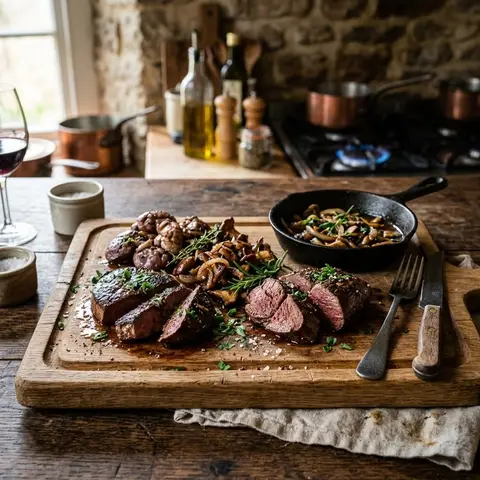
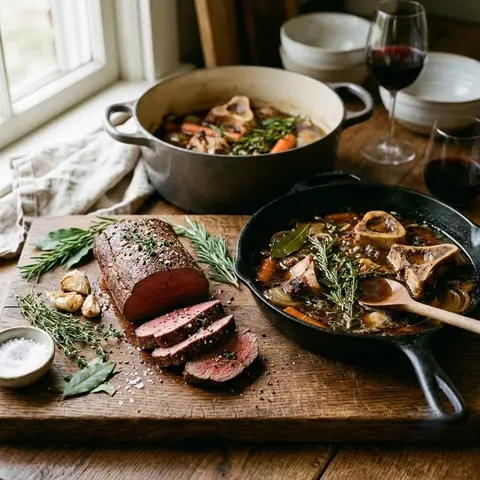
Cutting up your first deer? Walk the whole process from the field on the shot to freezer guide, estimate how much you will get with the meat yield calculator, and keep track of it all with the freezer inventory.
Butchering gear
Links go to Amazon or a partner store (such as OpticsPlanet) and may earn us a commission at no extra cost to you. As an Amazon Associate we earn from qualifying purchases. We link gear types, not sponsors' picks: you choose the exact product.