Trapping & furbearers
Trapping is one of the oldest ways people have worked the land - a craft of reading sign, understanding animals, and setting cleanly and legally. Pick a furbearer below to see what it gives you, the sets and gear it takes, the season, and how it is caught. But start with the part that matters most: trapping only ever works when it is done legally, humanely and responsibly.
Read this before you set a single trap
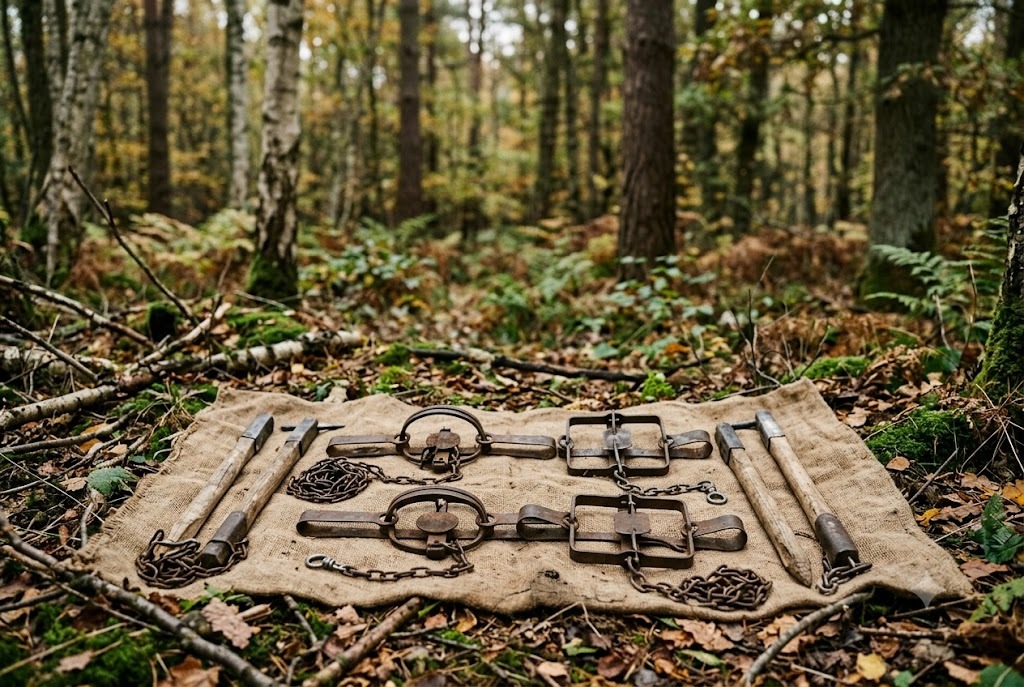
Trapping is heavily regulated and carries a real duty of care: the right licence and tags, legal trap types and sets, daily checks, humane dispatch, and avoiding non-target catches like pets. Rules vary hugely by place and change often - and getting them right is what keeps trapping ethical and legal.
Trapping ethics & the law →💧 Water & Wetland
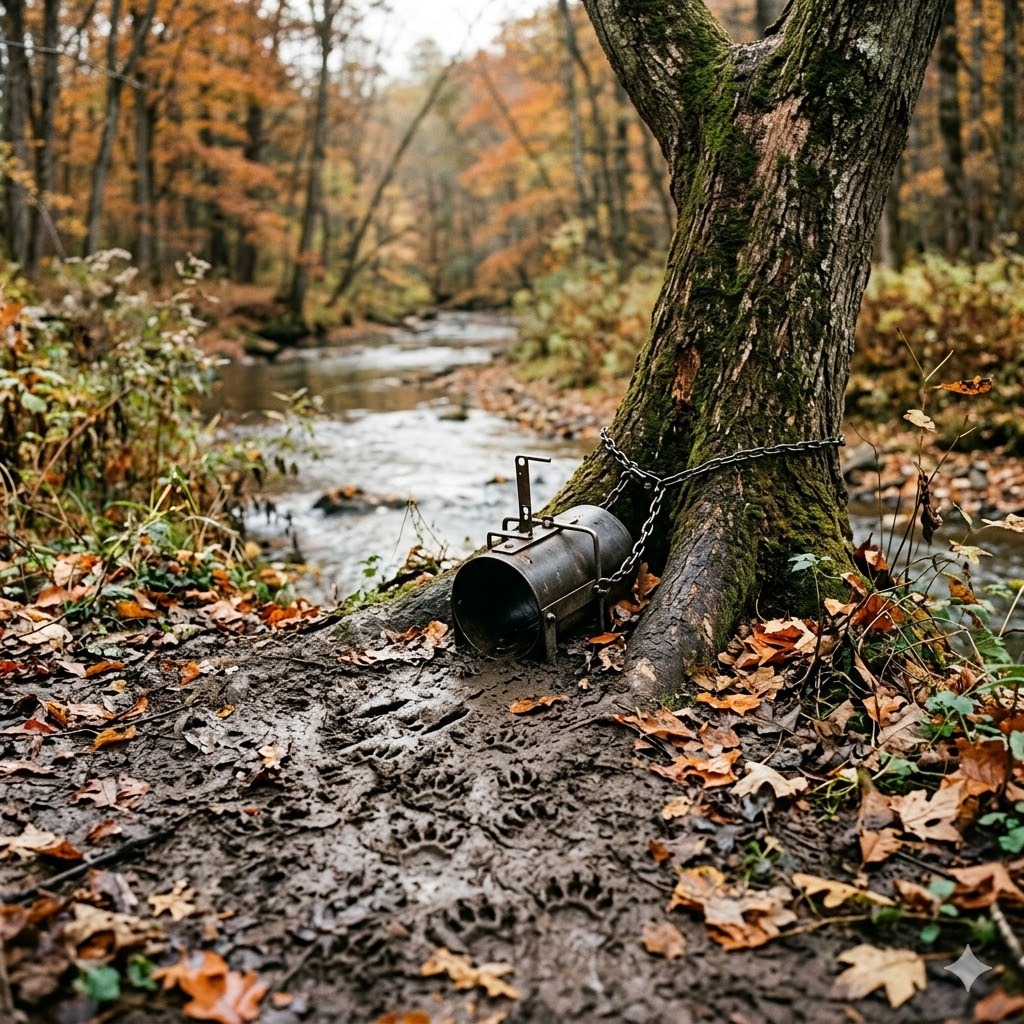
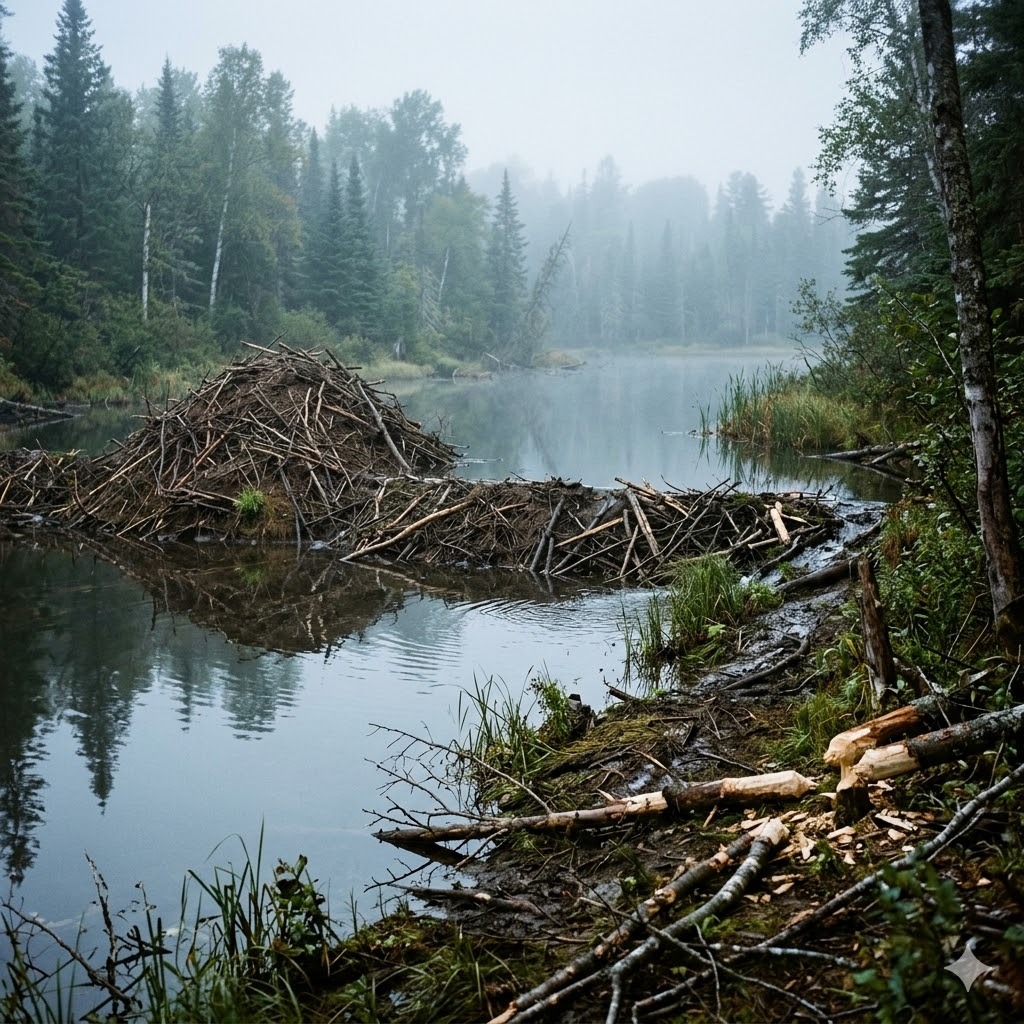
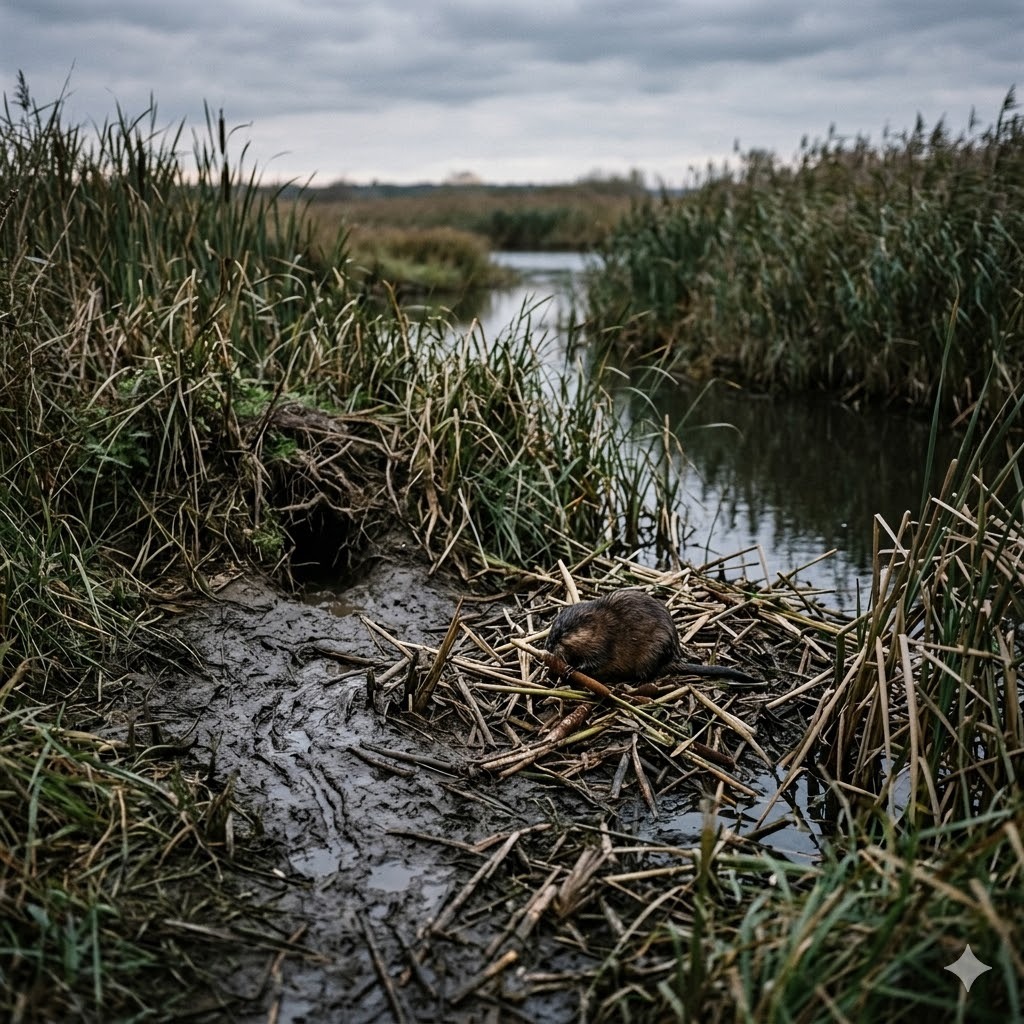
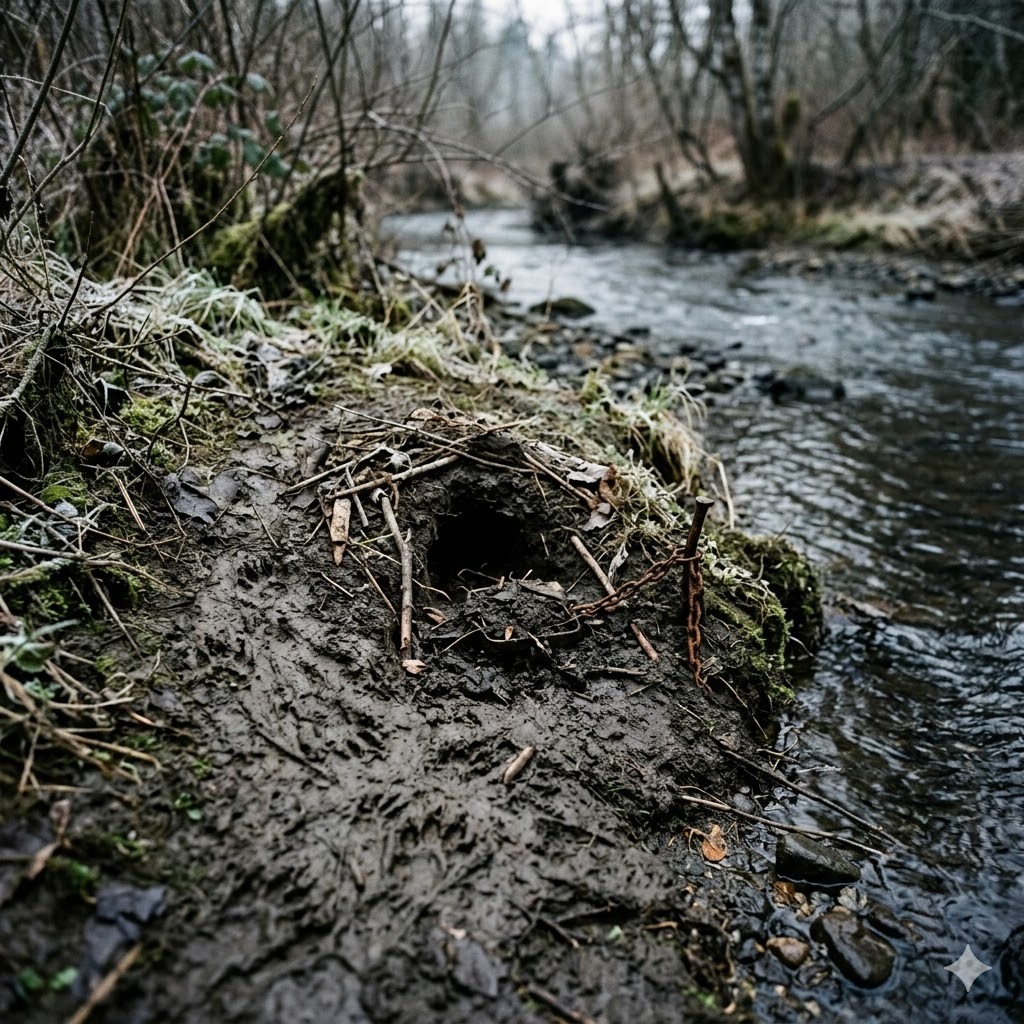
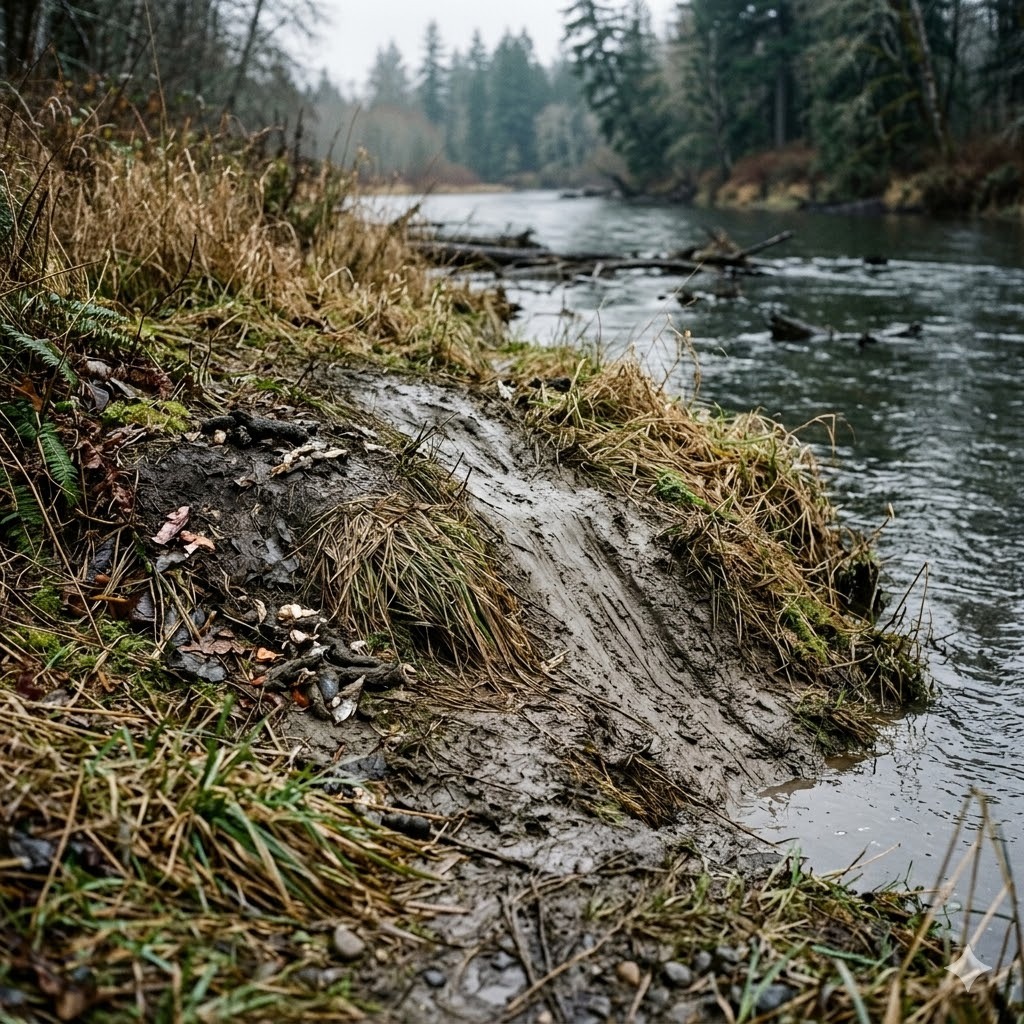
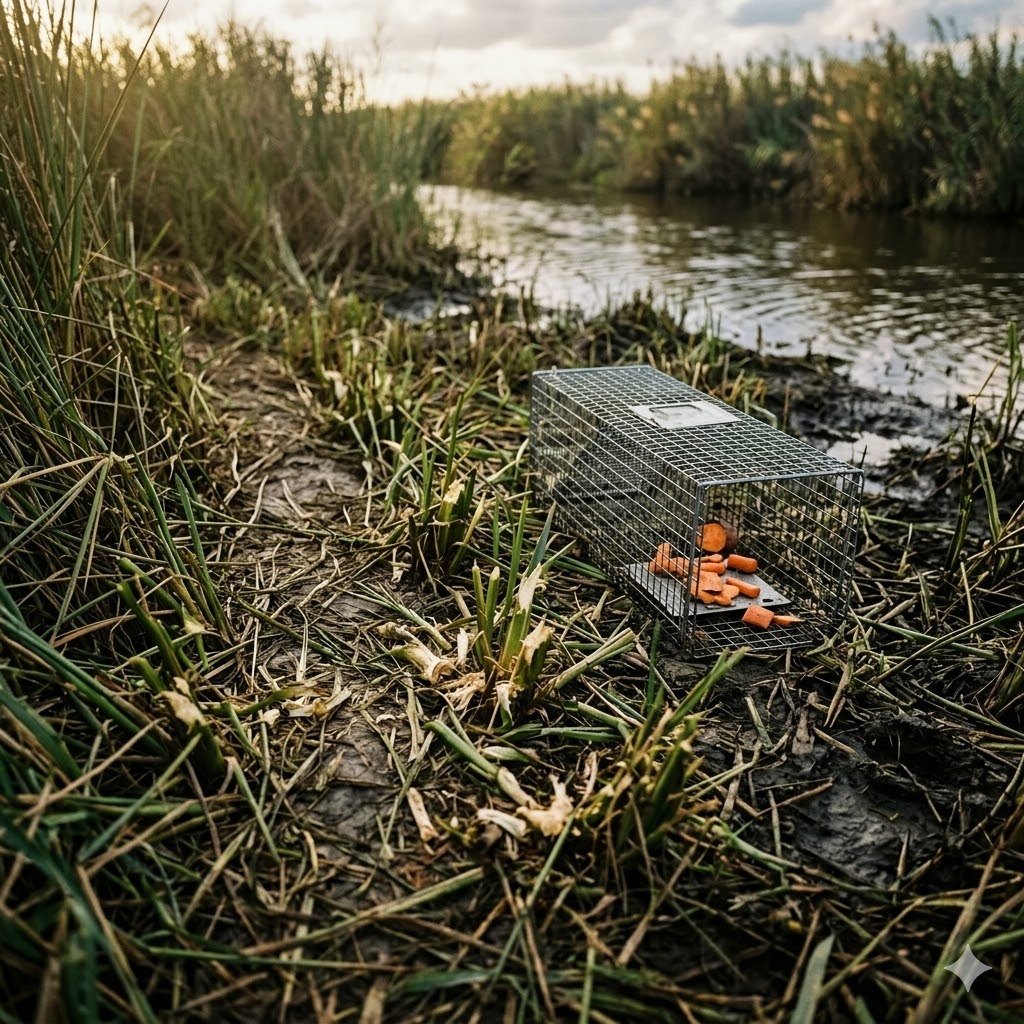
Beaver, muskrat, mink, otter and nutria - trapped along the water's edge with foothold and body-grip sets.
🦊 Foxes, Coyotes & Cats
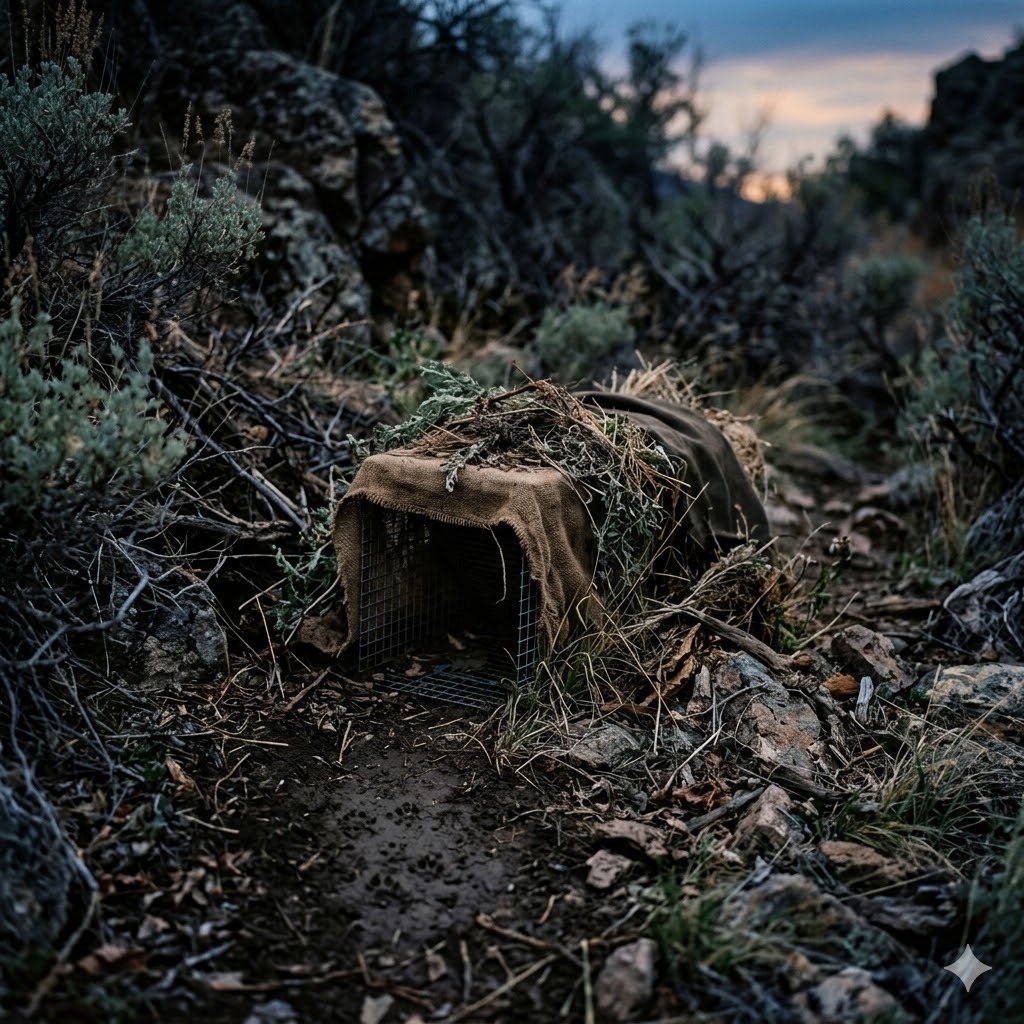
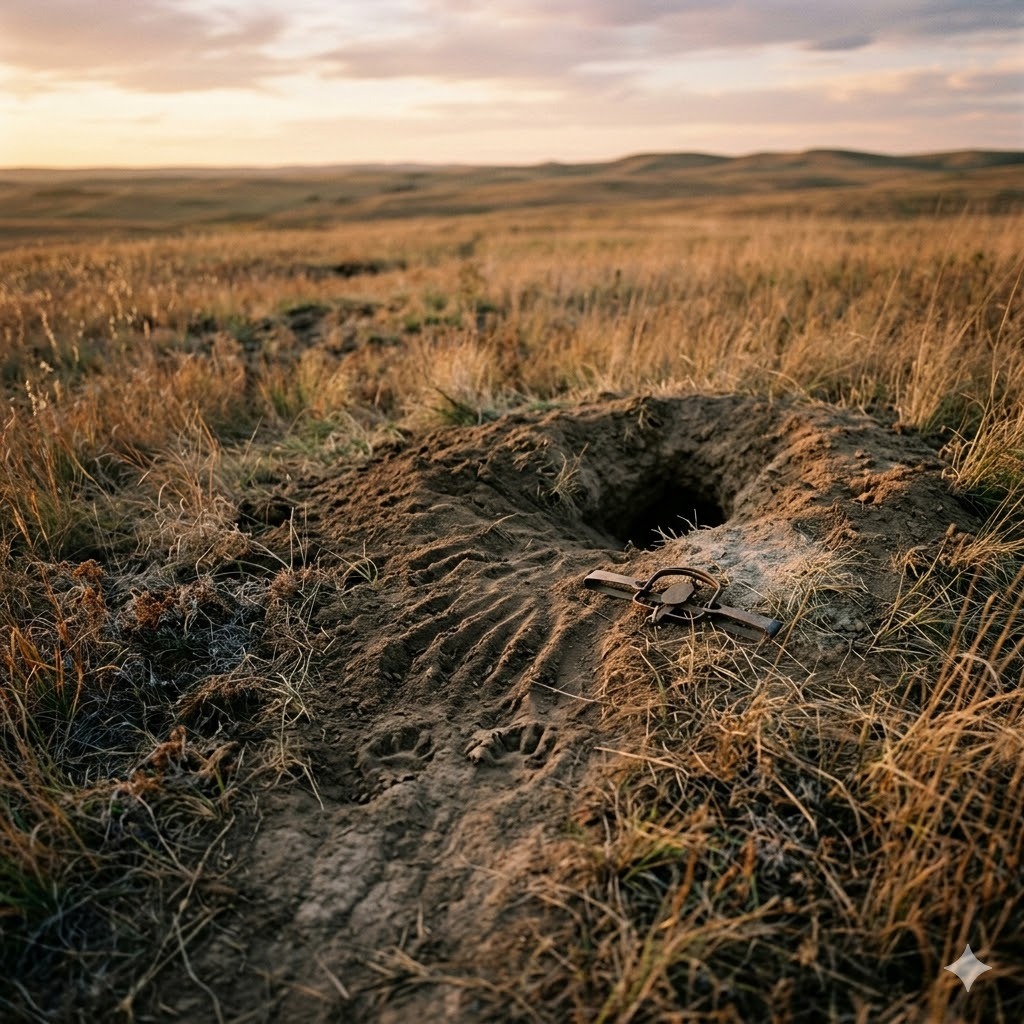
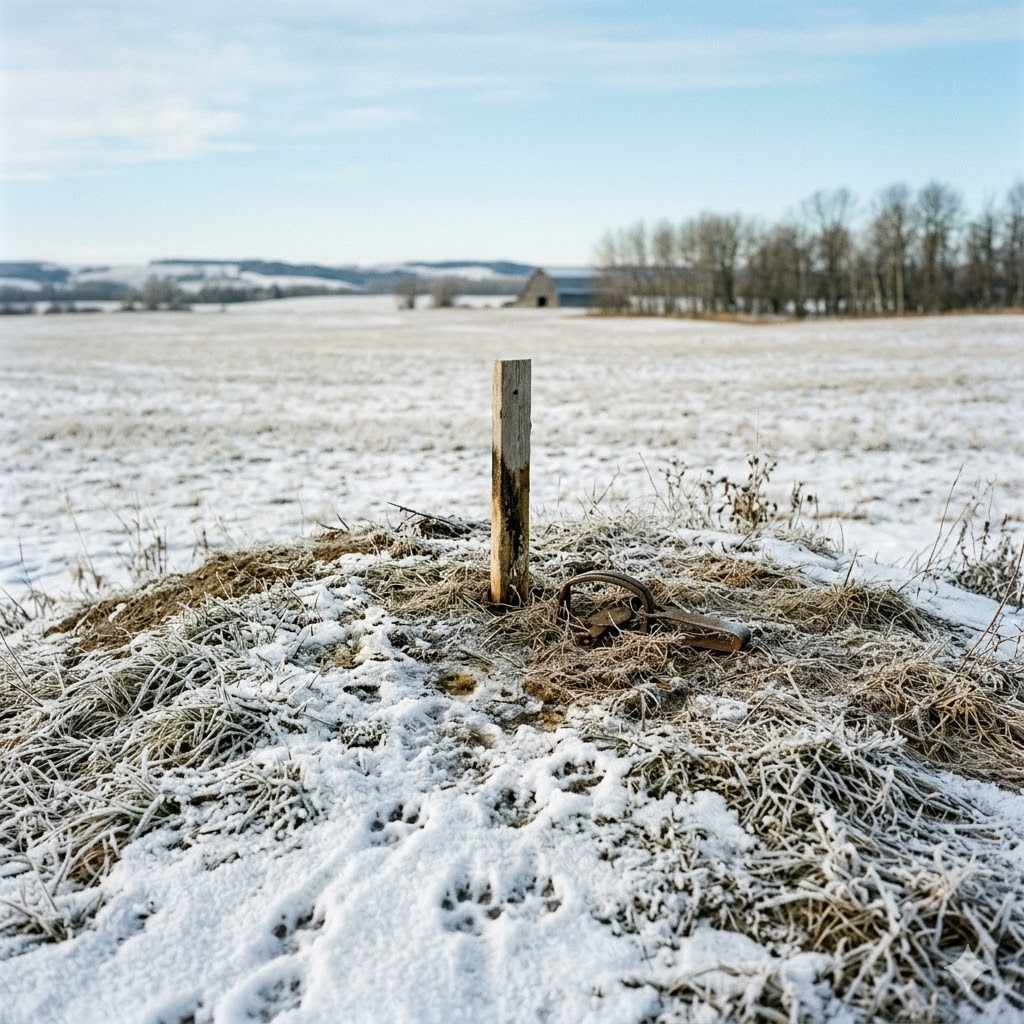
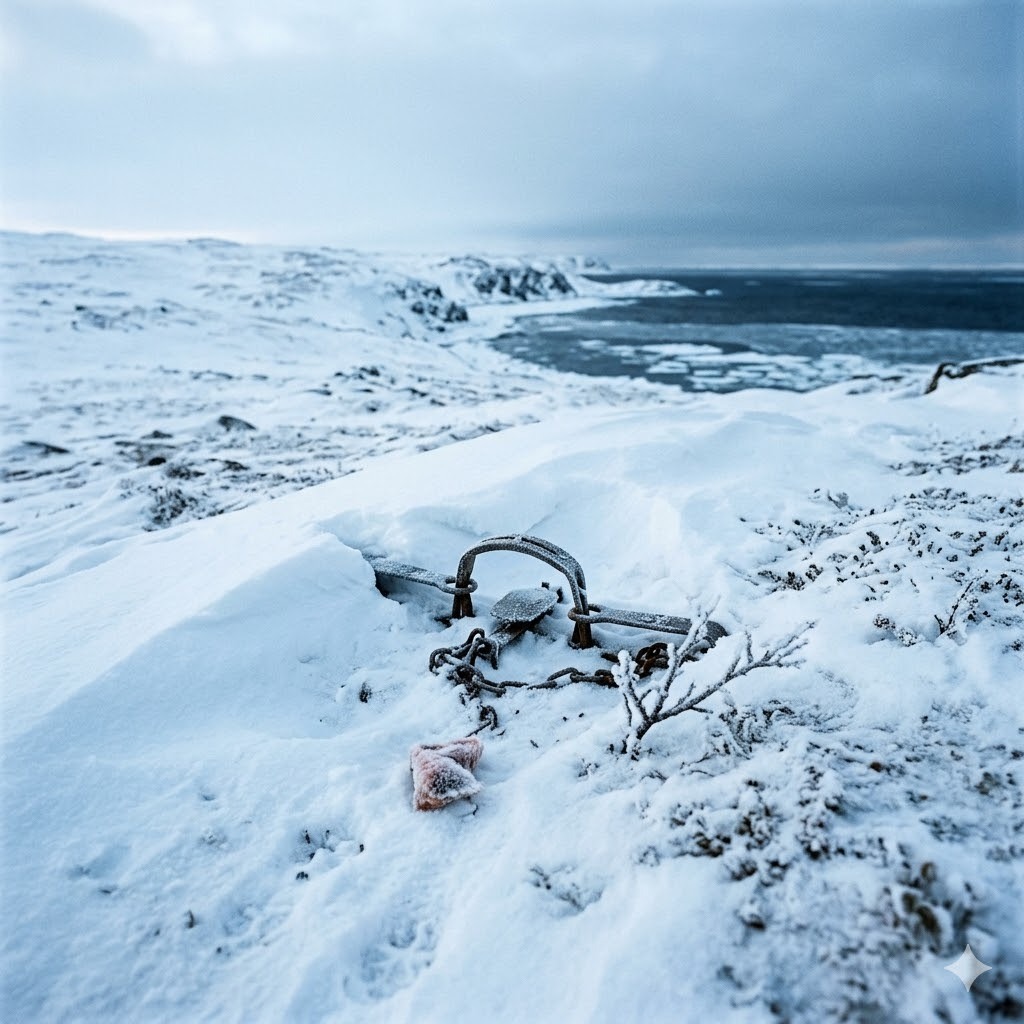
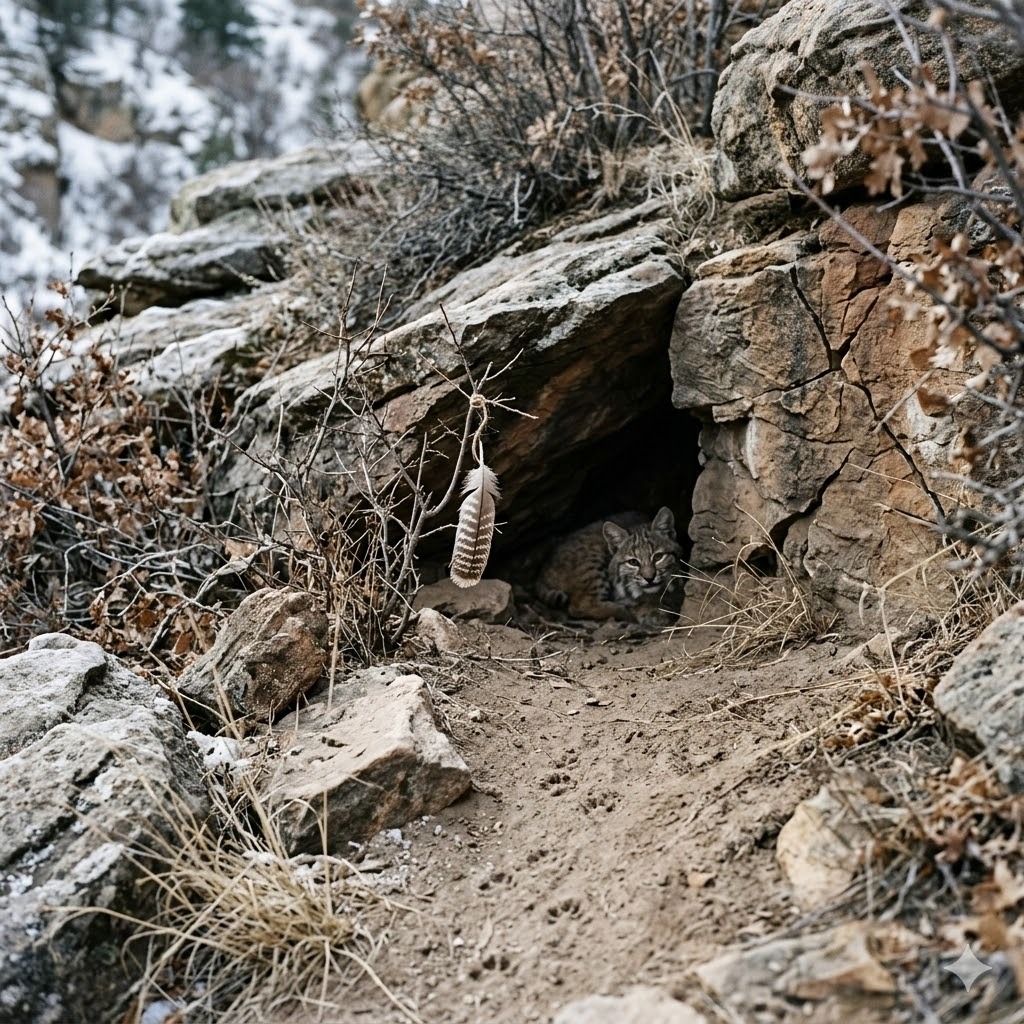
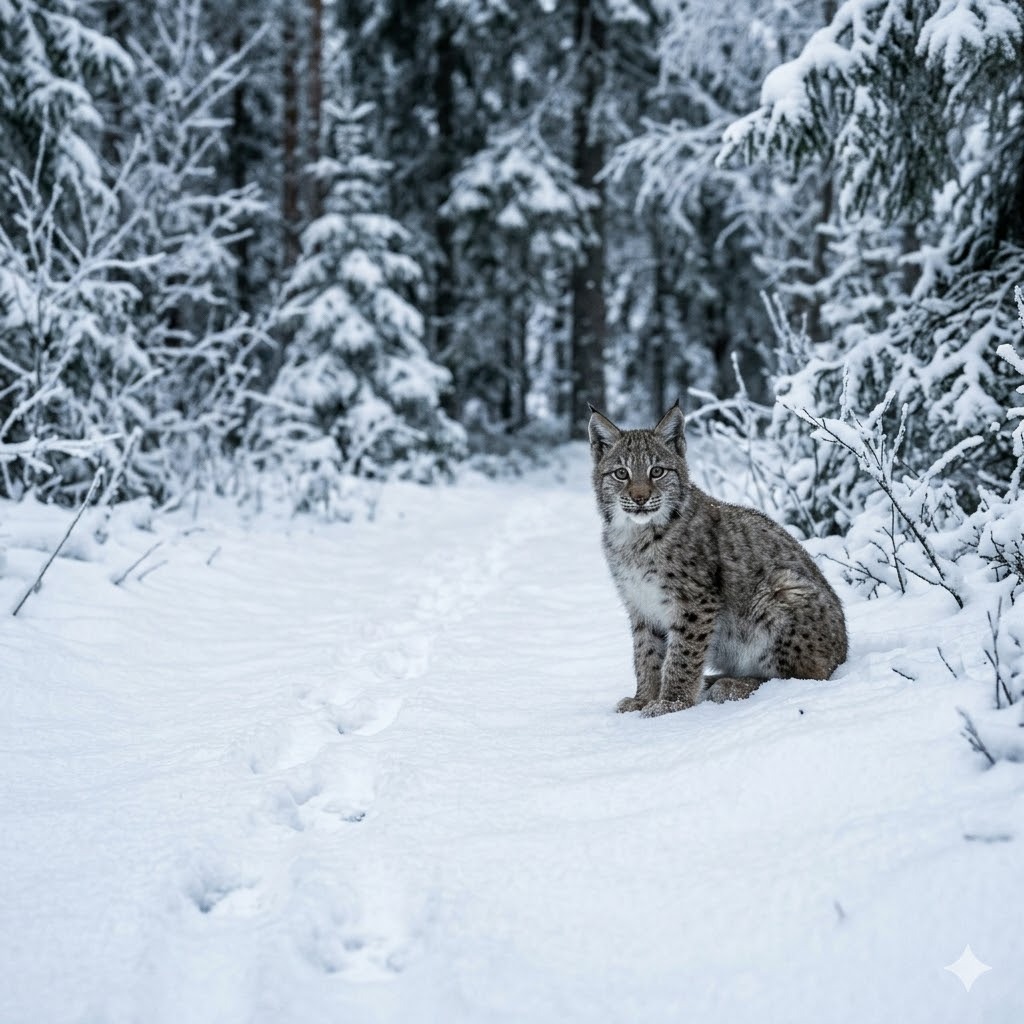
Coyote, fox, bobcat and lynx - the wariest quarry, taken with dirt-hole and cubby sets and hard-won craft.
Open the full Foxes, Coyotes & Cats page →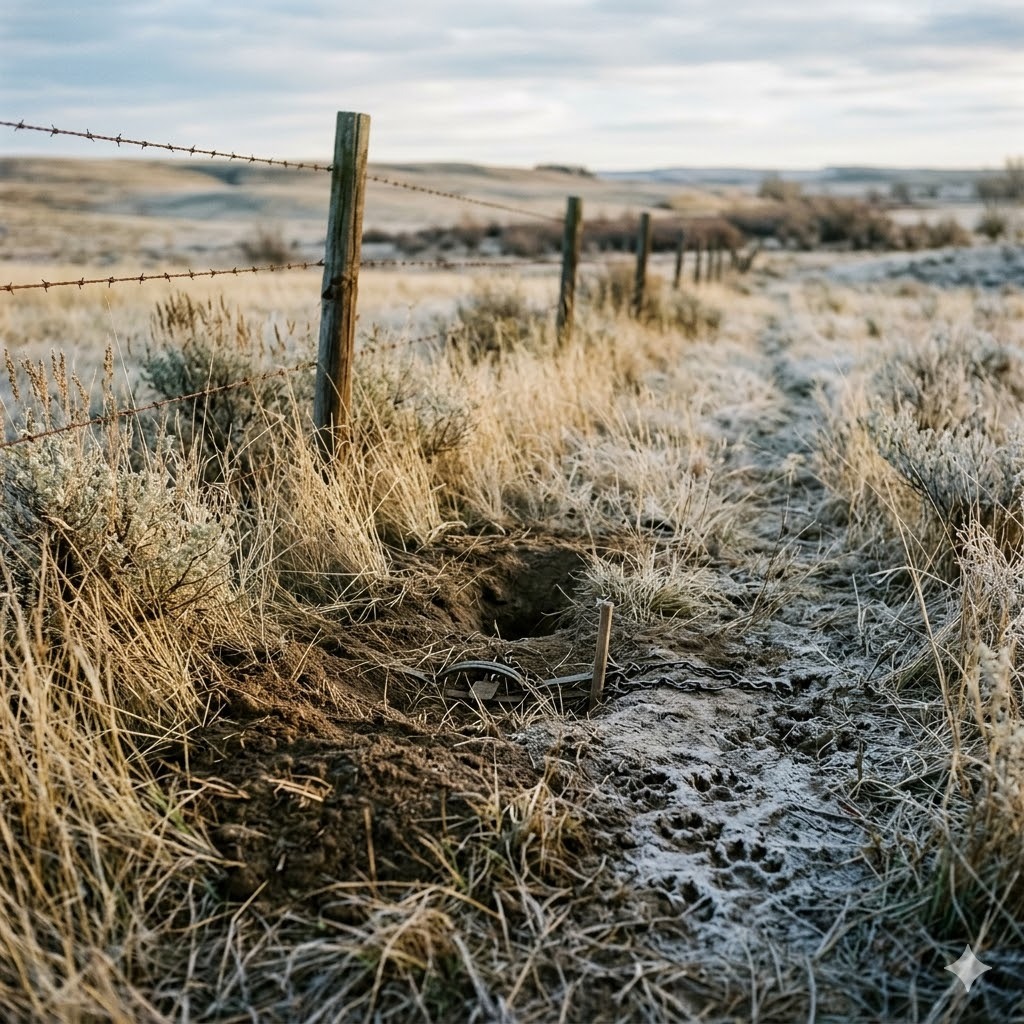
🌲 Woodland & Mustelids
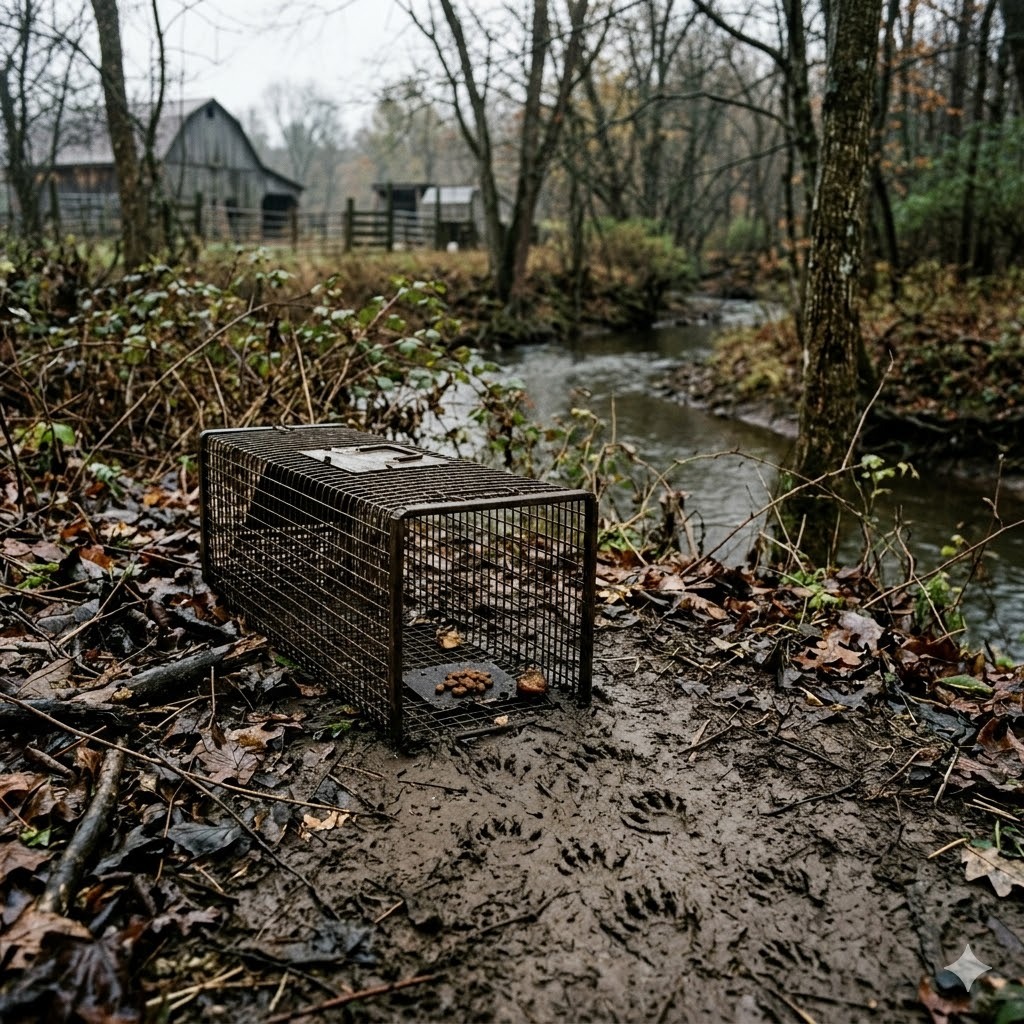
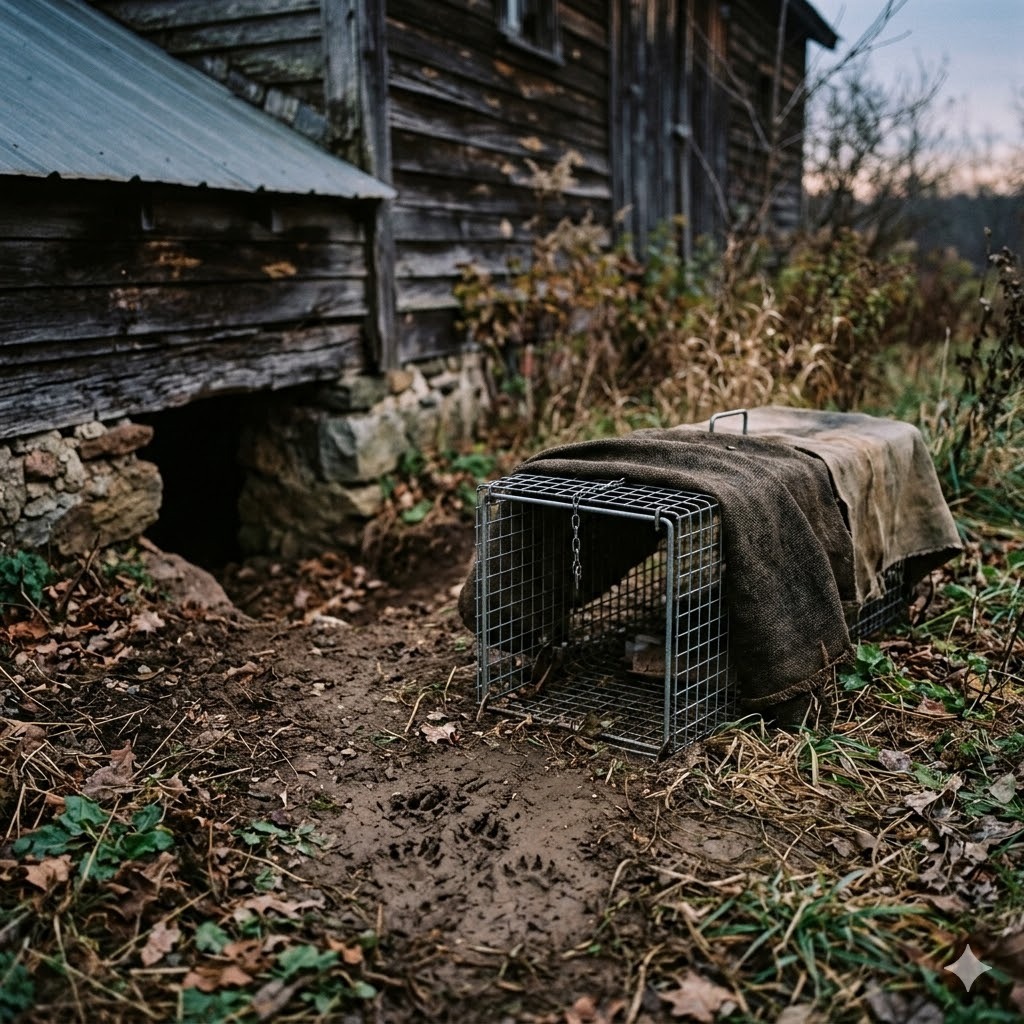
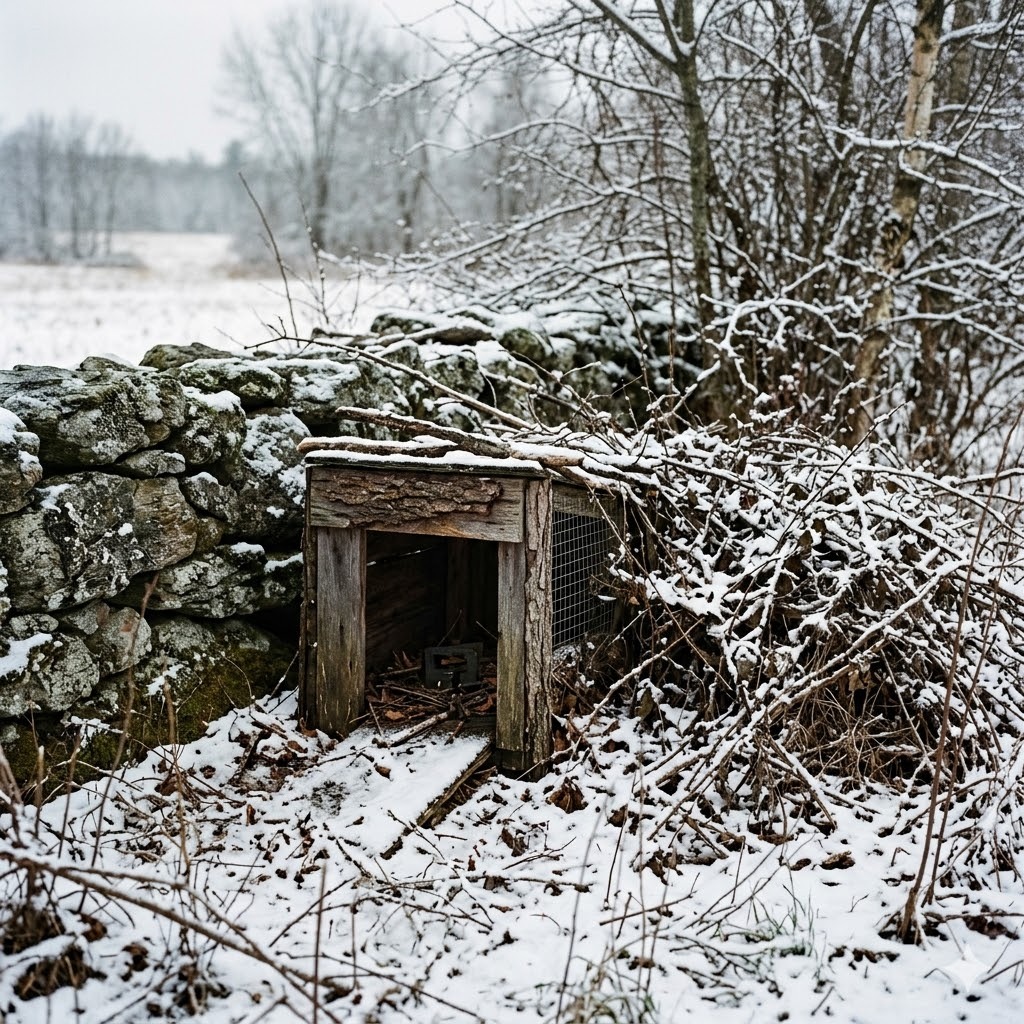
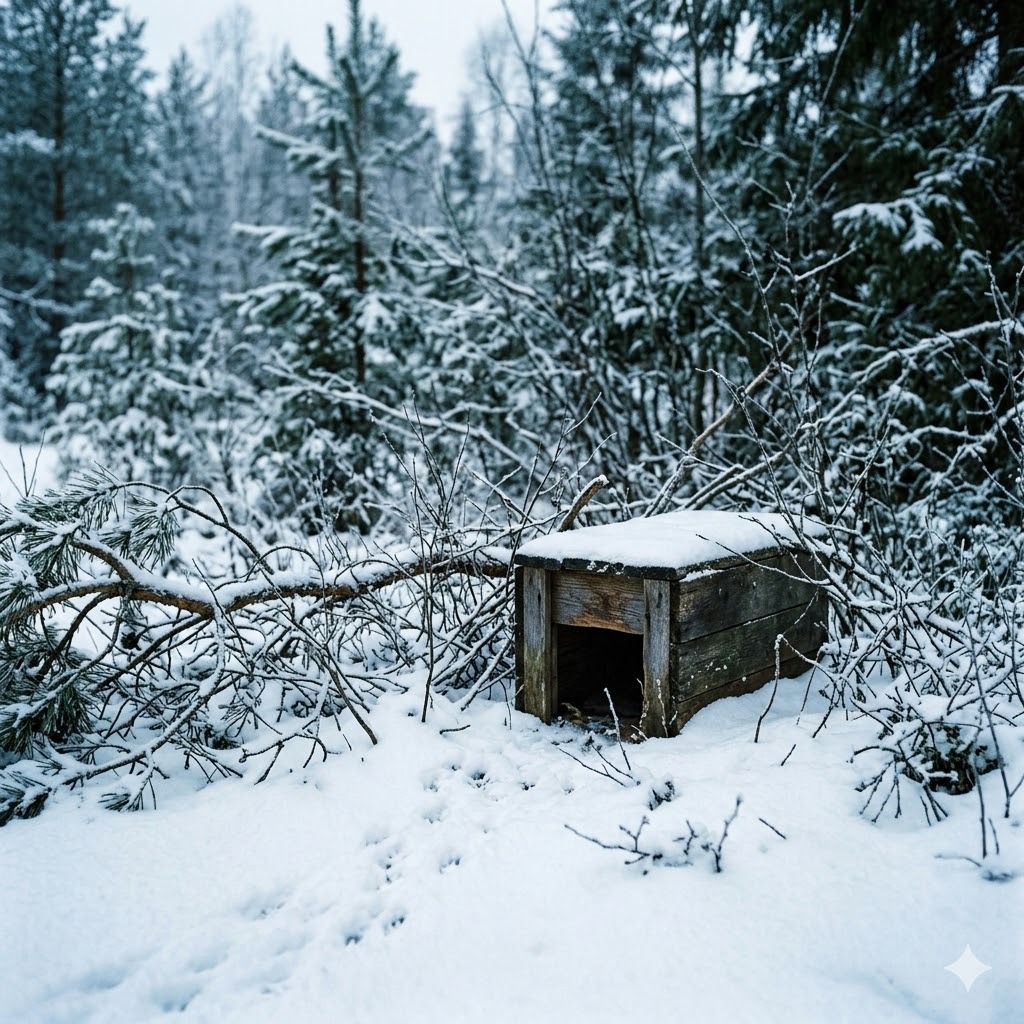
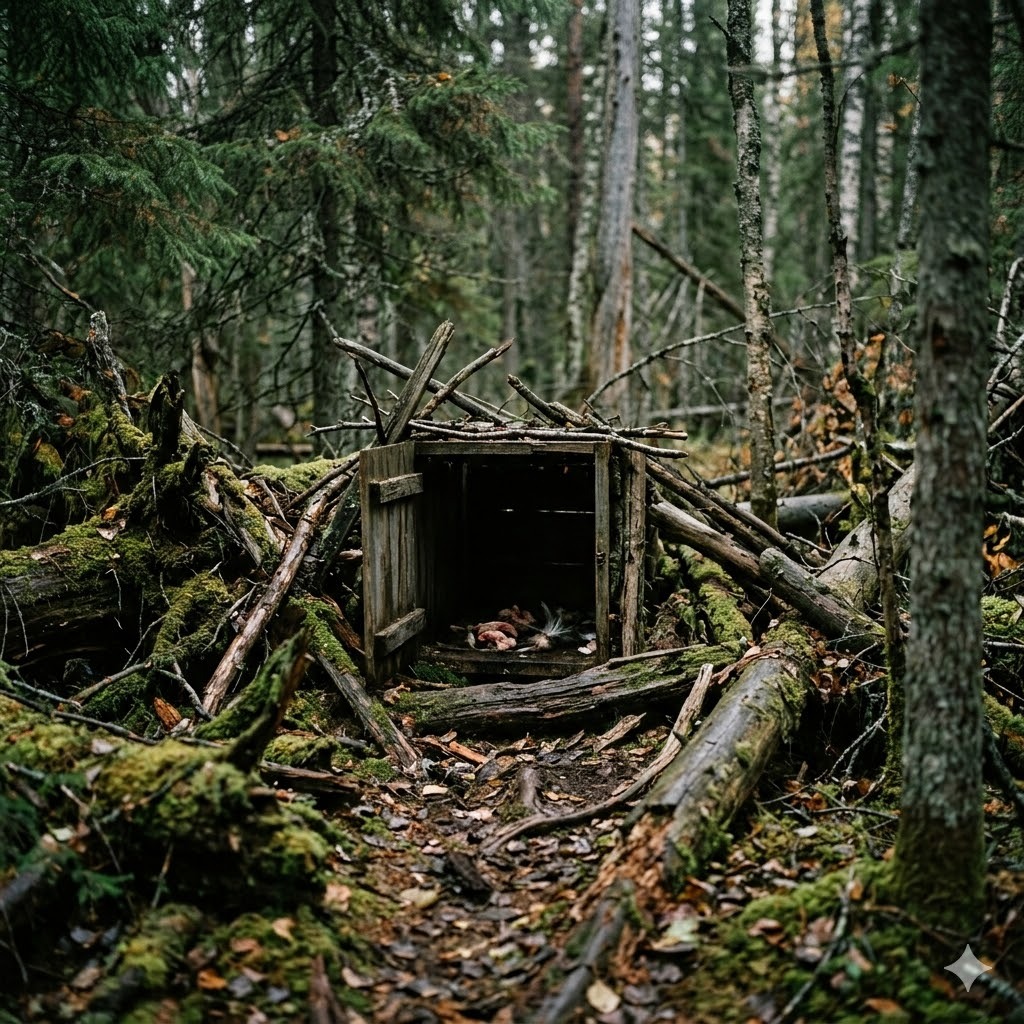
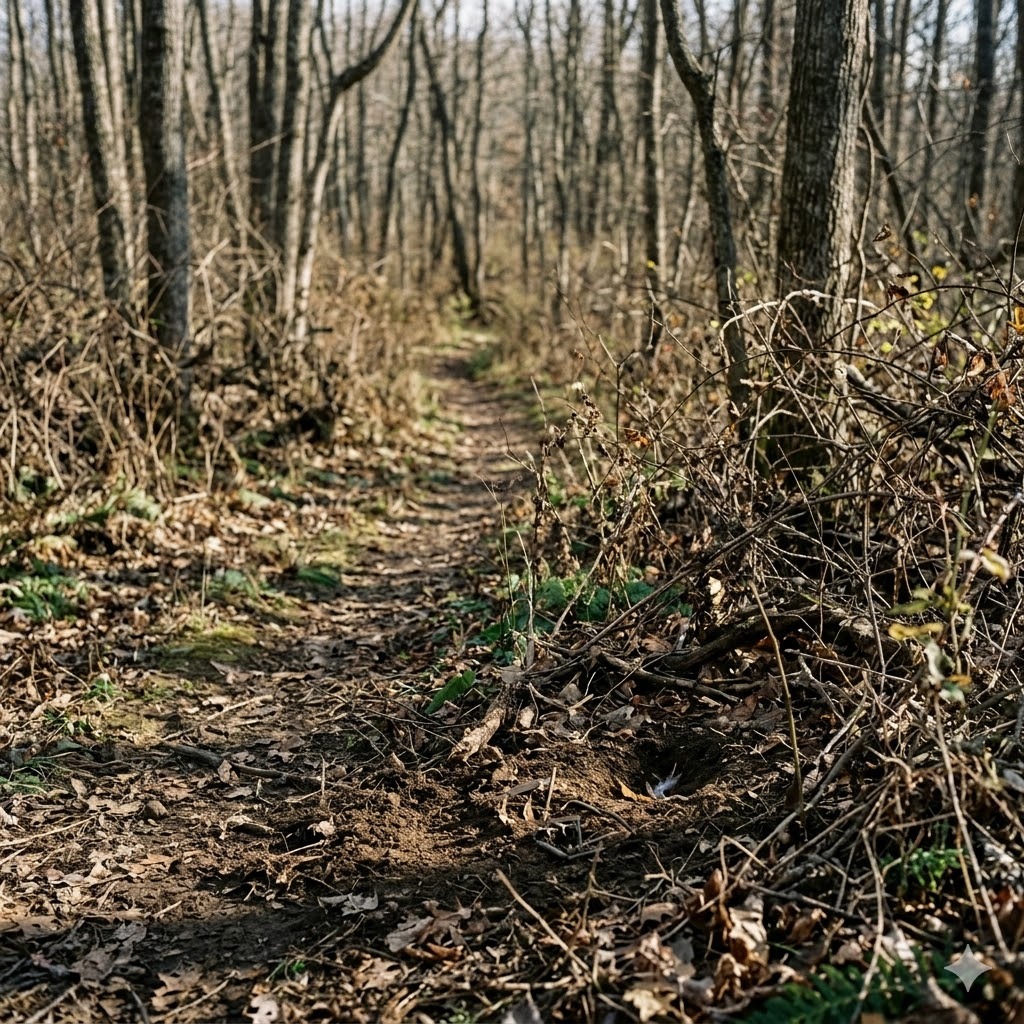
Raccoon, skunk, weasel, fisher, marten and more - the varied fur of the forest, farm and rocky country.
Open the full Woodland & Mustelids page →