Get there, and get back out.
The best hunting is often the hardest to reach - miles from the trailhead, high and steep. Two things get you there and back with meat on your frame: a body that's ready for the work, and a rig and kit that don't let you down. Here's how to prepare both.
Get fit for the mountain
Backcountry hunting is an endurance sport. Weeks out, start walking hills with a loaded pack, add stairs and squats for the climbs, and don't neglect your core - it carries the load.
Ruck. Put 15-20 kg in your pack and walk real terrain, building distance and grade. Your body needs to know what a loaded descent feels like before it's carrying an animal out.
Break in your boots long before the hunt and dial your sock system - a blister ends a trip faster than fitness ever will. Trim toenails, tape hot spots early.
Practise eating and drinking on the move, and if you're heading high, arrive a day or two early to adjust. Dehydration and altitude wreck strong legs fast.
Kit out the rig
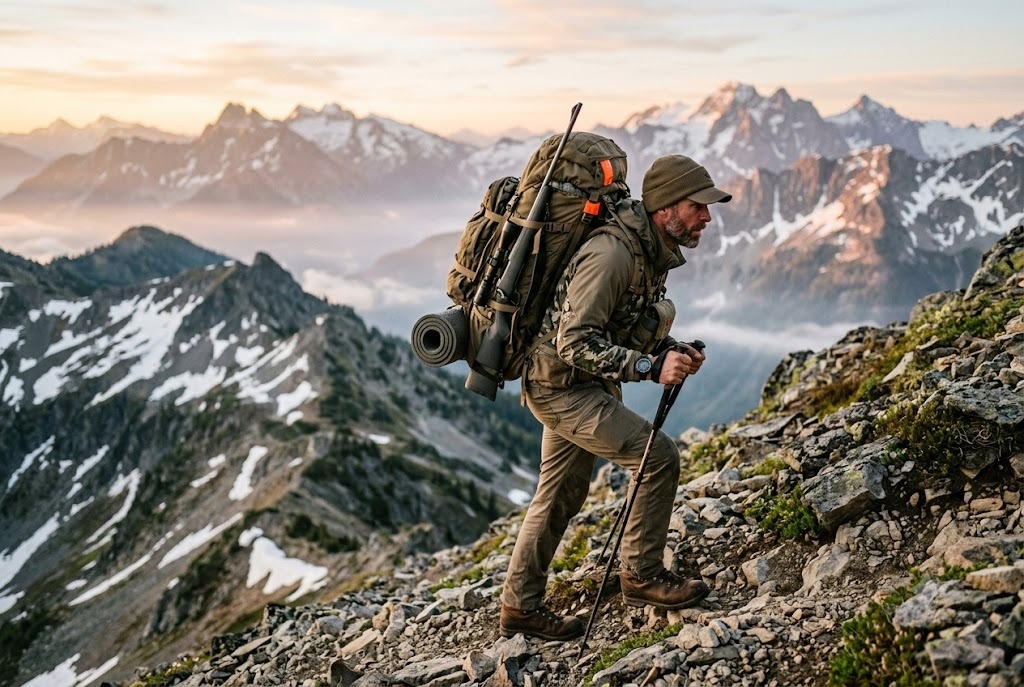
A proper hunting pack with a load-hauling frame is the one thing you can't cheap out on - it has to carry camp in, and an animal out, without wrecking your back. Fit it to your torso.
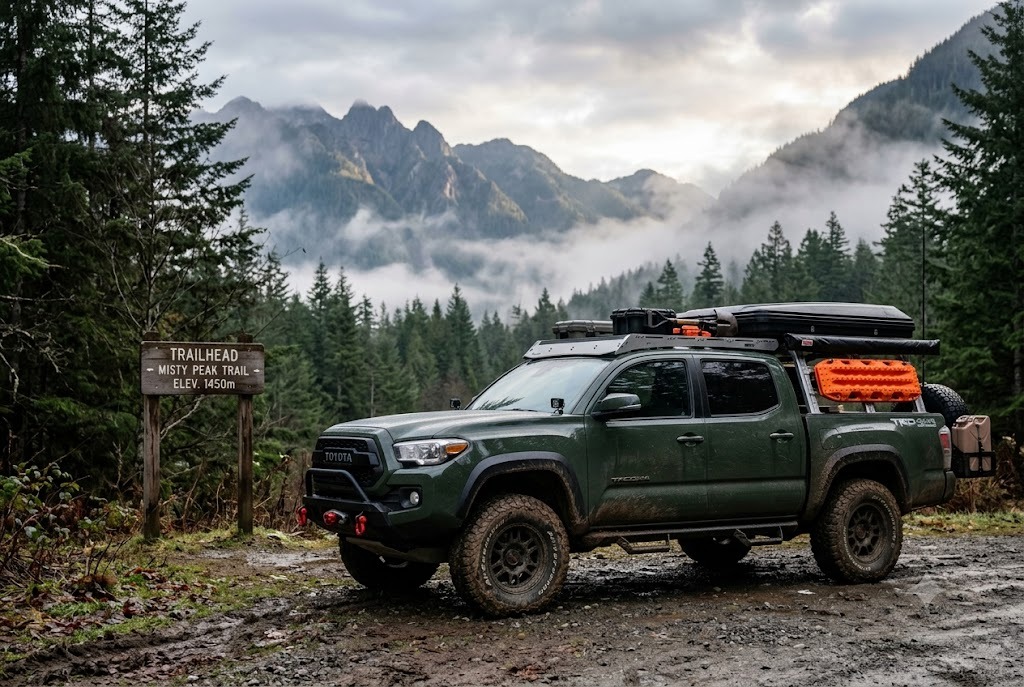
Reliable tyres, real recovery gear (traction boards, a strap, a way to air down and back up), and simple, secure storage beat a roof full of gadgets. Get to the trailhead and back, every time.
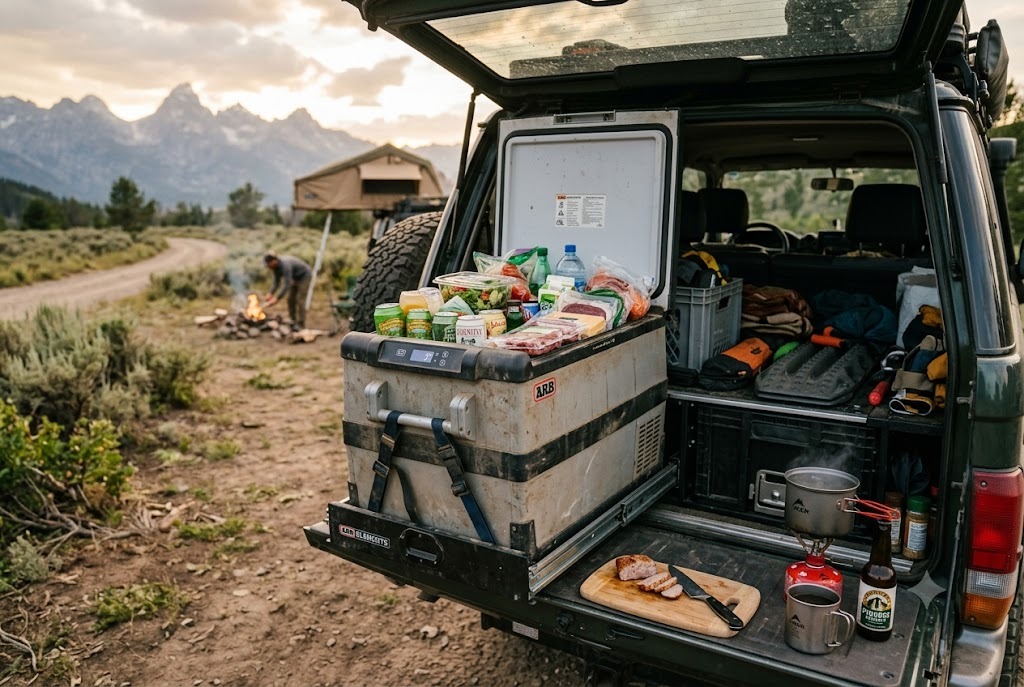
A 12V fridge-freezer turns a multi-day hunt from a race against spoilage into a relaxed trip - and it keeps meat safe in warm weather, which is the whole point of the effort.
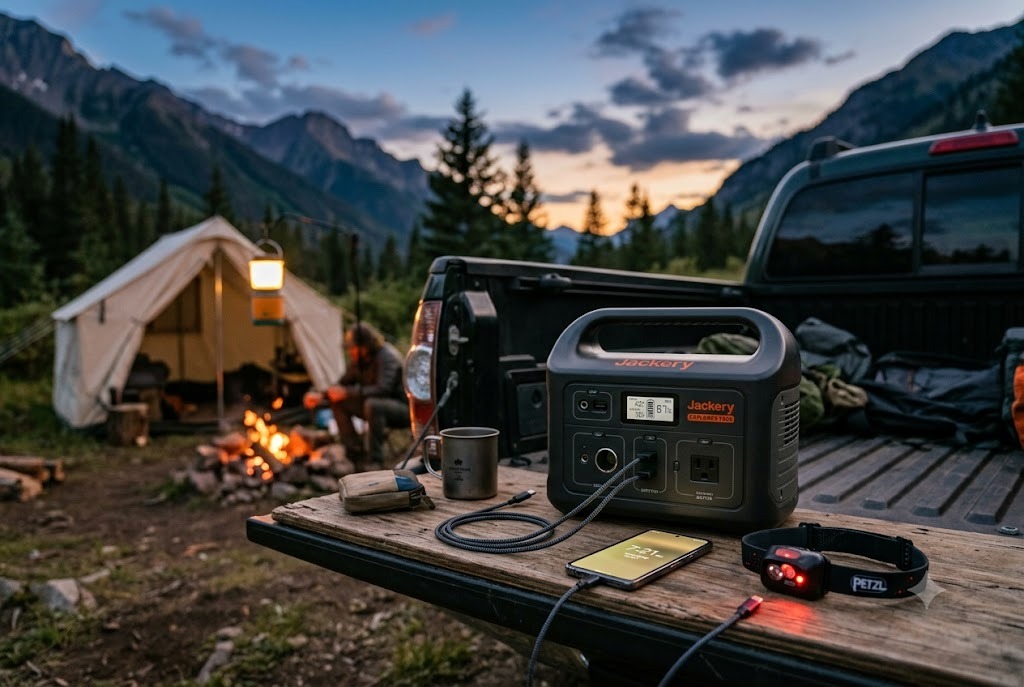
A dual-battery setup or a portable power station runs the fridge, charges optics and lights, and keeps a phone or GPS alive for days off-grid. Size it to what you actually run.
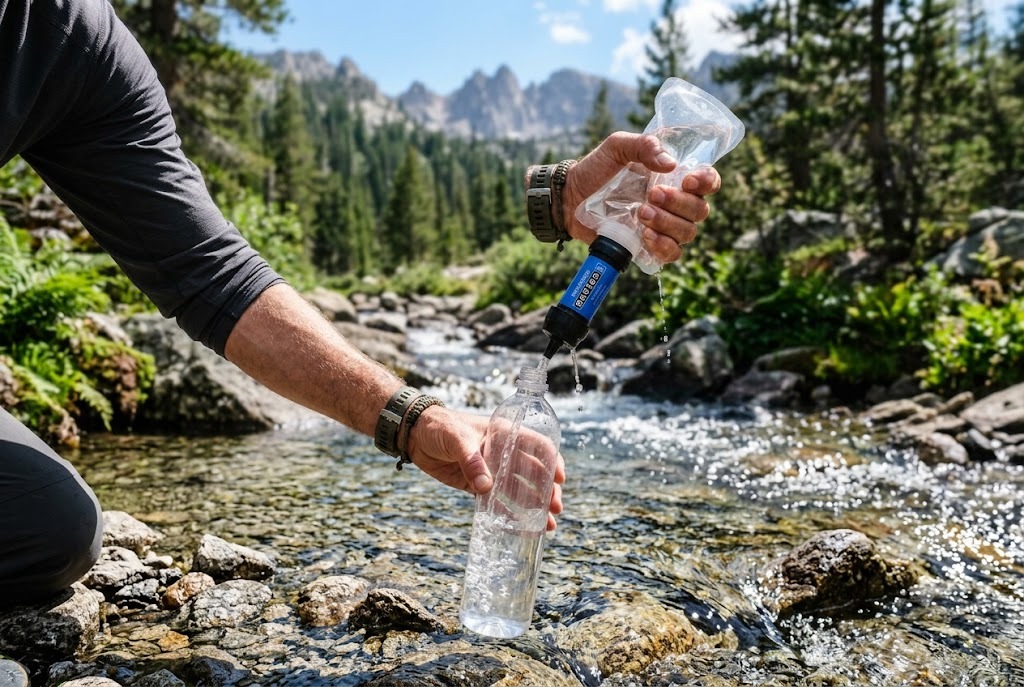
Carry more than you think, and bring a way to make more - a squeeze or pump filter from a creek weighs nothing next to hauling every litre in. Never drink untreated backcountry water.
Once you're in deep and it works out, handle the reward right: shot to freezer for the pack-out, preserving the meat, and trophy care if it's a mount.
⚠️ General guidance, not fitness, medical or off-road-safety advice. Backcountry travel carries real risk - injury, weather, altitude, getting stranded. Build fitness sensibly (check with a doctor if unsure), never travel or hunt alone in remote country without a plan and a way to call for help, and know how to use your recovery and navigation gear before you need it.