Ducks, geese & the grey dawn.
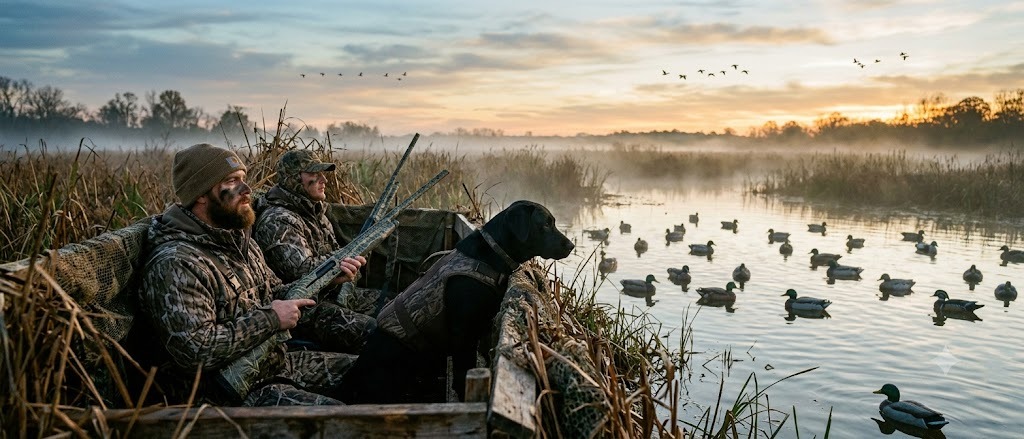
There's nothing quite like a marsh at first light - the whistle of wings, birds cupping into the decoys, a good dog trembling beside you. Waterfowling is equal parts scouting, concealment and reading the sky. Here's how it all comes together, and the birds you're after.
The quarry
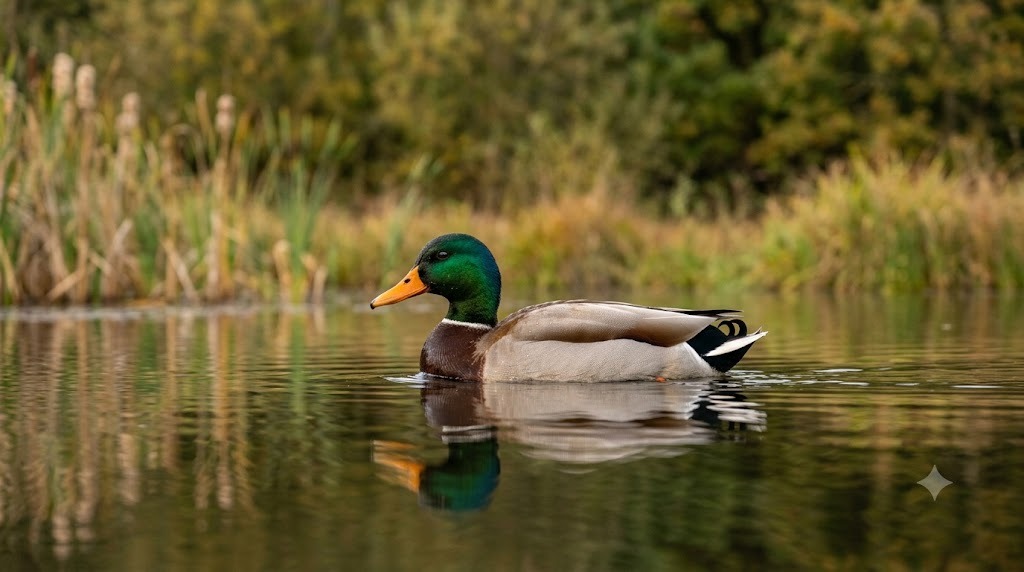 Mallard The mallard is the most abundant, widely distributed, and recognizable duck in North America, and for most waterfowlers it is the centerpiece of the duck-hunting tradition.
 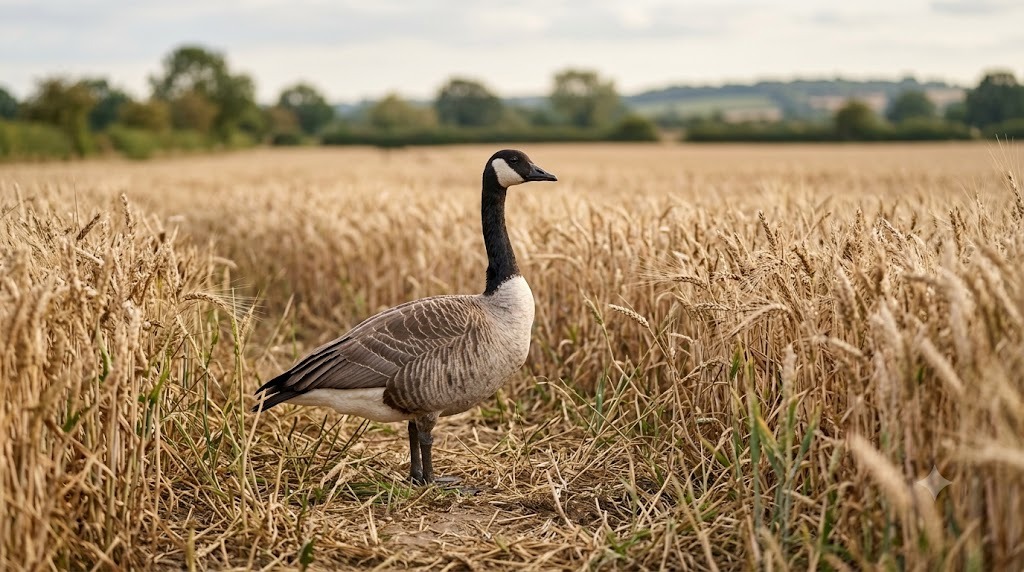 Canada Goose The Canada goose is North America's most familiar waterfowl - a big, vocal, intelligent bird that has become both a prized game species and, in many suburban areas, an abundant resident.
 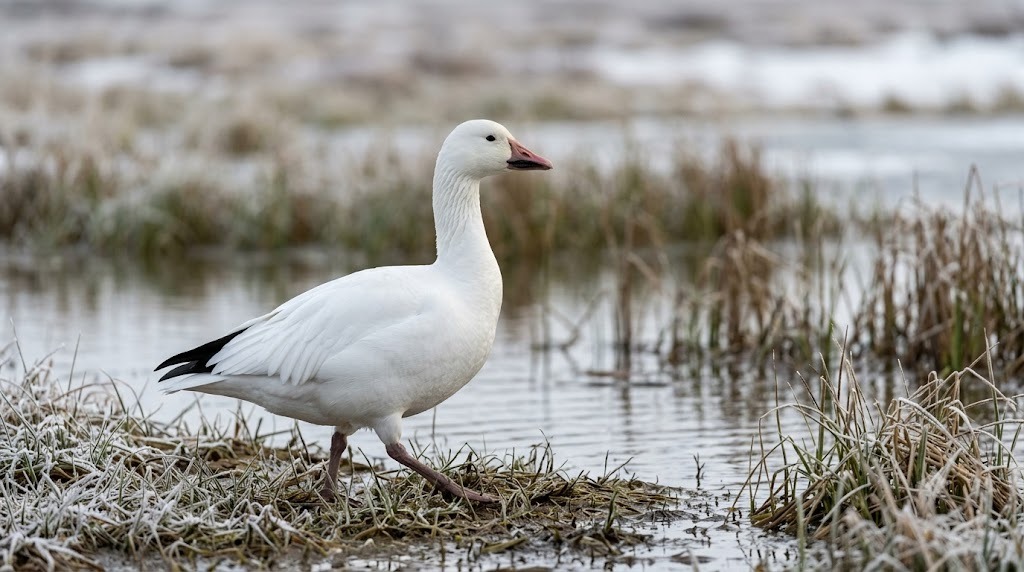 Snow Goose The snow goose is a mid-sized North American goose famous for two things: its dazzling white plumage and its sheer abundance.
 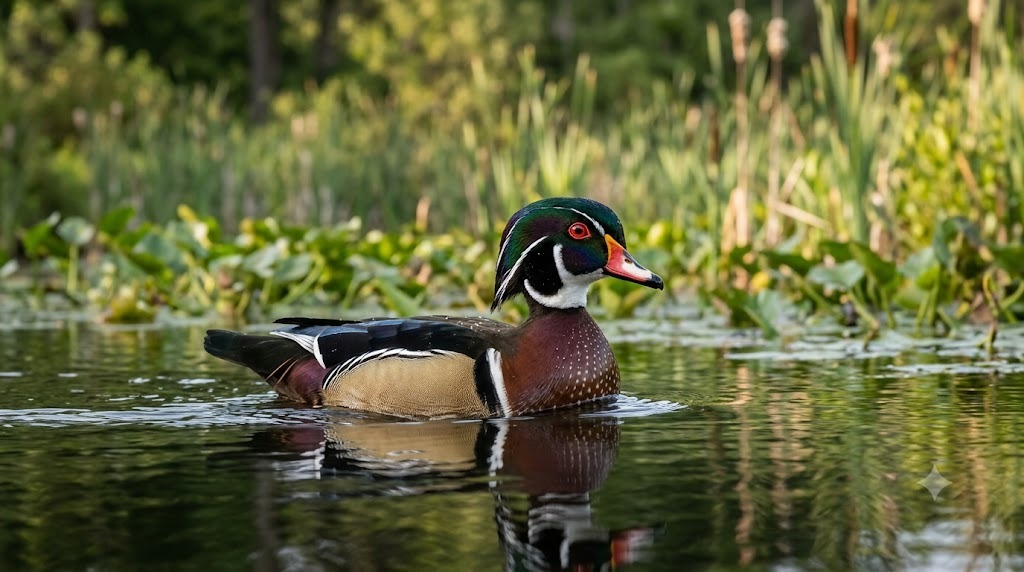 Wood Duck The wood duck is widely considered the most beautiful waterfowl species in North America, and for many hunters it is the bird that defines small-water, timber-and-creek duck hunting.
 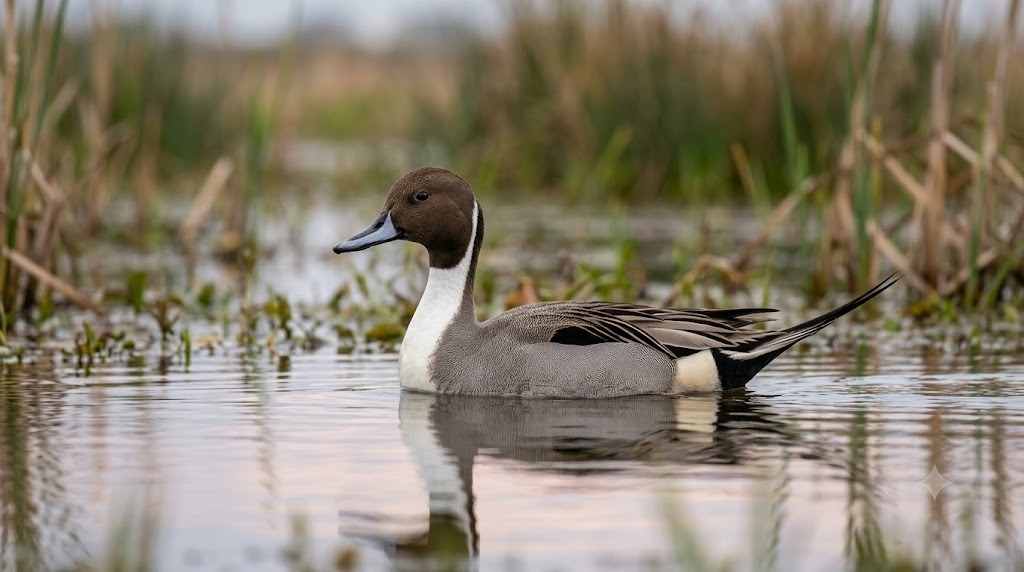 Northern Pintail The northern pintail is one of North America's most elegant ducks - a slender, long-necked dabbler the drake of which sports the namesake long, pointed tail feathers.
 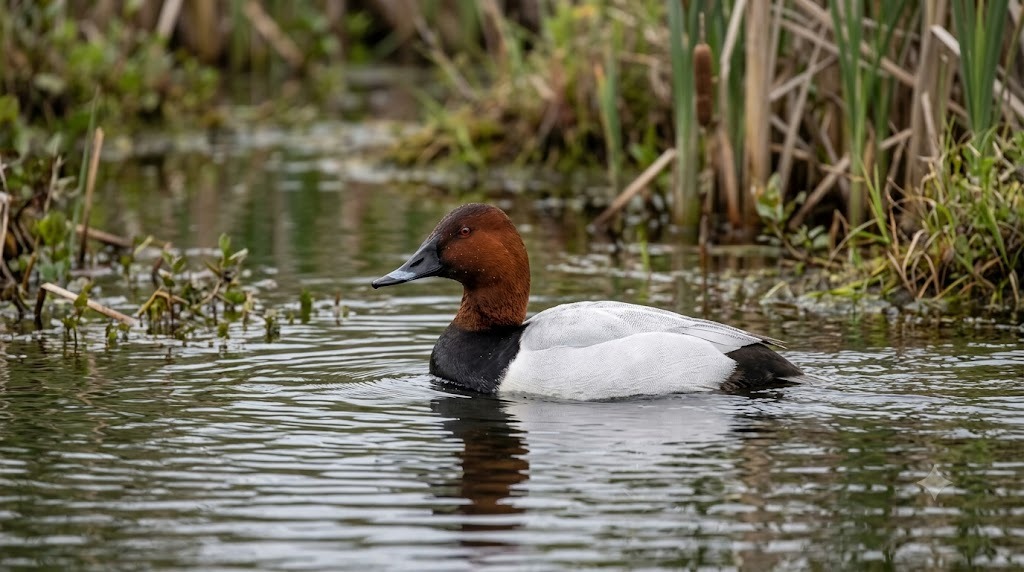 Canvasback The canvasback is the largest diving duck in North America and one of the most respected trophies in all of waterfowling.
 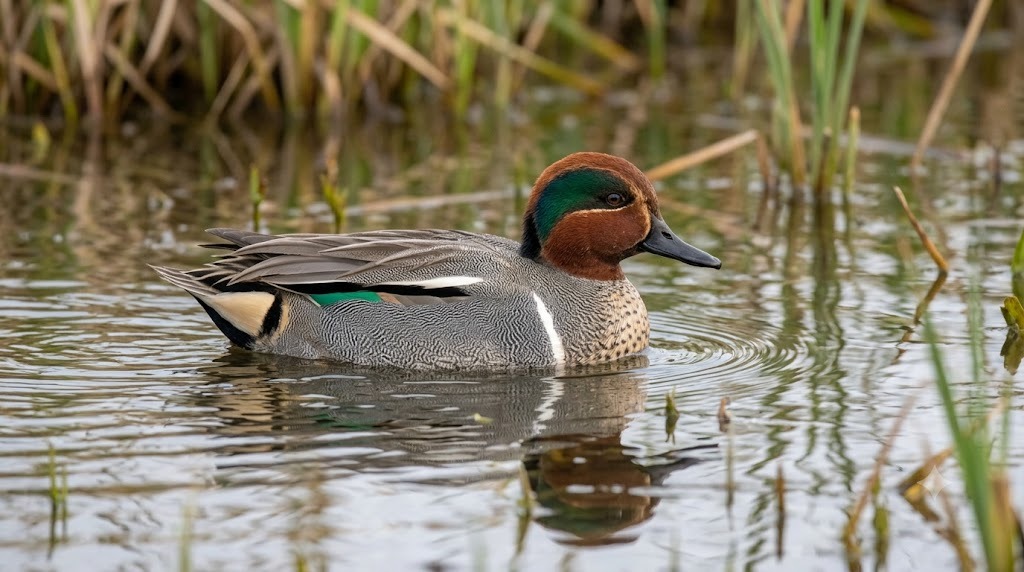 Teal Teal are the smallest dabbling ducks in North America, and they offer some of the most fast-paced, accessible, and beginner-friendly waterfowl hunting available.
 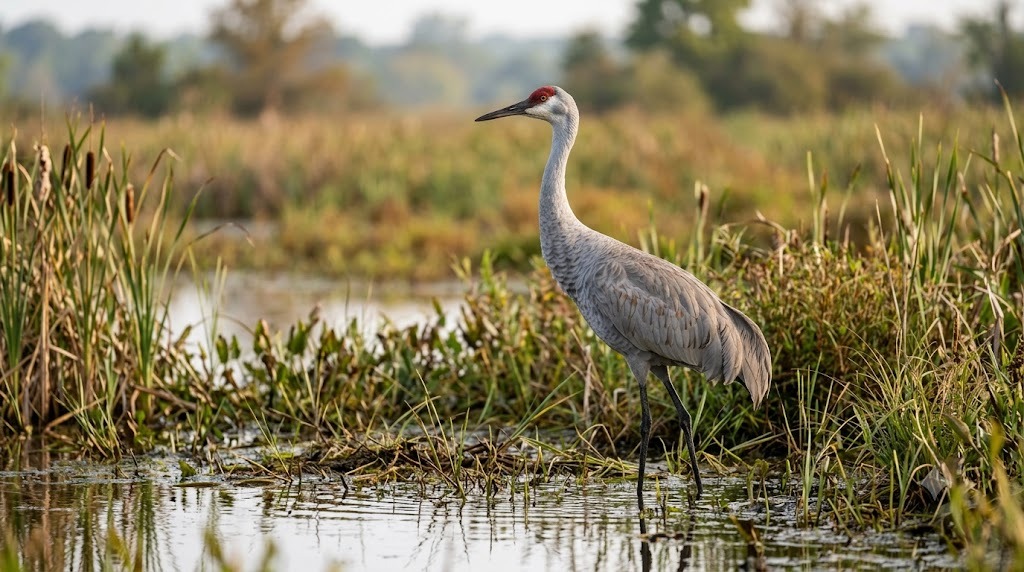 Sandhill Crane The sandhill crane is one of the most rewarding and challenging waterfowl-style hunts in North America.
 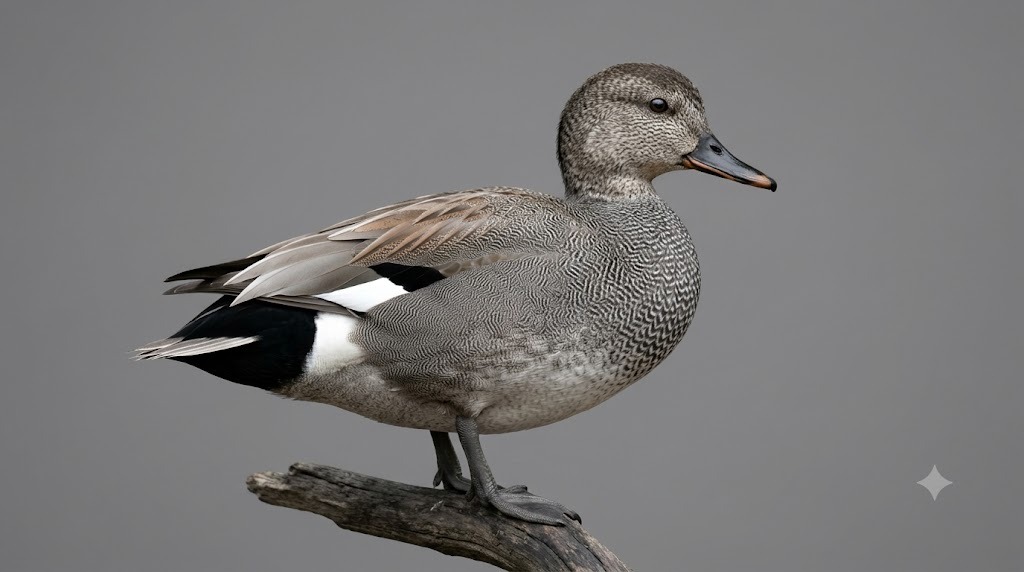 Gadwall The gadwall is one of the most underrated ducks in North America and a quietly rewarding bird for the beginning waterfowler.
 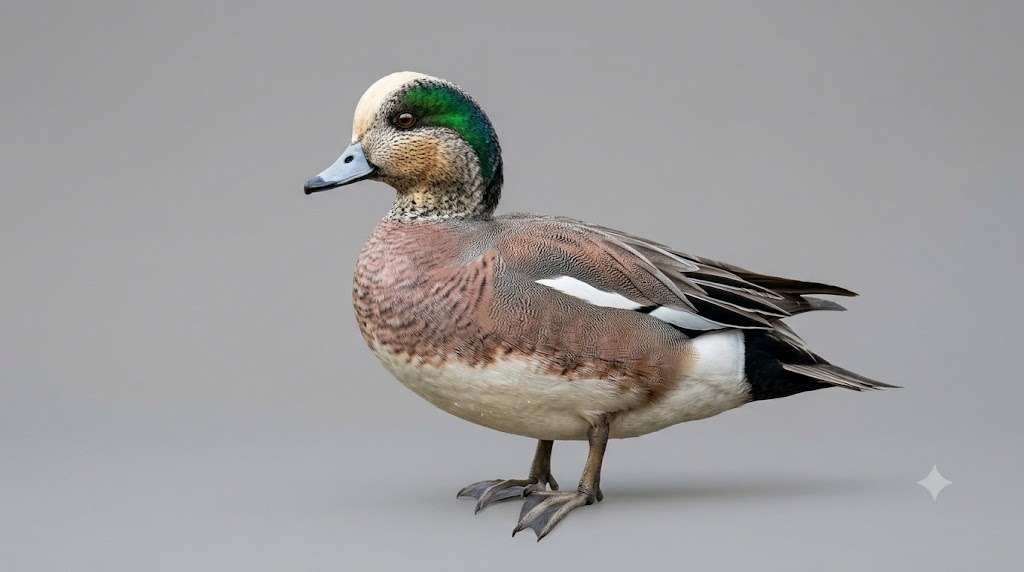 American Wigeon The American wigeon is one of the most distinctive and rewarding dabbling ducks a waterfowler can pursue, prized as much for its handsome drake plumage as for its excellent table quality.
 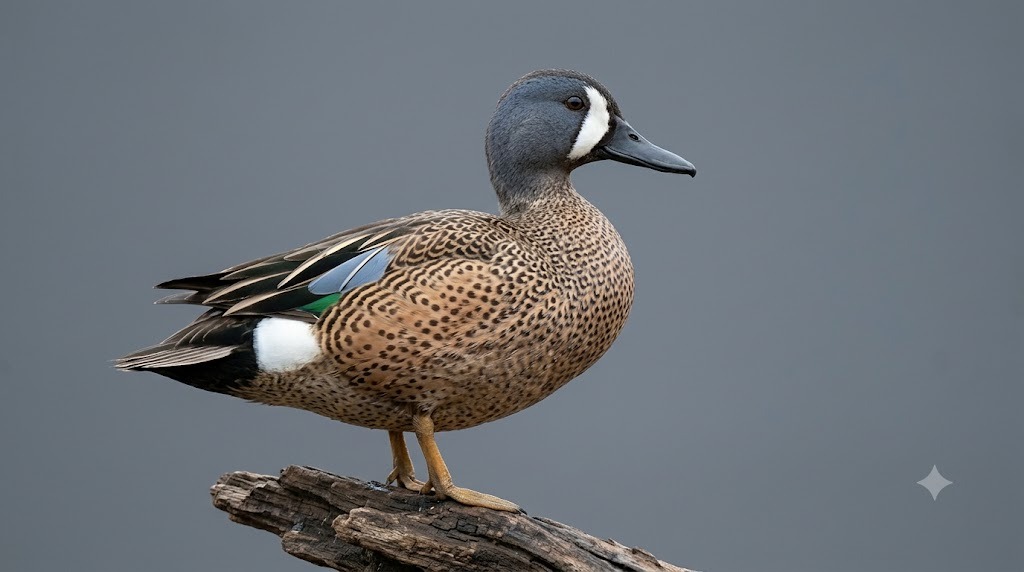 Blue-winged Teal The blue-winged teal is one of the smallest and most abundant dabbling ducks in North America, and it offers new waterfowlers a uniquely fast, warm-weather introduction to the marsh.
 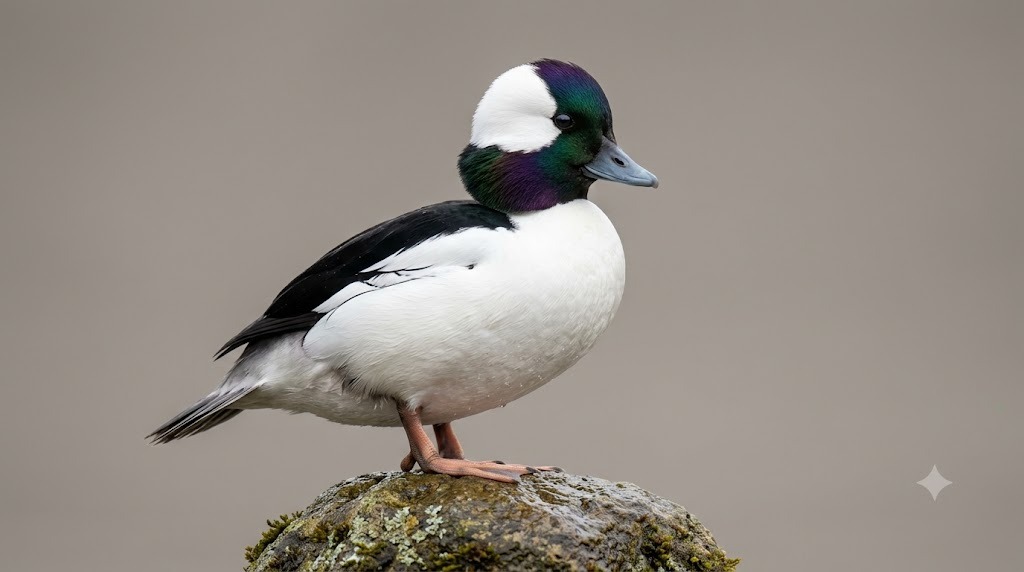 Bufflehead The bufflehead is the smallest diving duck in North America, and its bold black-and-white drake makes it one of the most recognizable birds on the water.
 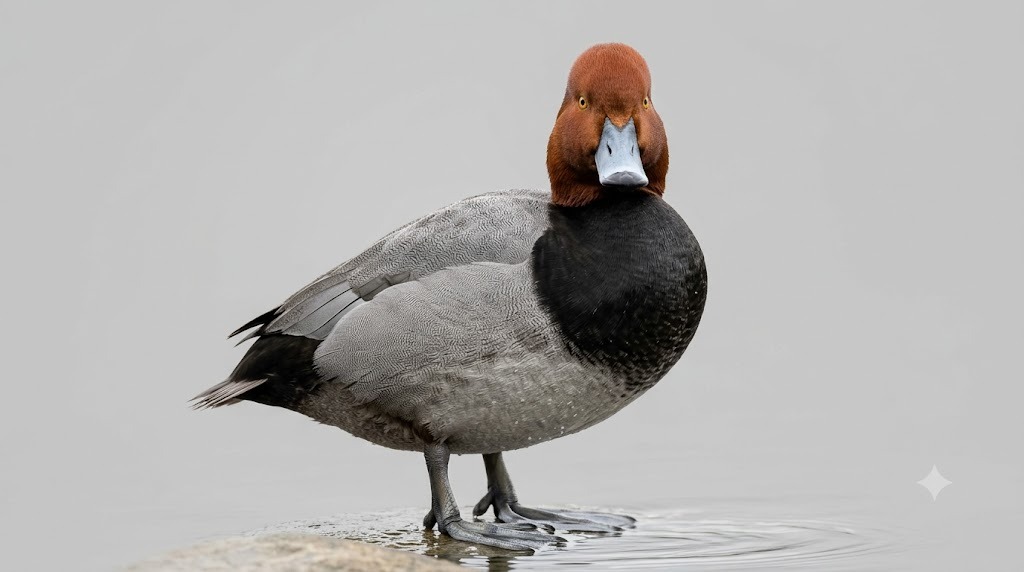 Redhead The redhead is a hardy, fast-flying diving duck that pulls waterfowlers off the shallow marsh and onto big water.
 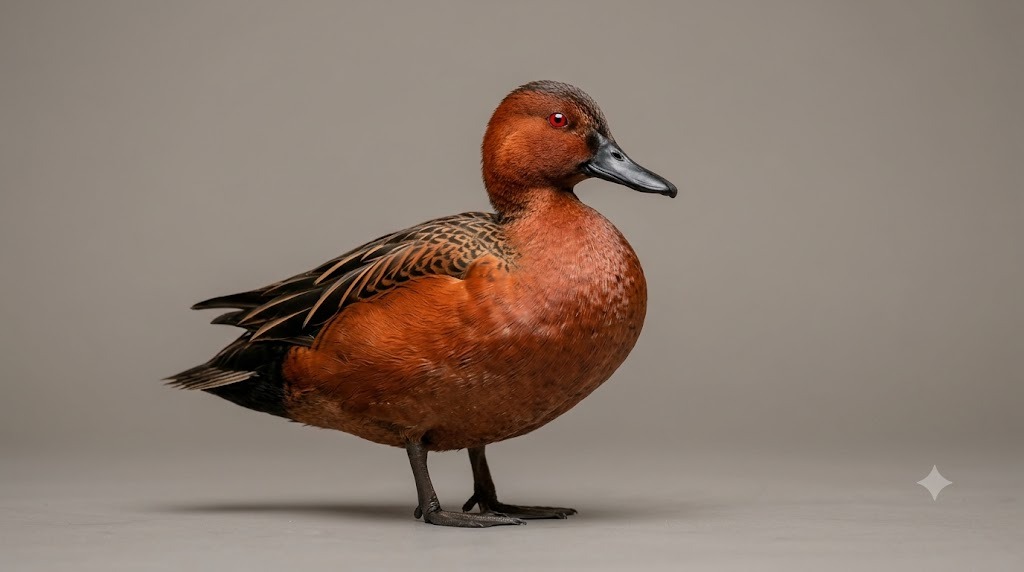 Cinnamon Teal The cinnamon teal is a small dabbling duck of the American West, and for hunters in the Pacific and western Central flyways it is one of the most striking birds to ever swing over a decoy spread.
 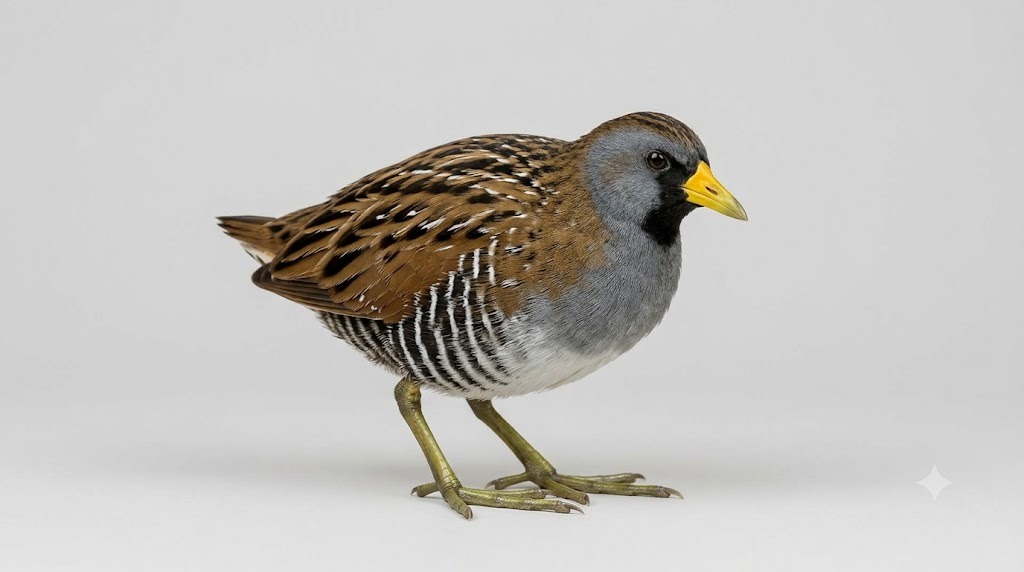 Sora The sora is one of the most overlooked game birds in North America, and that is exactly why it deserves a closer look.
 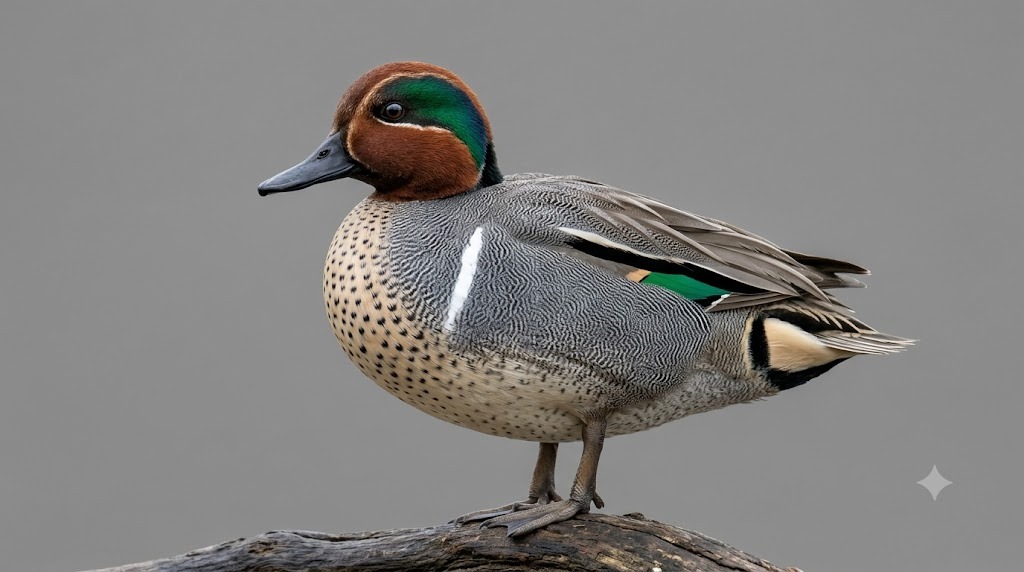 Green-winged Teal The green-winged teal is the smallest dabbling duck in North America, and it gives waterfowlers a fast, decoy-friendly bird that sticks around far longer than its blue-winged cousin.
 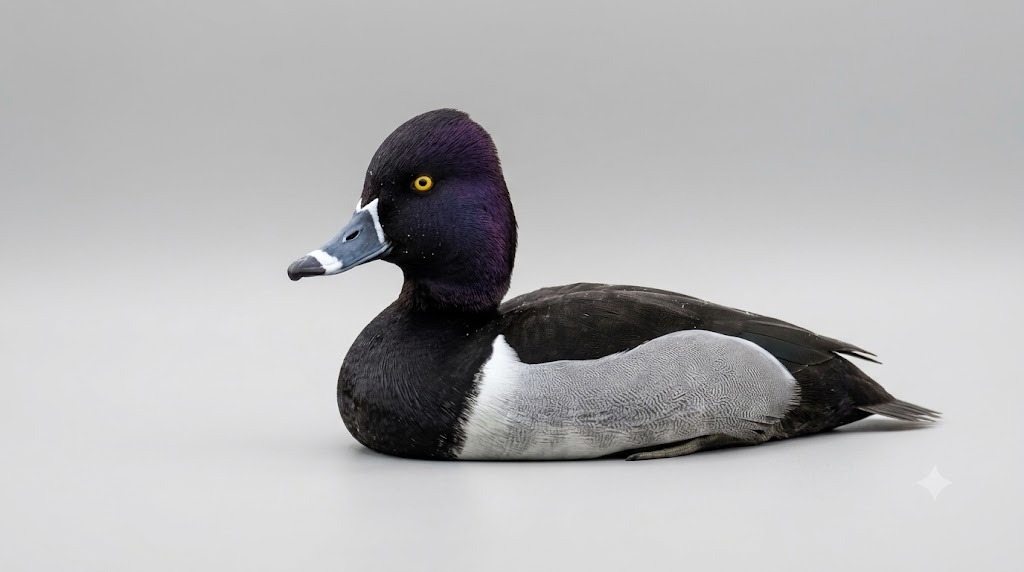 Ring-necked Duck The ring-necked duck is a small diving duck that hunts more like a puddle duck than the big-water diver it technically is.
 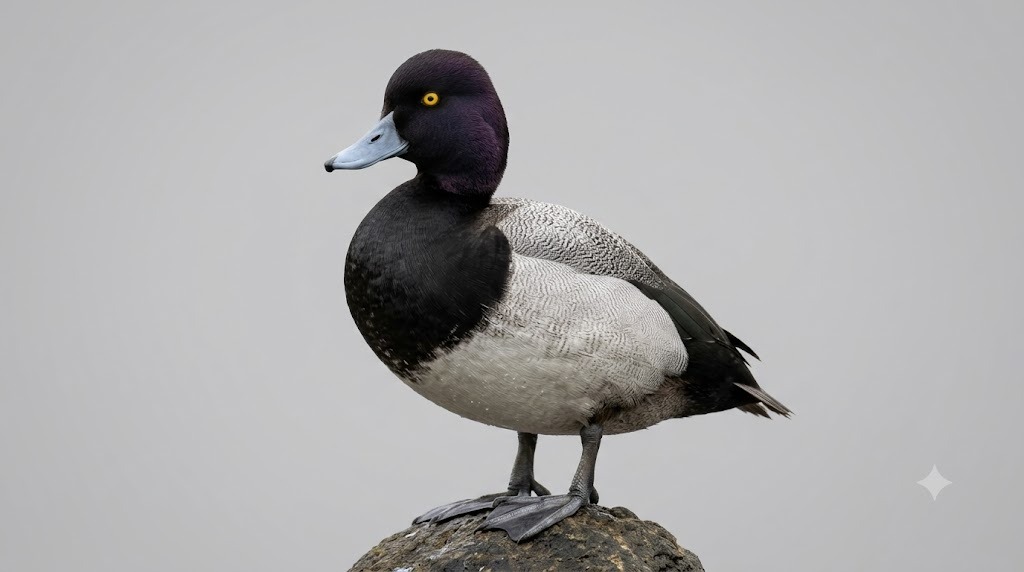 Lesser Scaup The lesser scaup is one of the most abundant diving ducks in North America, and for many waterfowlers it is the bird that defines big-water duck hunting.
 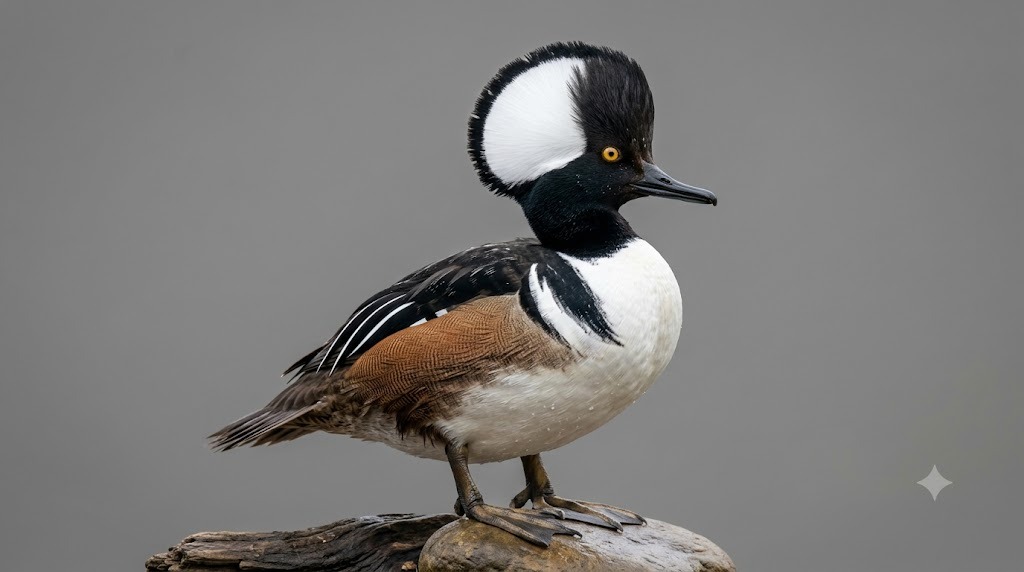 Hooded Merganser The hooded merganser is a small fish-eating diving duck and one of the most striking birds a waterfowler can bring to hand.
 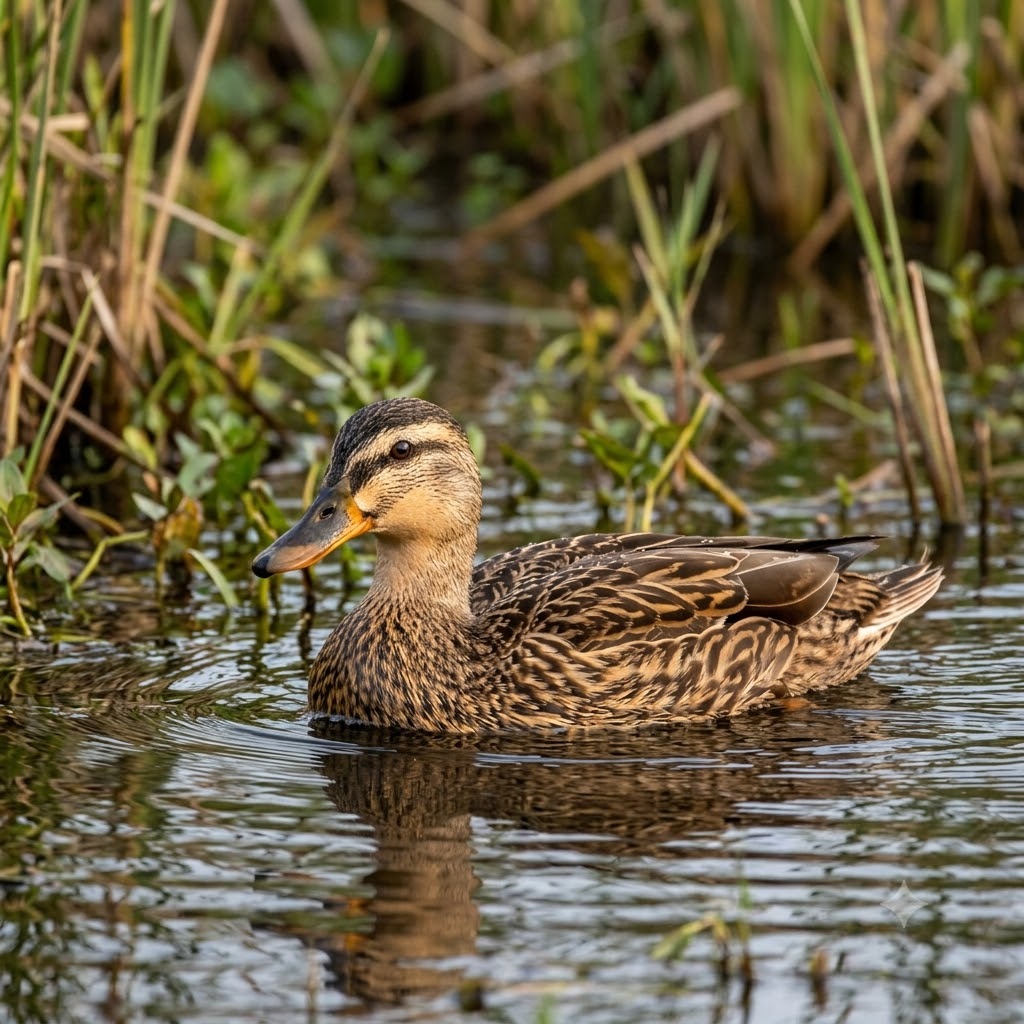 Mottled Duck The mottled duck is a distinctly Southern bird, a resident dabbler of the Gulf Coast marshes and peninsular Florida that rarely wanders far from where it hatched.
 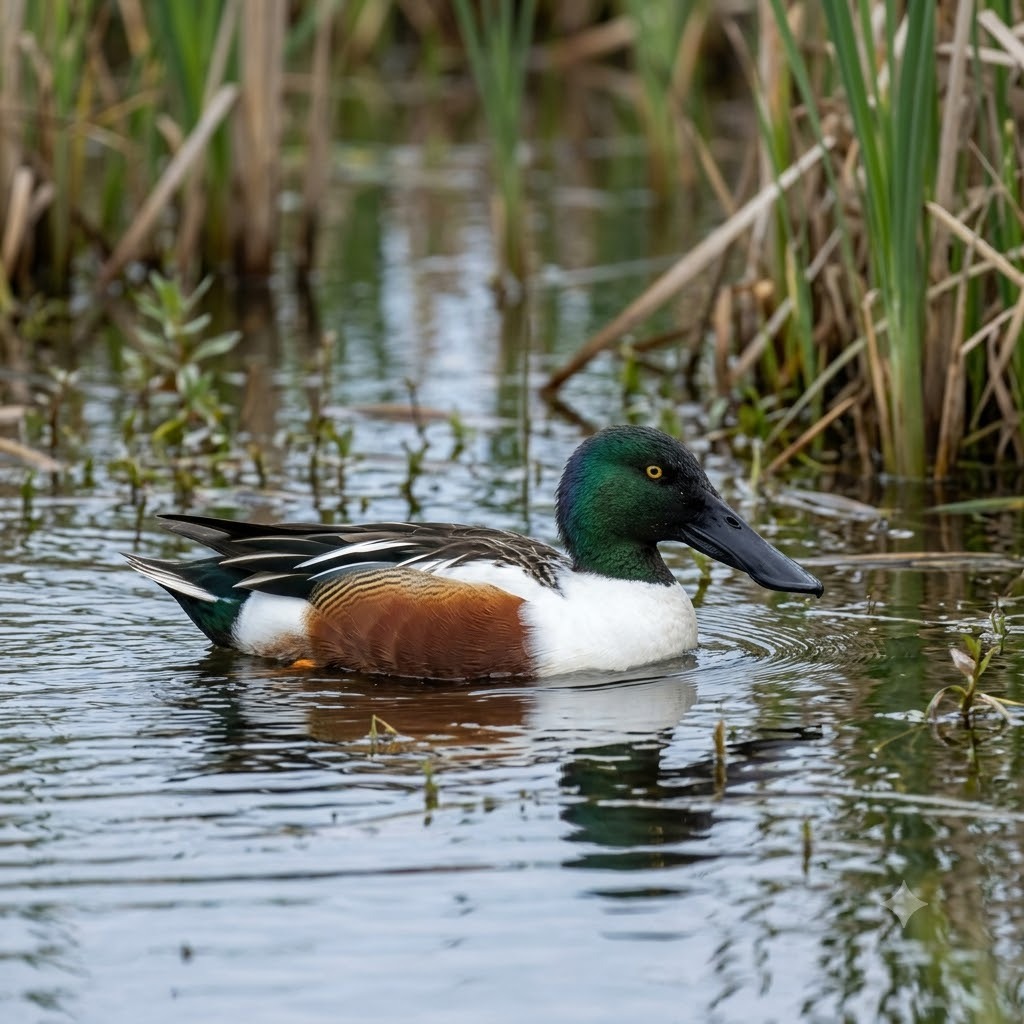 Northern Shoveler The northern shoveler is one of the most recognizable ducks on any marsh, thanks to the enormous spatula-shaped bill that gives it the nickname "spoonie." A widespread migratory dabbler, it is abundant, decoys readily, and is one of the more forgiving ducks for a beginning waterfowler to hunt.
 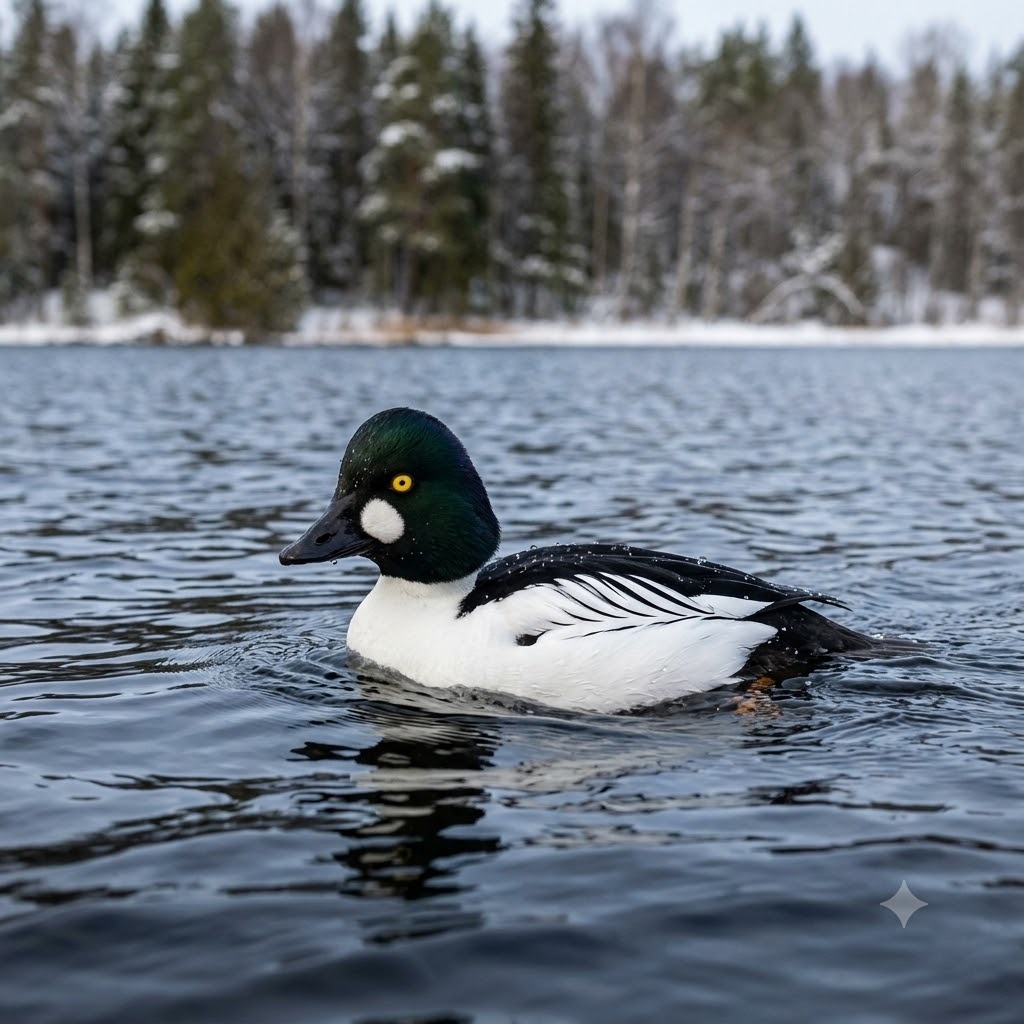 Common Goldeneye The common goldeneye is a hardy diving duck of big, cold water, prized by late-season hunters who don't mind ice in the decoy lines and wind off open lakes and rivers.
 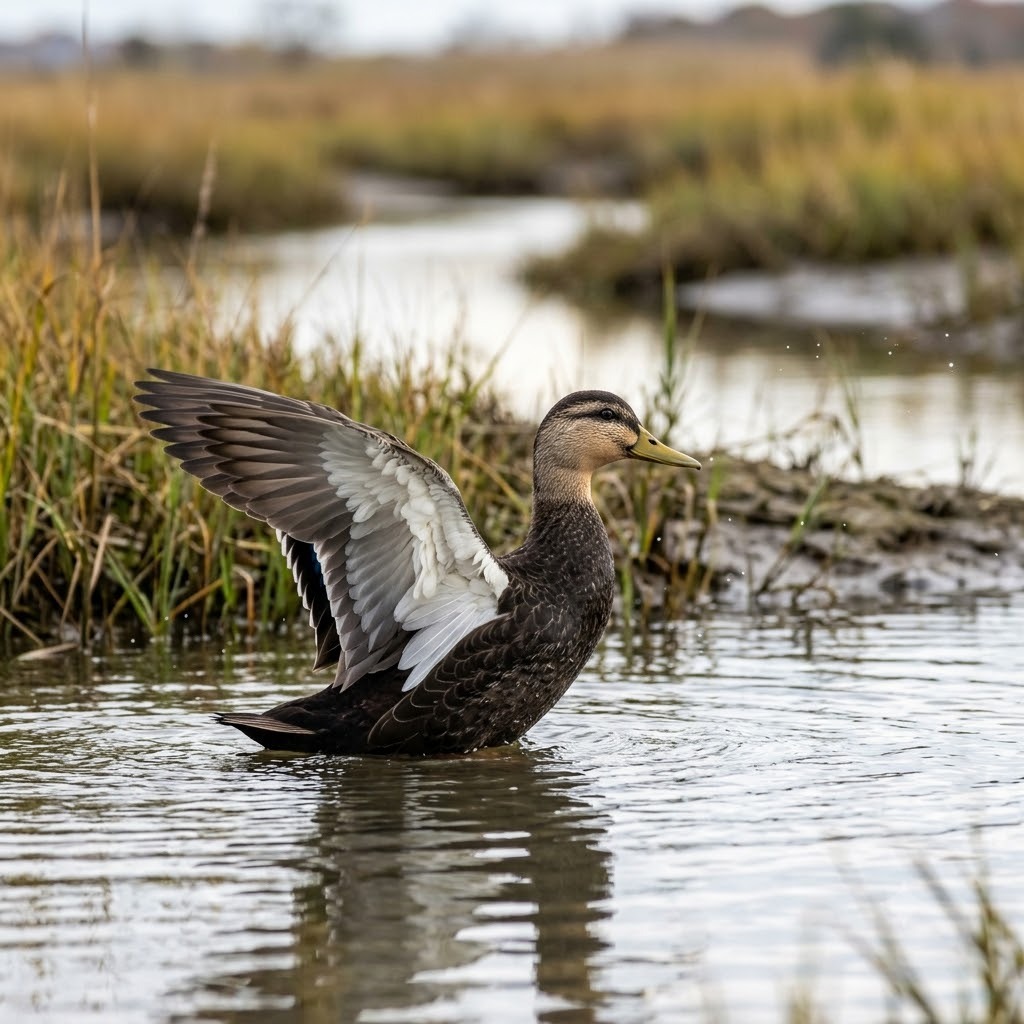 American Black Duck The American black duck is often called the wariest dabbling duck in North America, and hunters who consistently fool them earn a reputation to match.
 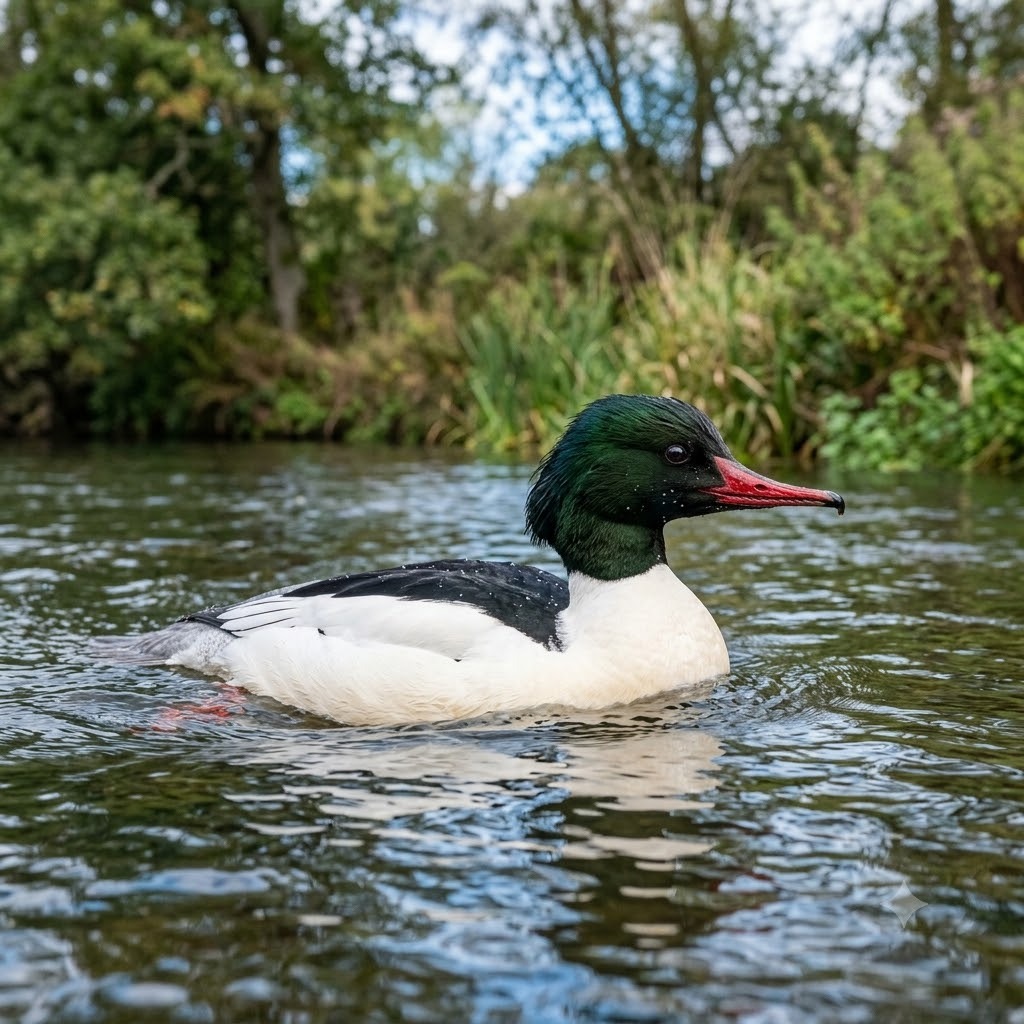 Common Merganser The common merganser is a large, fish-eating diving duck often called a "sawbill" for its serrated, hook-tipped bill built to grip slippery prey.
 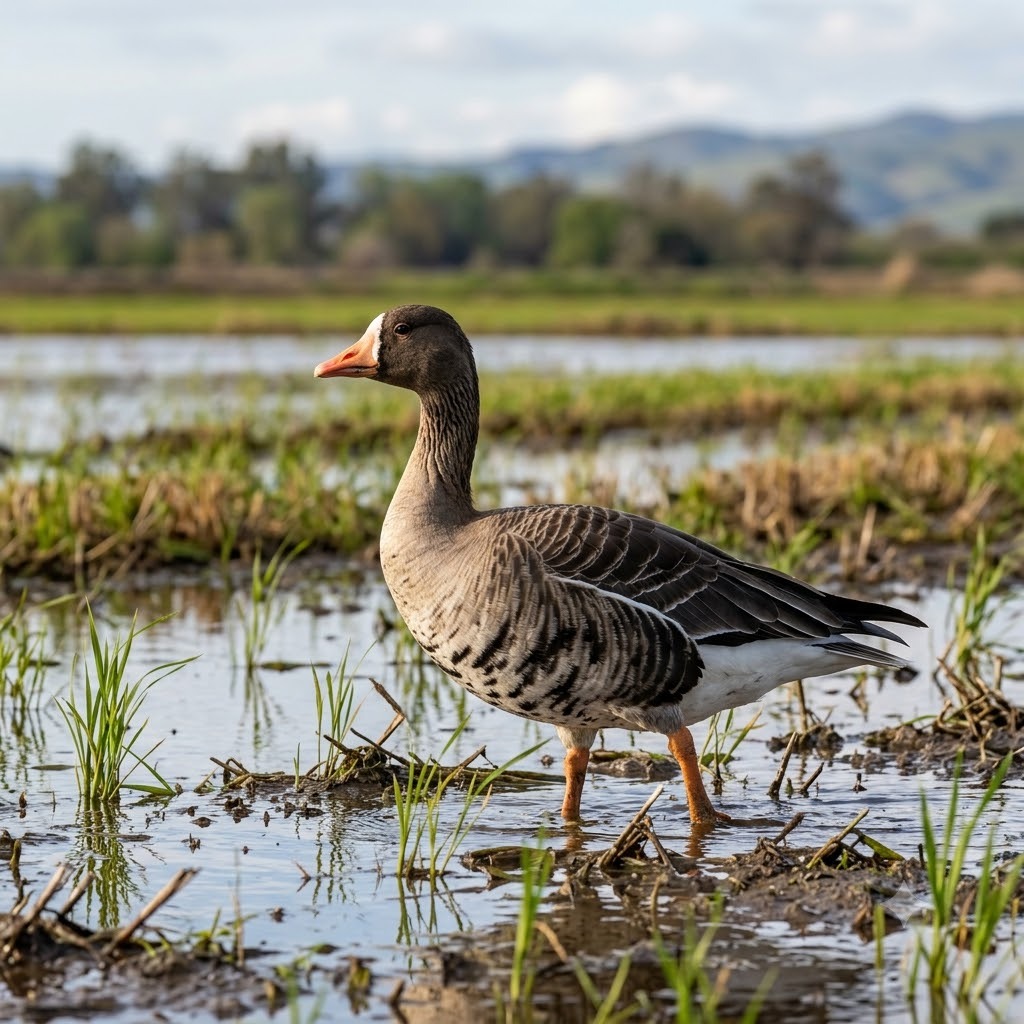 Greater White-fronted Goose The greater white-fronted goose, known to hunters as the "specklebelly" or simply "speck," is one of the most prized geese in North America - both for the challenge of hunting it and for its outstanding table quality.
 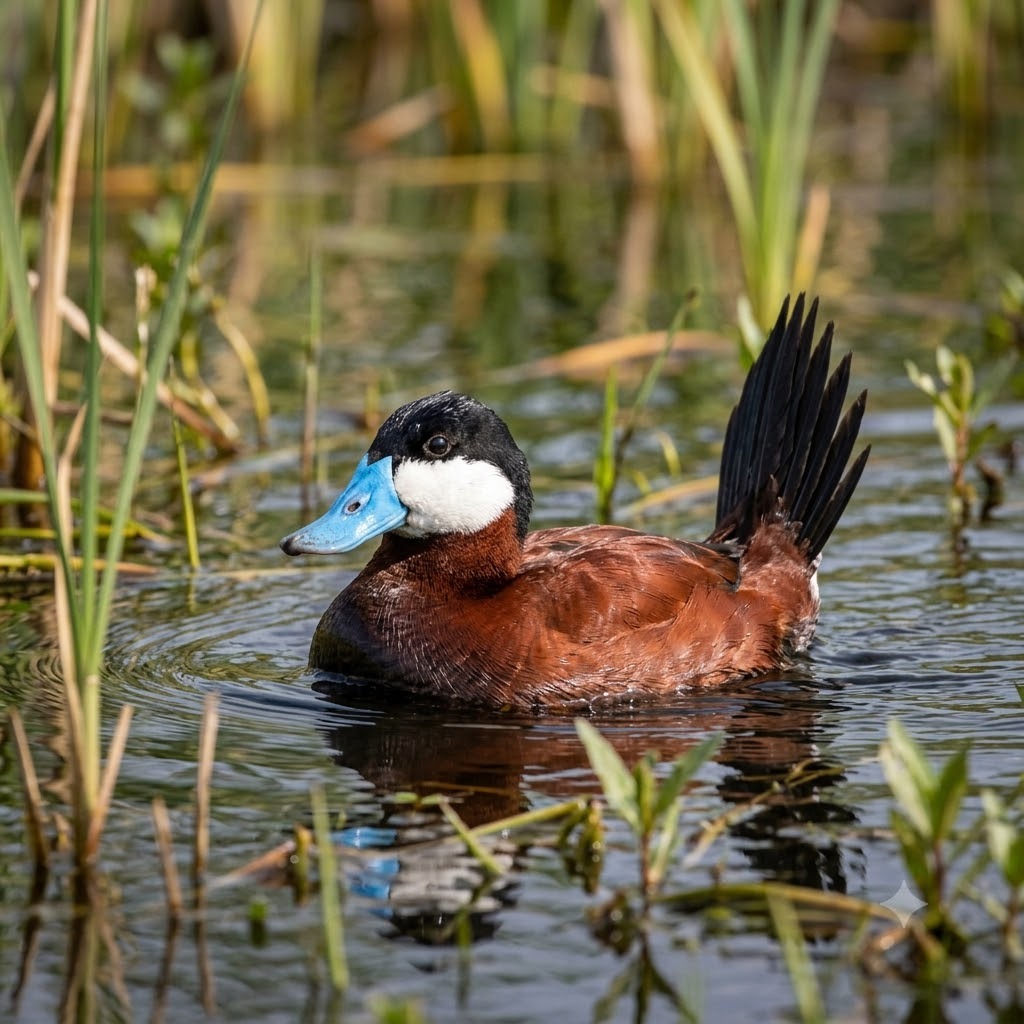 Ruddy Duck The ruddy duck is one of North America's most distinctive little waterfowl - a tiny, energetic diving duck with a stiff cocked tail and, in the breeding drake, an almost cartoonishly bright sky-blue bill.
 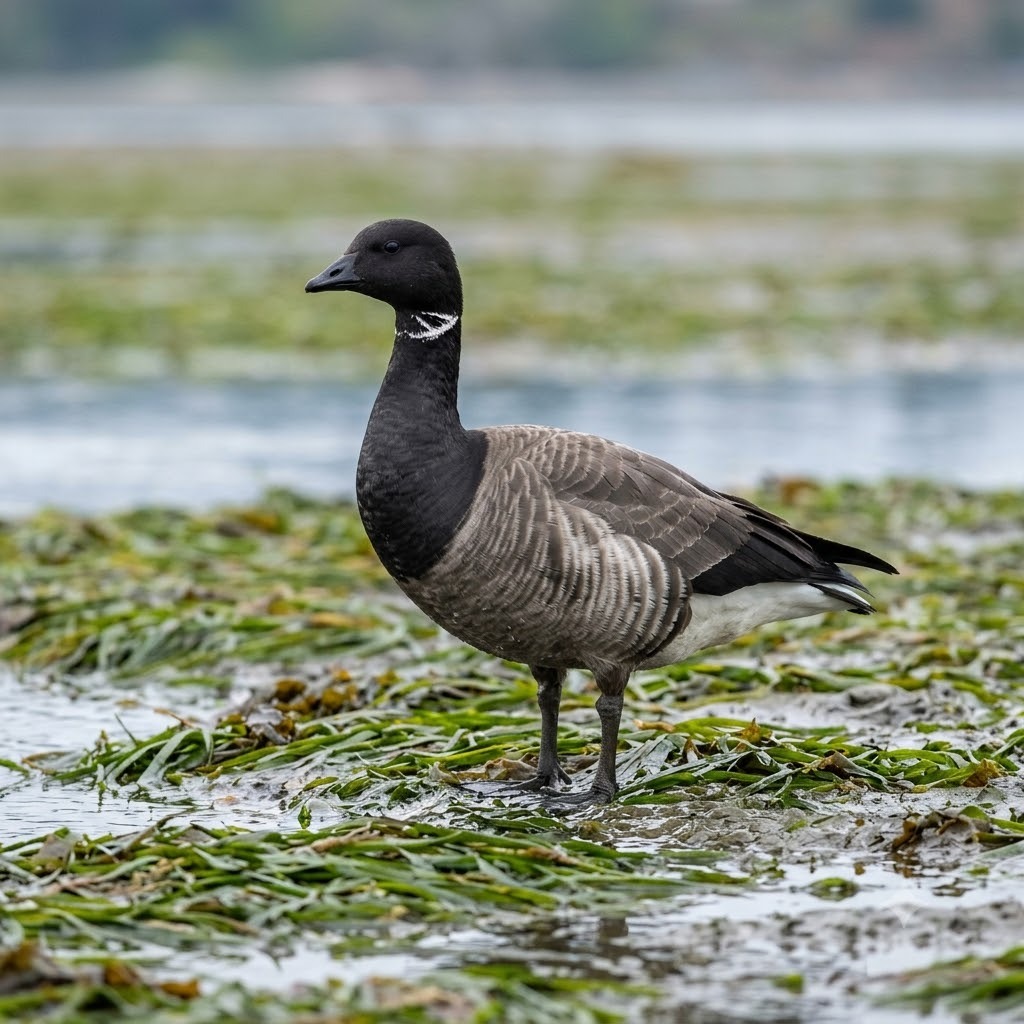 Brant Brant are small, fast sea geese hunted along both US coasts, prized by waterfowlers for their coastal-only range, their tricky decoying and their reputation as one of the finest-eating geese.
 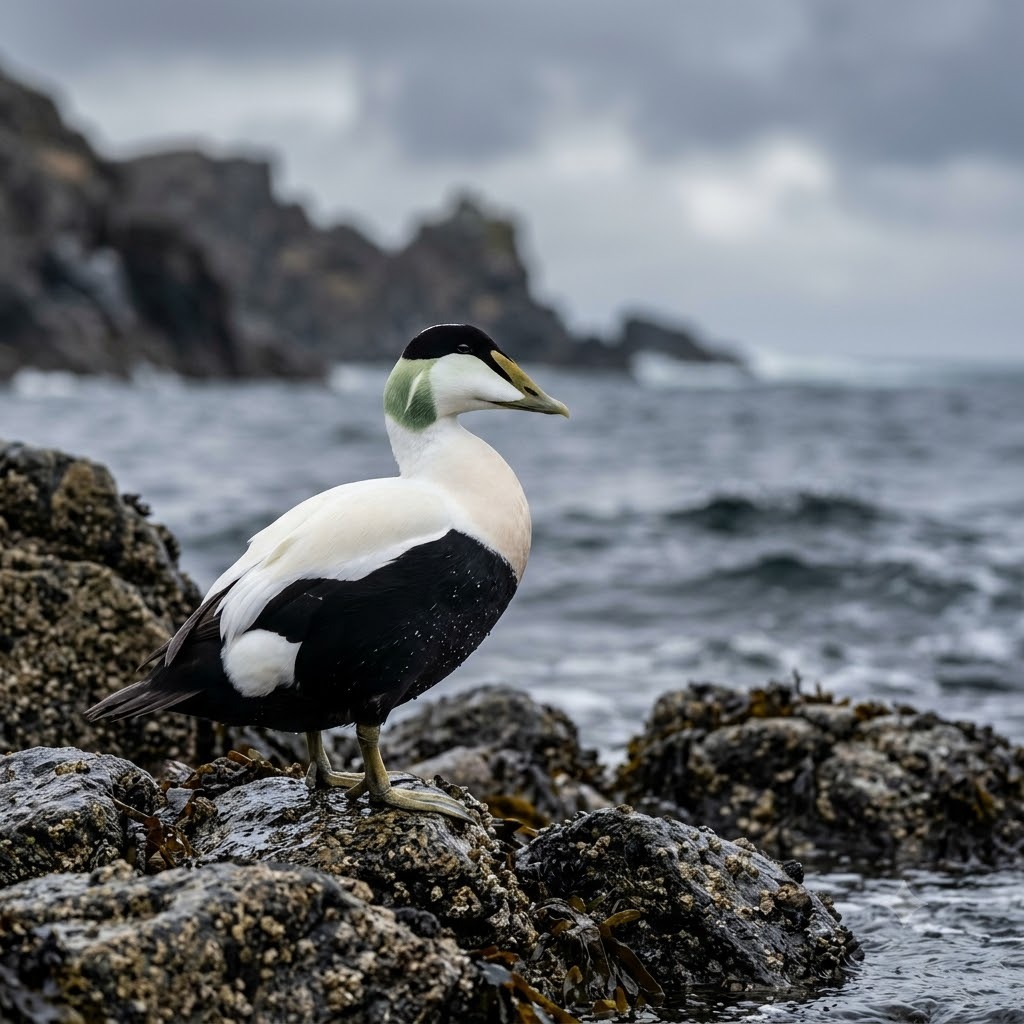 Common Eider The common eider is the largest duck in North America and the premier trophy of northern sea-duck hunting.
 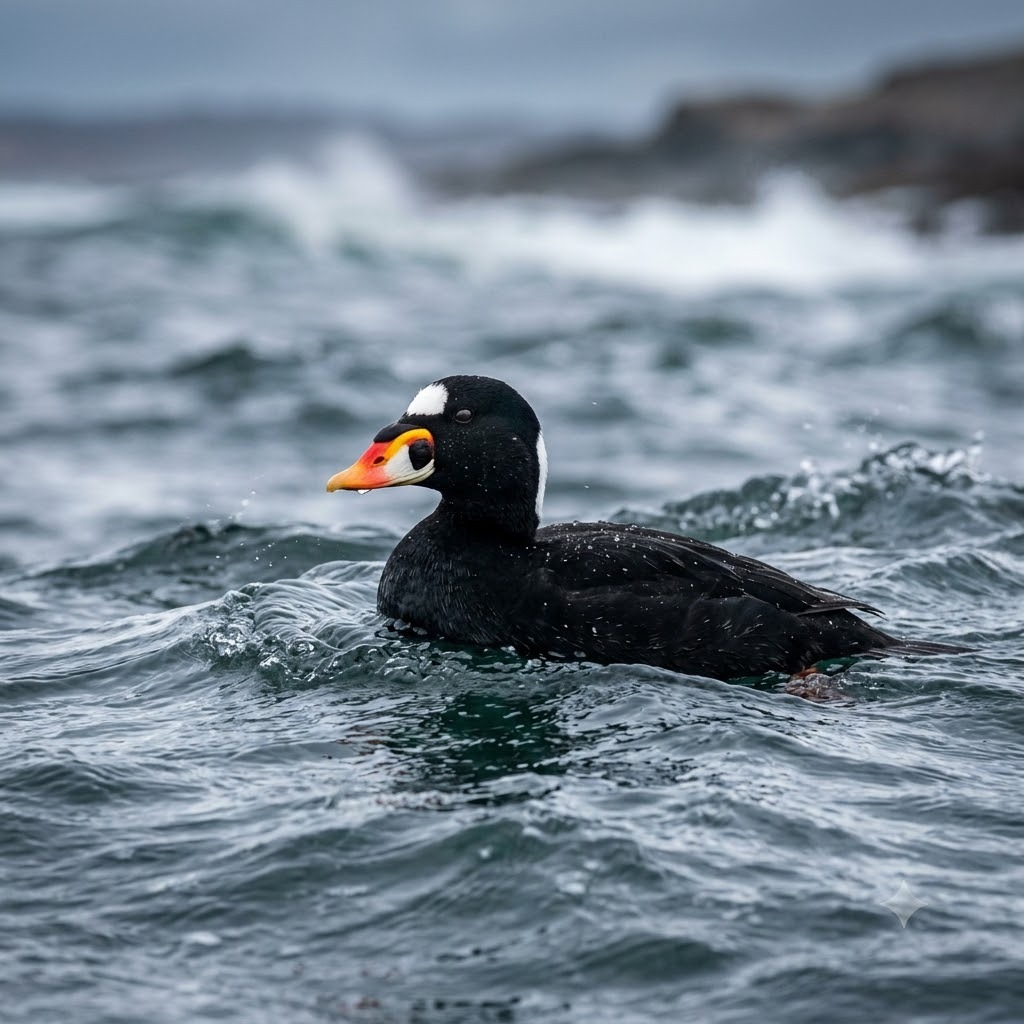 Surf Scoter The surf scoter is a striking black sea duck of both coasts, a favorite of the sea-duck crowd for its bold white head markings and its willingness to decoy in open water.
 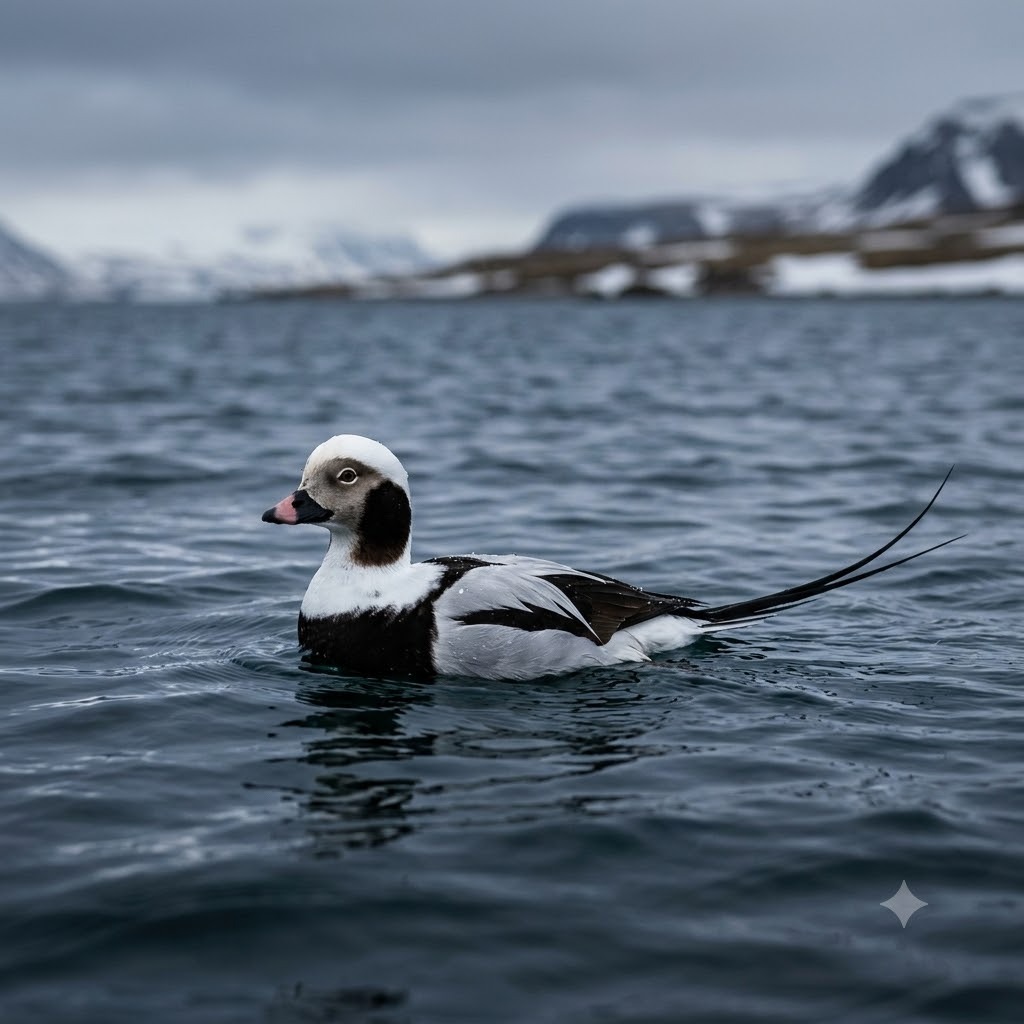 Long-tailed Duck The long-tailed duck, formerly called the oldsquaw, is a fast, elegant sea duck of northern coasts and a prized sea-duck trophy.
 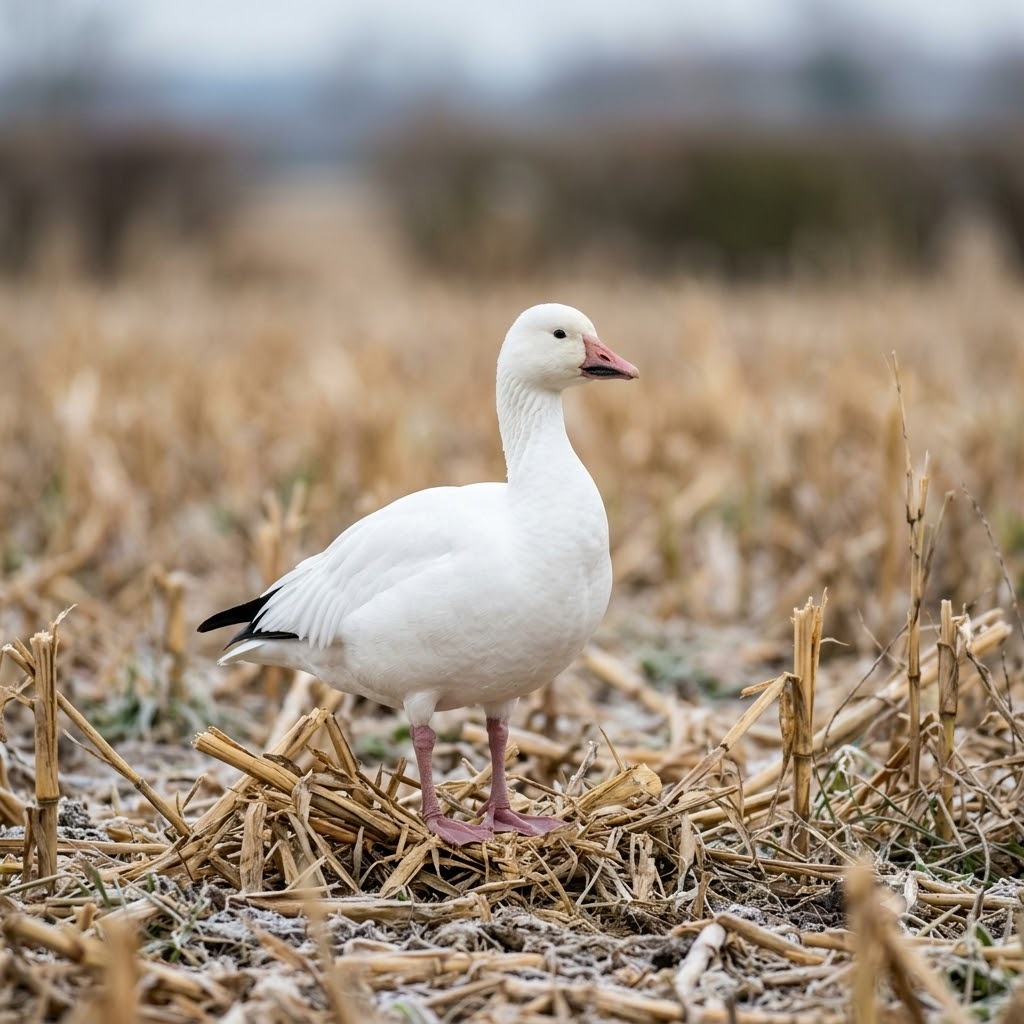 Ross's Goose Ross's goose is a diminutive white goose, essentially a miniature snow goose, that mixes into the great white-goose flocks of the Central and Pacific flyways.
 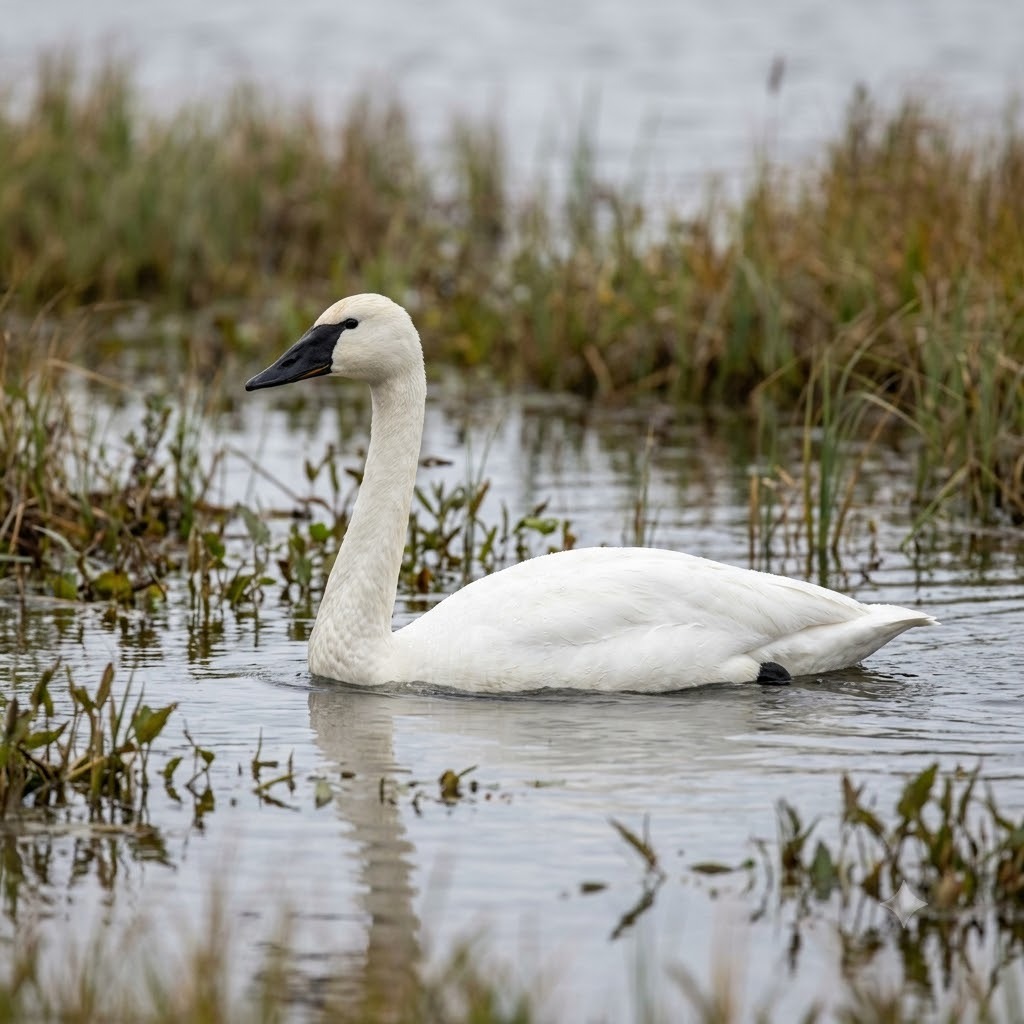 Tundra Swan The tundra swan is North America's most common wild swan and a rare, permit-only waterfowl trophy in the handful of states that allow a limited hunt.
 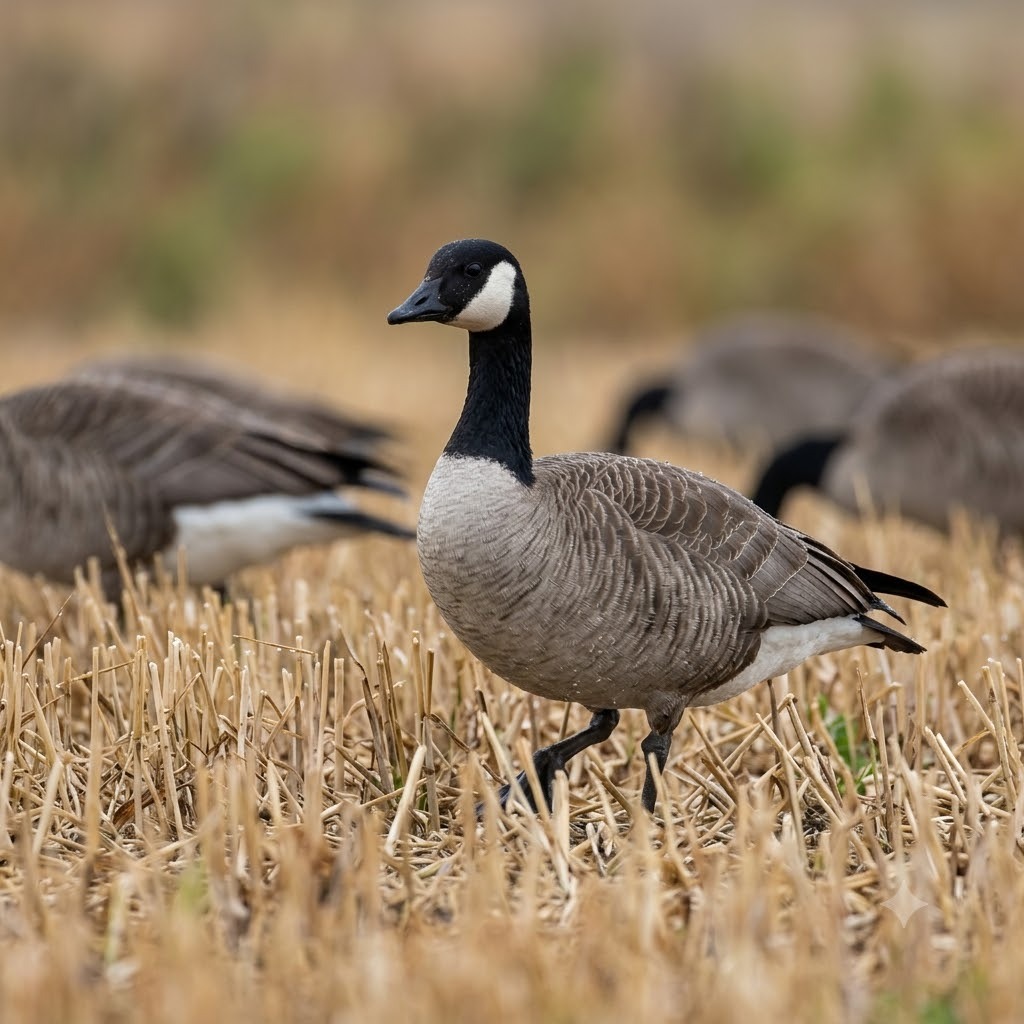 Cackling Goose The cackling goose is the compact, small-bodied cousin of the Canada goose, only recently recognized as a separate species.
 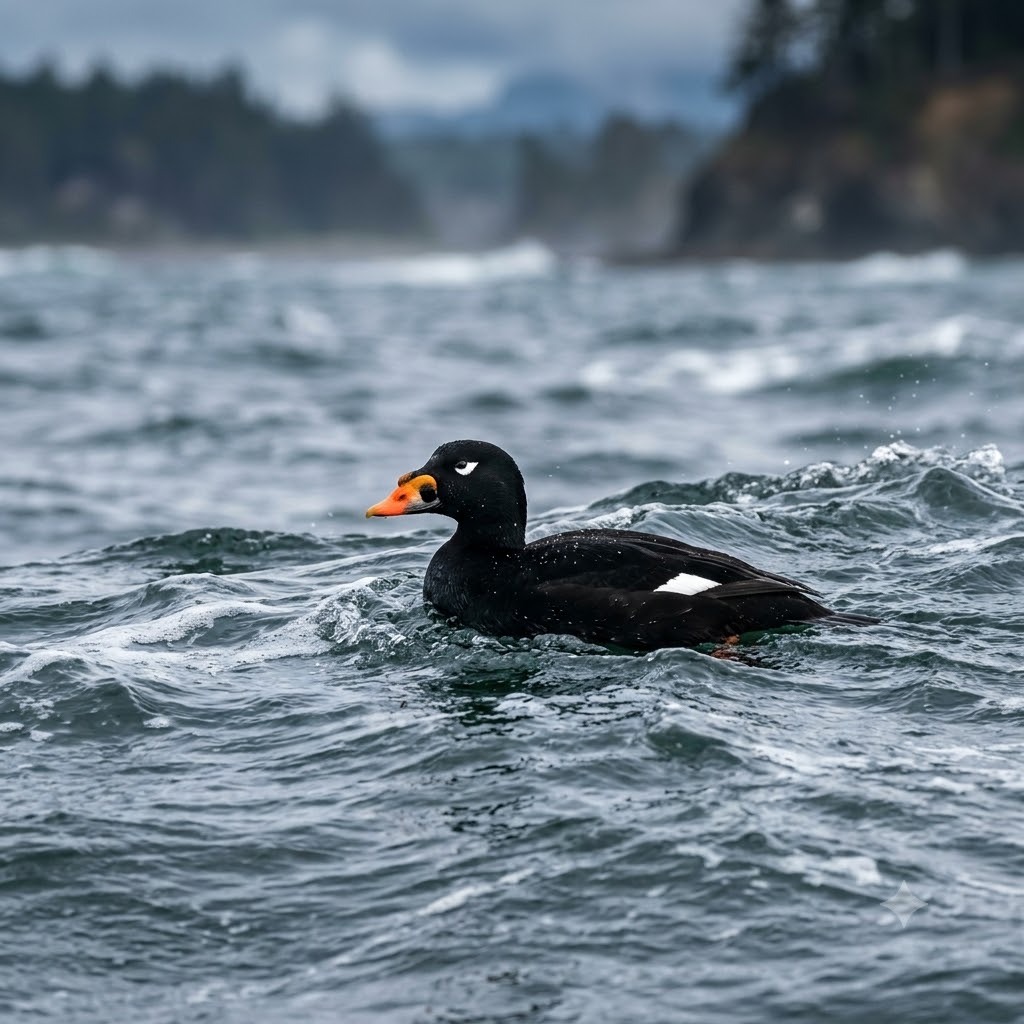 White-winged Scoter The white-winged scoter is the largest of the three North American scoters and a hardy sea-duck trophy, hunted from layout boats in cold coastal and Great Lakes water.
 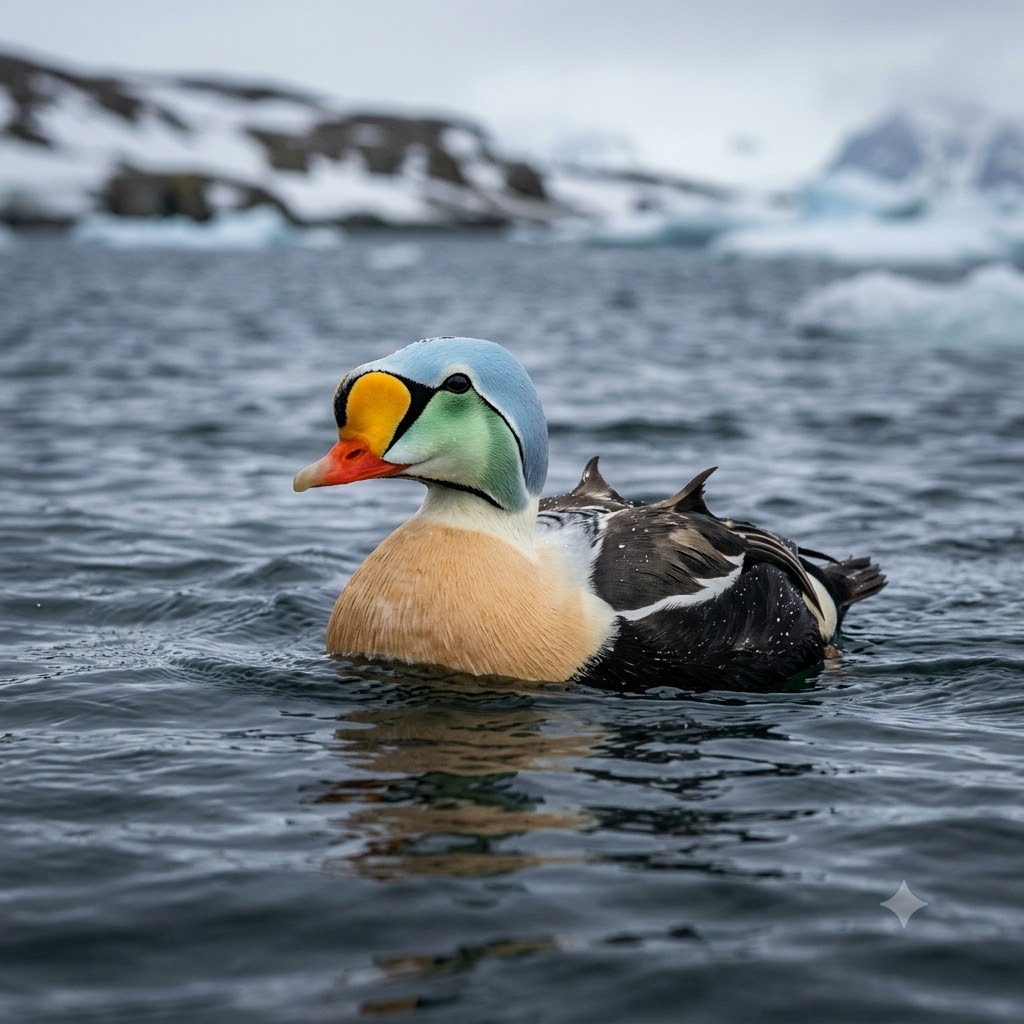 King Eider The king eider is the most spectacular of the sea ducks and one of the great trophies of hardcore waterfowling, hunted in the coldest, most remote coastal waters of the far north.
 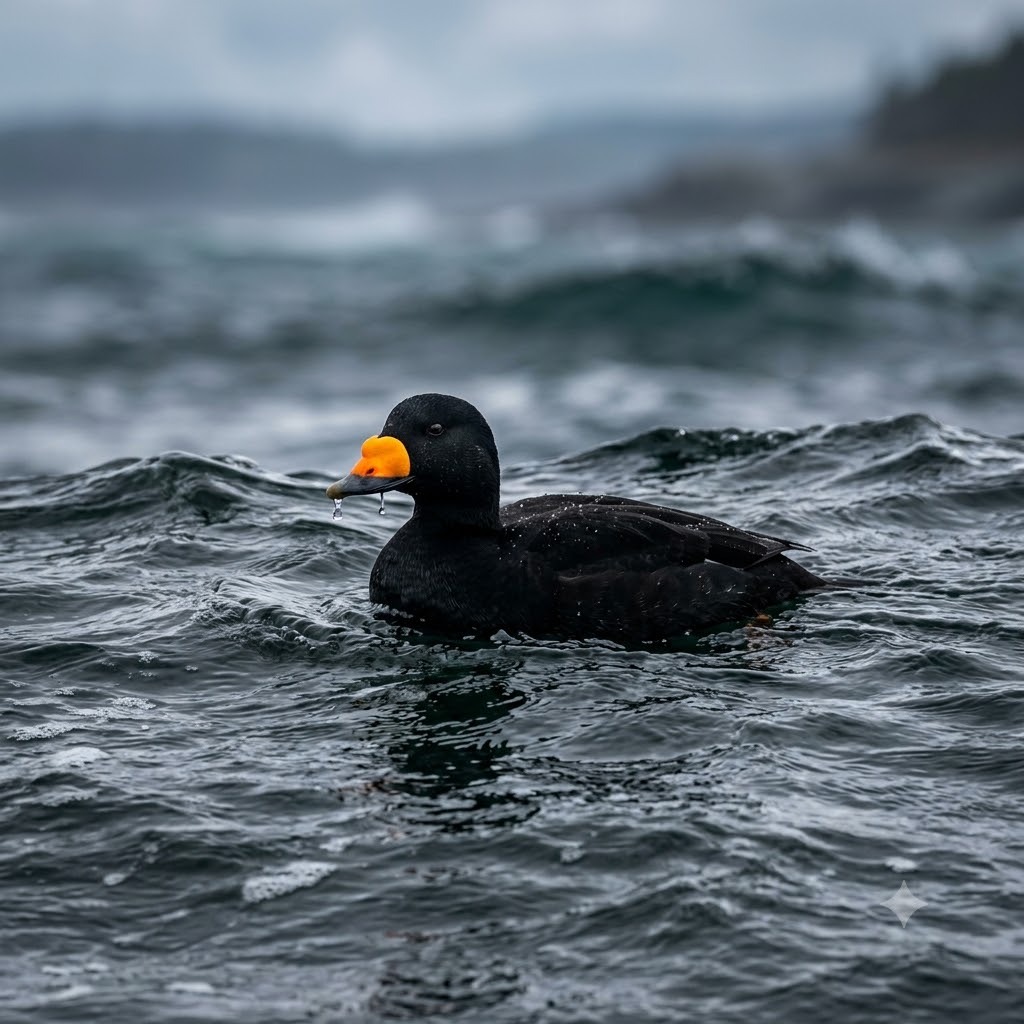 Black Scoter The black scoter is the smallest and most all-dark of the three North American scoters, a hardy sea duck hunted from layout boats along cold coasts.
 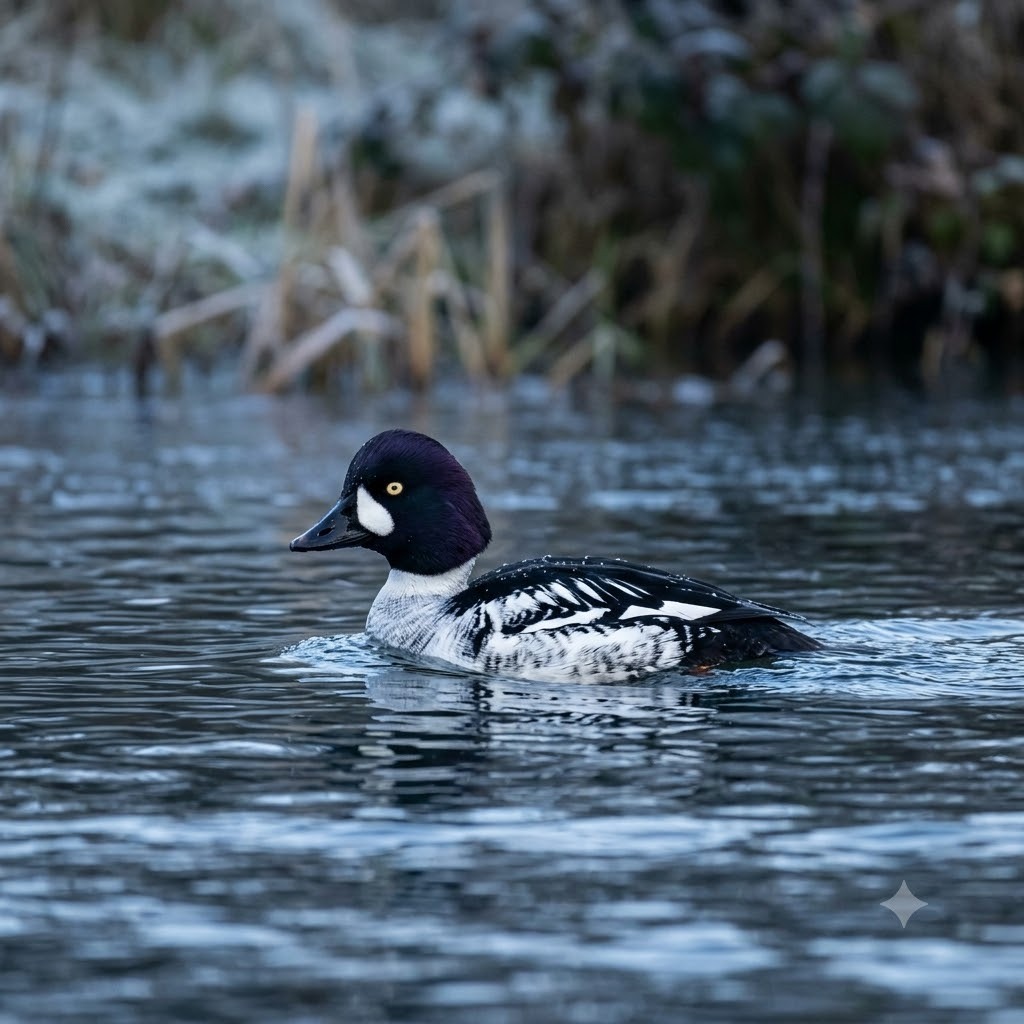 Barrow's Goldeneye Barrow's goldeneye is a striking diving duck of western and northern waters, a prized and less common cousin of the common goldeneye.
 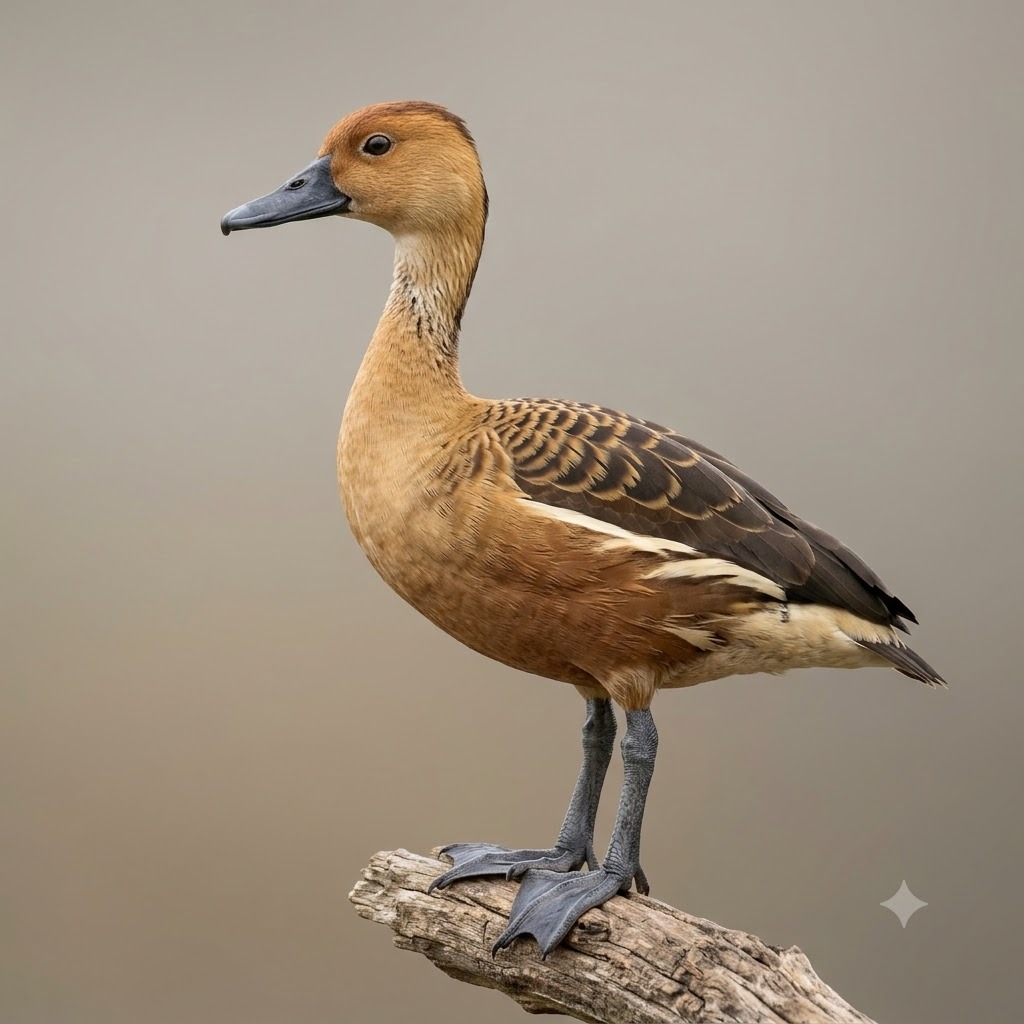 Fulvous Whistling Duck The Fulvous Whistling Duck is a tall, long-legged, goose-like waterfowl of southern marshes and flooded rice country.
 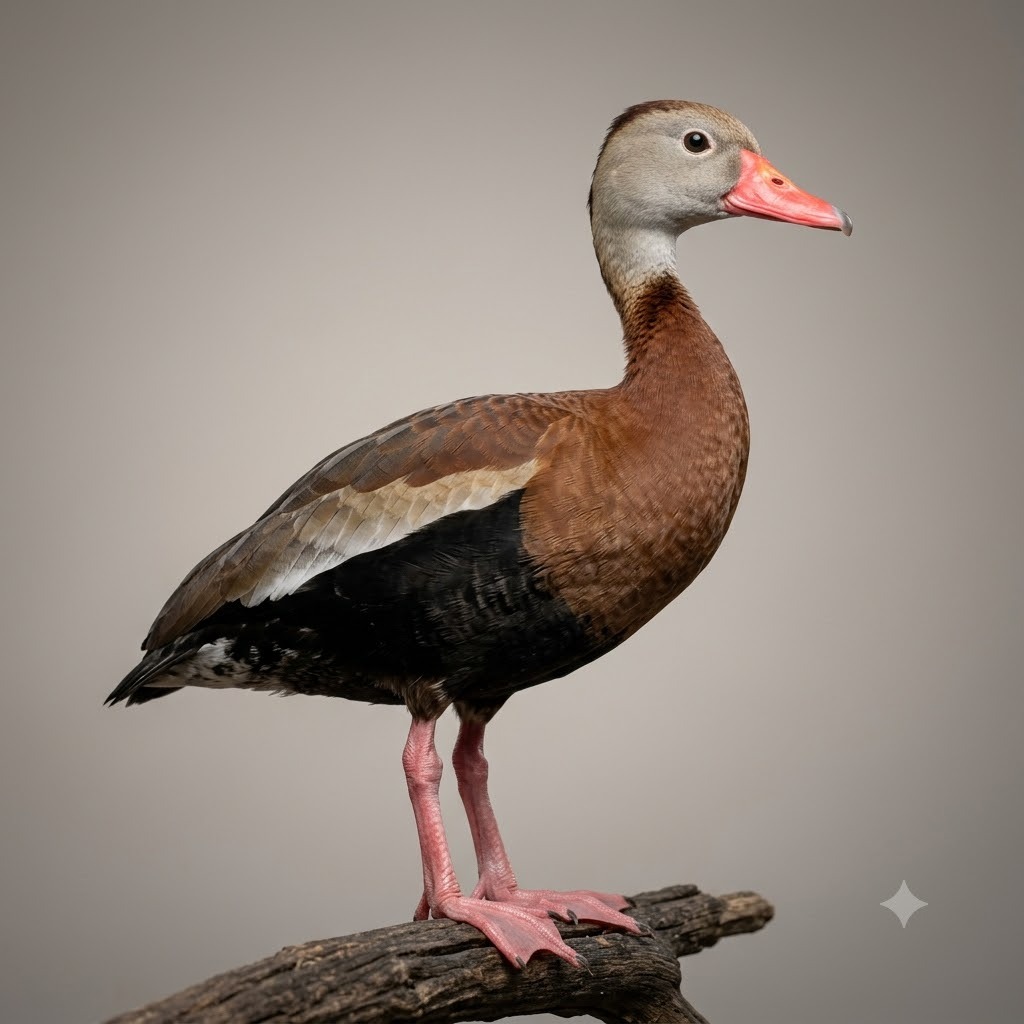 Black-Bellied Whistling Duck The black-bellied whistling duck is a long-legged, goose-like waterfowl of the Gulf Coast and Southwest, once called the black-bellied tree duck.
 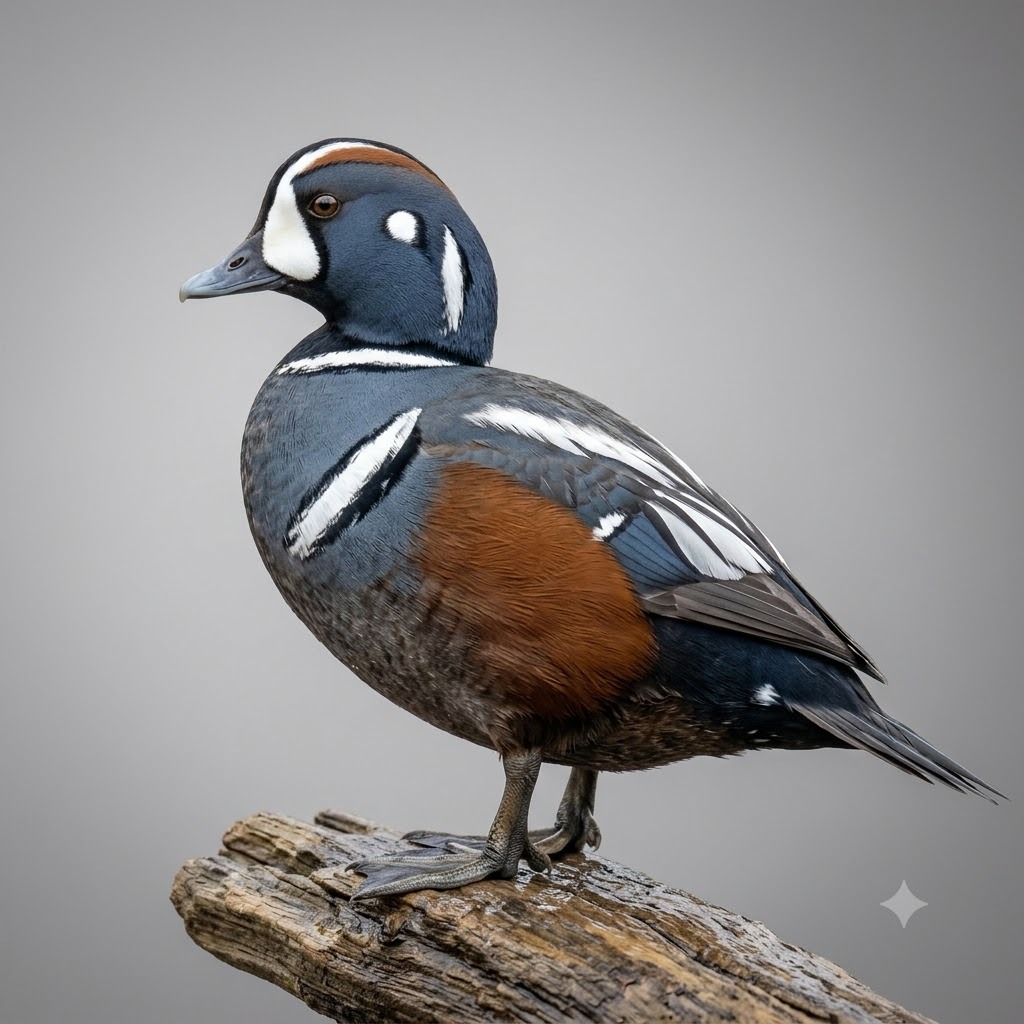 Harlequin Duck The harlequin duck is a small, hardy sea duck named for the drake's clownish, painted plumage (Histrionicus means "theatrical" or "actor-like").
 How it's done
Ducks and geese come to what looks like other birds feeding safely. A believable spread with a landing hole into the wind does more than any single trick - keep it realistic, not just big.
Waterfowl look straight down and spook at a shine or a face. A well-brushed blind that matches the cover, still hands and a dipped brim beat the fanciest gun.
A hail call turns distant birds; a soft feeding chuckle finishes them. The golden rule: back right off the moment they're committed and cupping their wings.
A good dog marks the fall, breaks ice for you and recovers cripples you'd never find - the difference between a hard day and a joy.
Fresh birds arrive on cold fronts and north winds; a bluebird calm day is tough. Learn your local migration and hunt the weather, not just the calendar.
Gear that matters
Steel or other non-tox is the law for waterfowl. Match choke to range - open for decoying birds, tighter for pass-shooting.
You'll be wet, still and cold. Good waders, warm gloves and a way to keep dry are the difference between all day and an hour.
A dozen good decoys with a spinner or jerk-cord for movement often beats a raft of static ones. Movement sells it.
Go deeper: learn the calls, pick a retriever, dial your choke & shot, check the seasons, then handle the reward with preserving game.
⚠️ A general guide, not law. Waterfowl seasons, limits, zones and non-toxic-shot rules are set within federal frameworks and vary every year - always confirm the current, legal details with your wildlife agency before you hunt, and know your target and beyond.