White-winged Scoter
The white-winged scoter is the largest of the three North American scoters and a hardy sea-duck trophy, hunted from layout boats in cold coastal and Great Lakes water.
🗓️ Last reviewed: July 2026
Overview
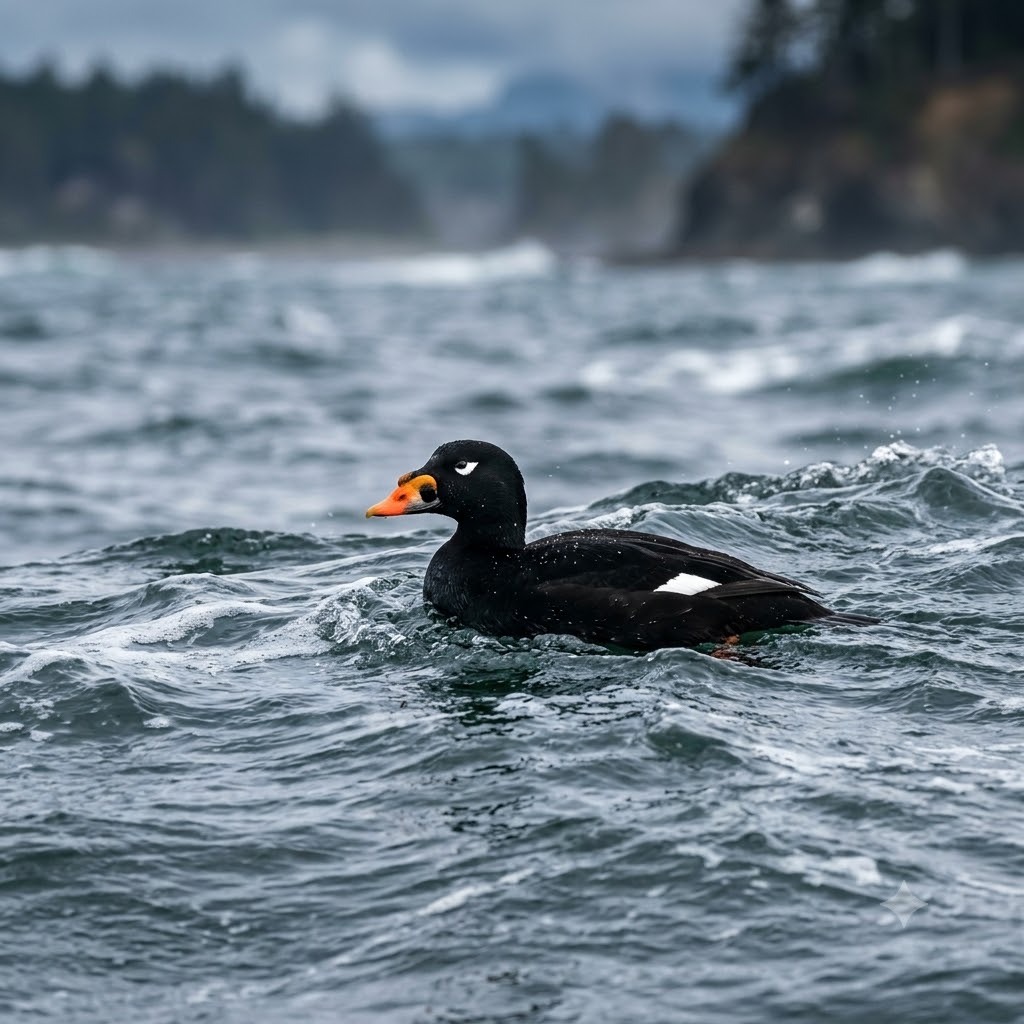
The white-winged scoter is the largest of the three North American scoters and a hardy sea-duck trophy, hunted from layout boats in cold coastal and Great Lakes water. Its bold white wing patch flashes in flight, making it a striking addition to any sea-duck strap.
Identification & Appearance
Drakes are black with a white patch behind the eye, an orange-and-black knobbed bill, and a large white wing speculum that shows in flight; hens are brown with pale face patches. They are bigger and heavier than surf or black scoters.
Range & Habitat
They winter along both coasts and on the Great Lakes over shellfish beds, diving in open water and the surf line.
Behavior & Sign
White-winged scoters raft over mussel and clam beds and trade low along the coast, decoying to sea-duck spreads. They are strong divers and tough birds.
Hunting Seasons & Timing
Hunted in the sea-duck seasons of late fall and winter from layout boats and shoreline points.
Hunting Methods
Long lines of scoter and eider decoys off points, hunted from anchored layout boats in open water.
Gear & Optics
A 12-gauge with steel #2 to BB, a seaworthy boat and full cold-water safety gear. Sea-duck hunting depends on the boat and the weather.
Shot Placement & Field Care
Close shots over the decoys and quick recovery of divers in cold water; breast the birds.
Meat & Eating Quality
Like other sea ducks, they are strong and fishy; most hunters breast, soak and cook them boldly.
Common Mistakes
Unsafe open water, poor concealment, and expecting mild table fare from a shellfish diver.
Regulations & Conservation
Sea ducks fall under specific migratory seasons and limits. Confirm current federal and state regulations and safety before hunting. We do not give legal advice.
FAQ
How do I tell it from a surf scoter? The white wing patch and larger size are the keys.
Table quality? Strong - managed with soaking and bold cooking.