Call one in from the shadows.
Predator hunting is a chess game against a sharp, wary animal - and there's nothing like the moment a coyote materialises out of the brush, hunting the sound you made. It's year-round in many places, helps landowners, and it will teach you more about wind and woodcraft than any other hunt. Here's how.
The quarry
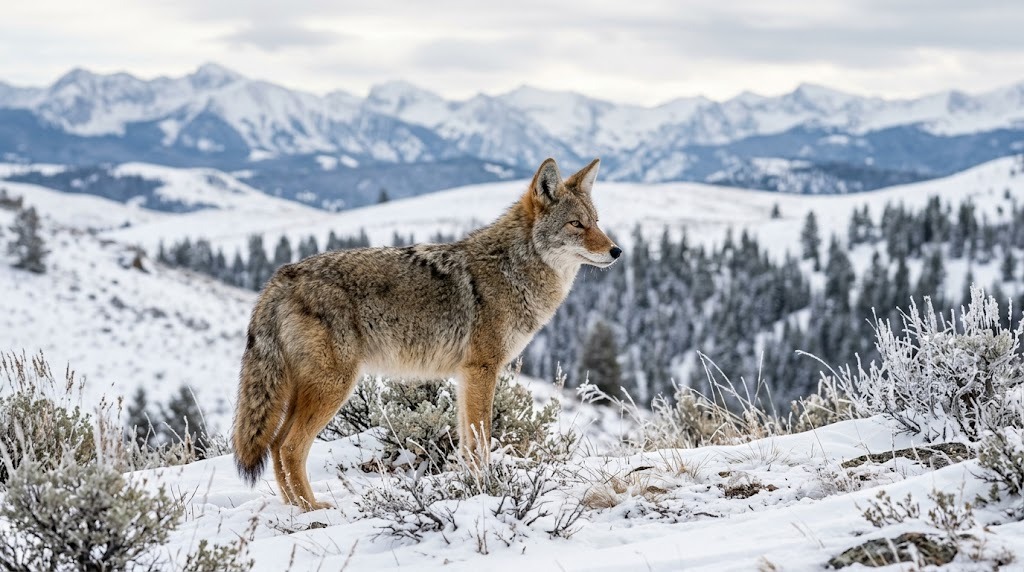 Coyote The coyote is North America's most adaptable wild predator and one of the most popular targets for varmint and predator hunters.
 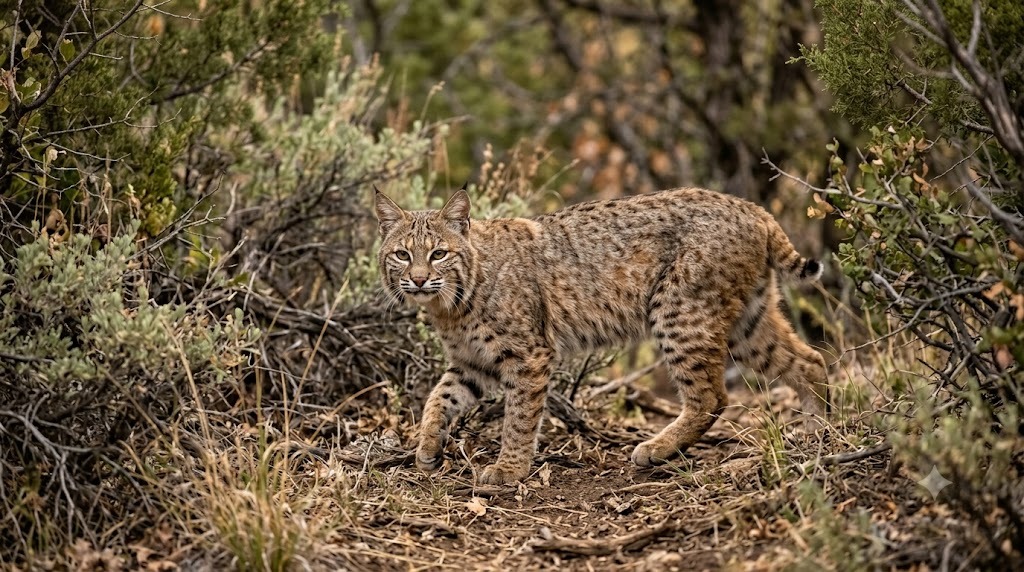 Bobcat The bobcat is North America's most widespread wild cat and a prized quarry for predator and furbearer hunters.
 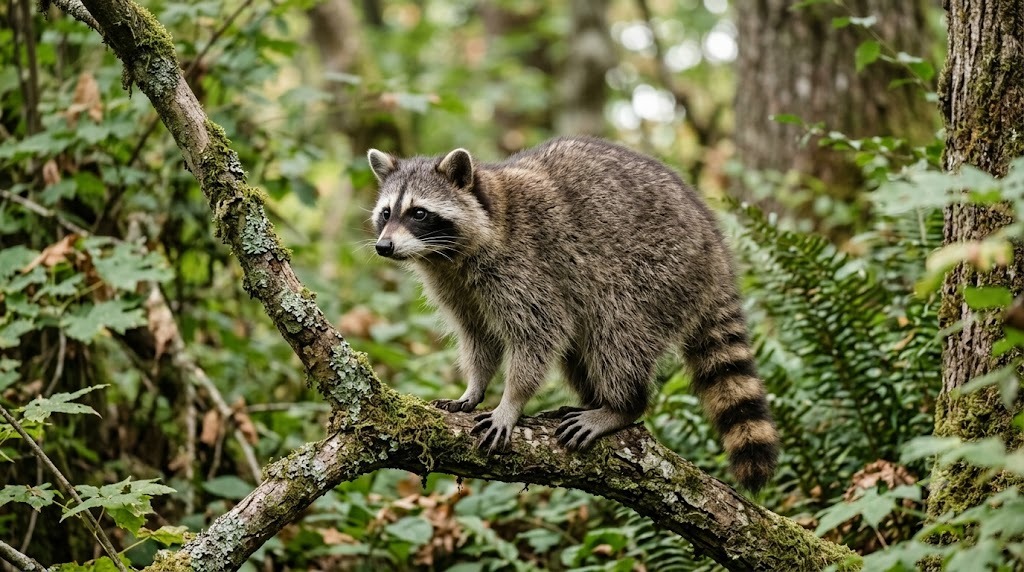 Raccoon The raccoon is one of America's most familiar mammals and a cornerstone of the country's furbearer and predator hunting tradition.
 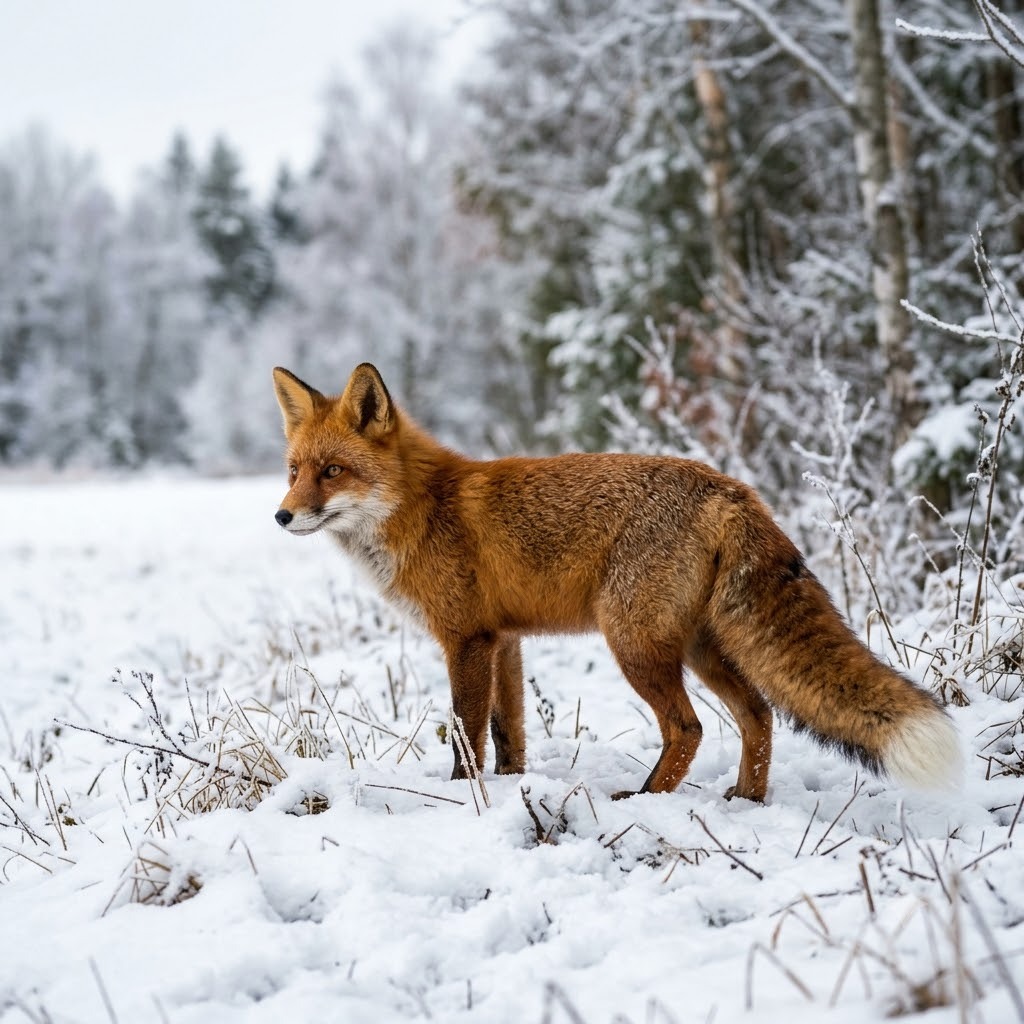 Red Fox The red fox is the classic predator and furbearer of the North American hunter's imagination - sharp, wary, and beautiful in its prime winter coat.
 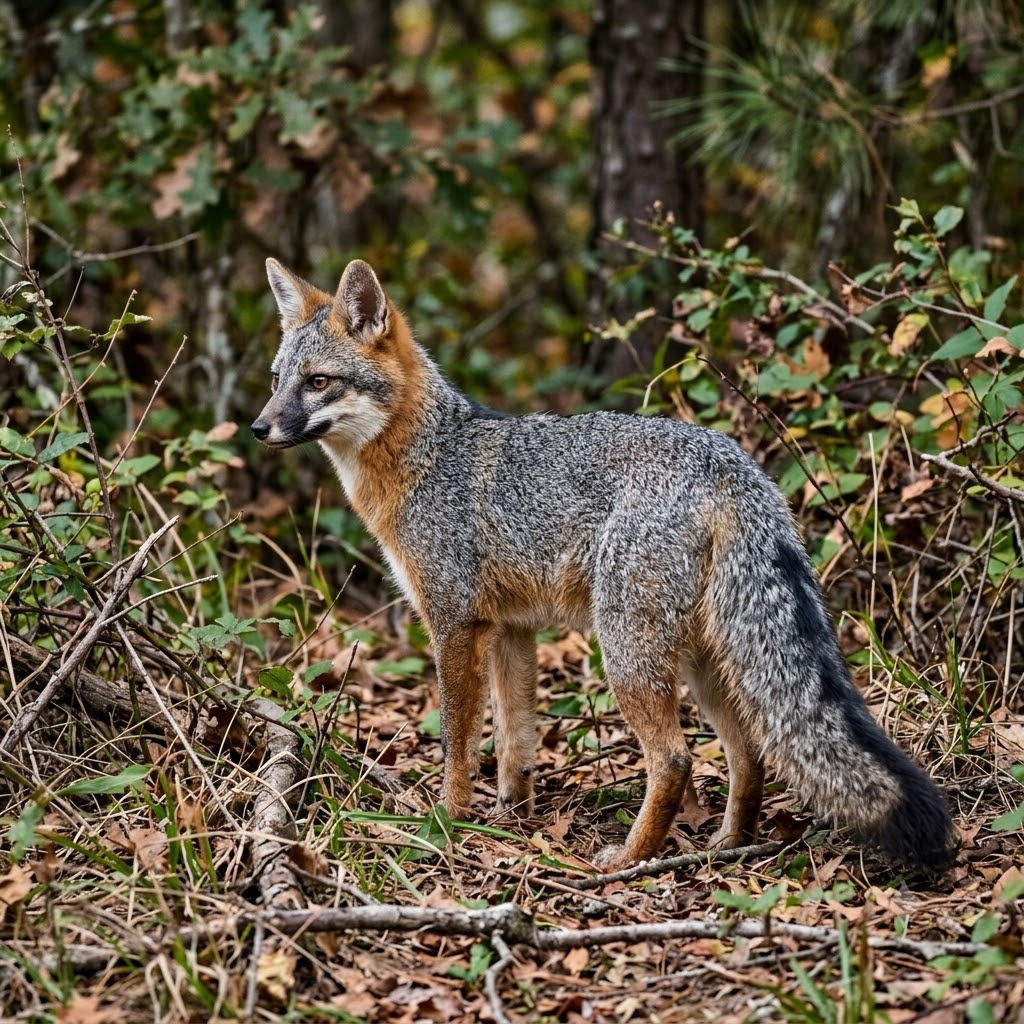 Gray Fox The gray fox is the red fox's quieter, more secretive cousin - a smaller predator of brushy woodlands that offers some of the most exciting close-range calling a hunter can experience.
 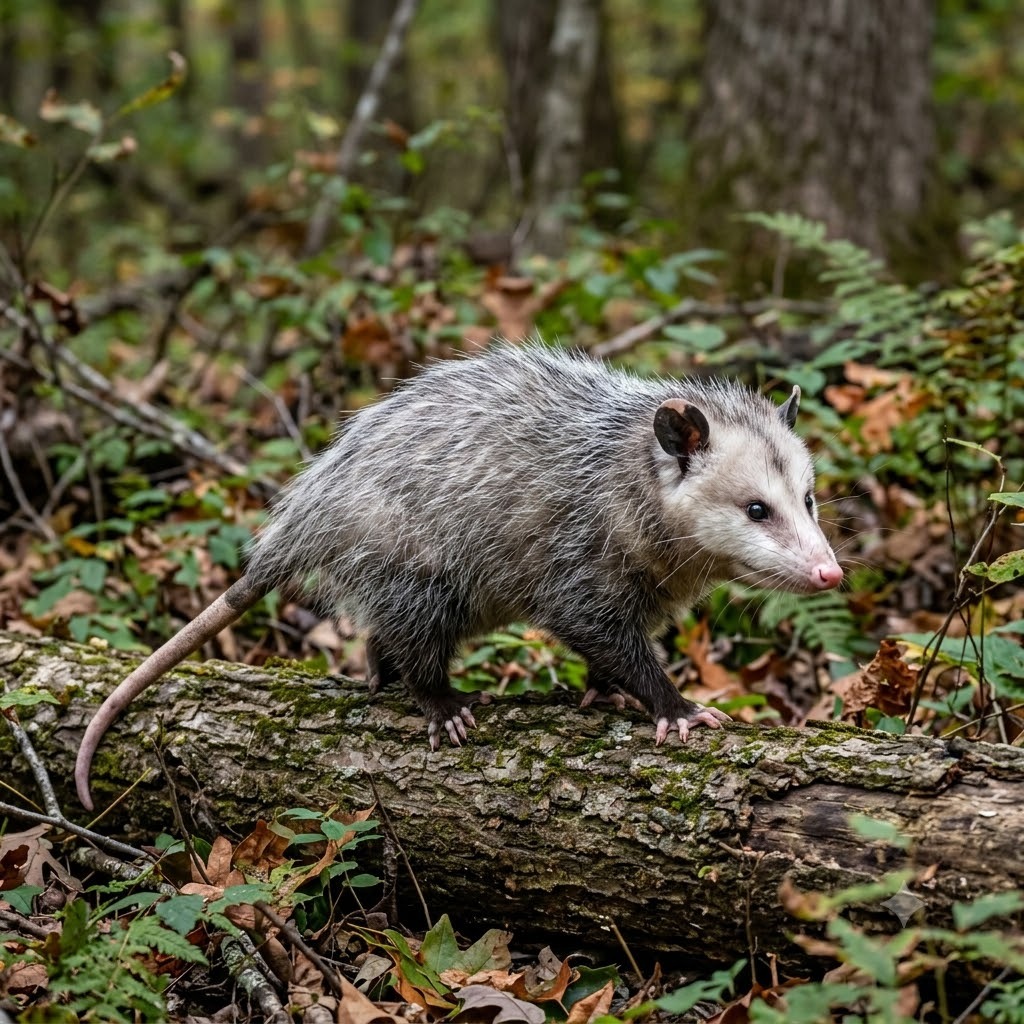 Virginia Opossum The Virginia opossum is North America's only native marsupial and one of the more unusual animals a hunter can pursue.
 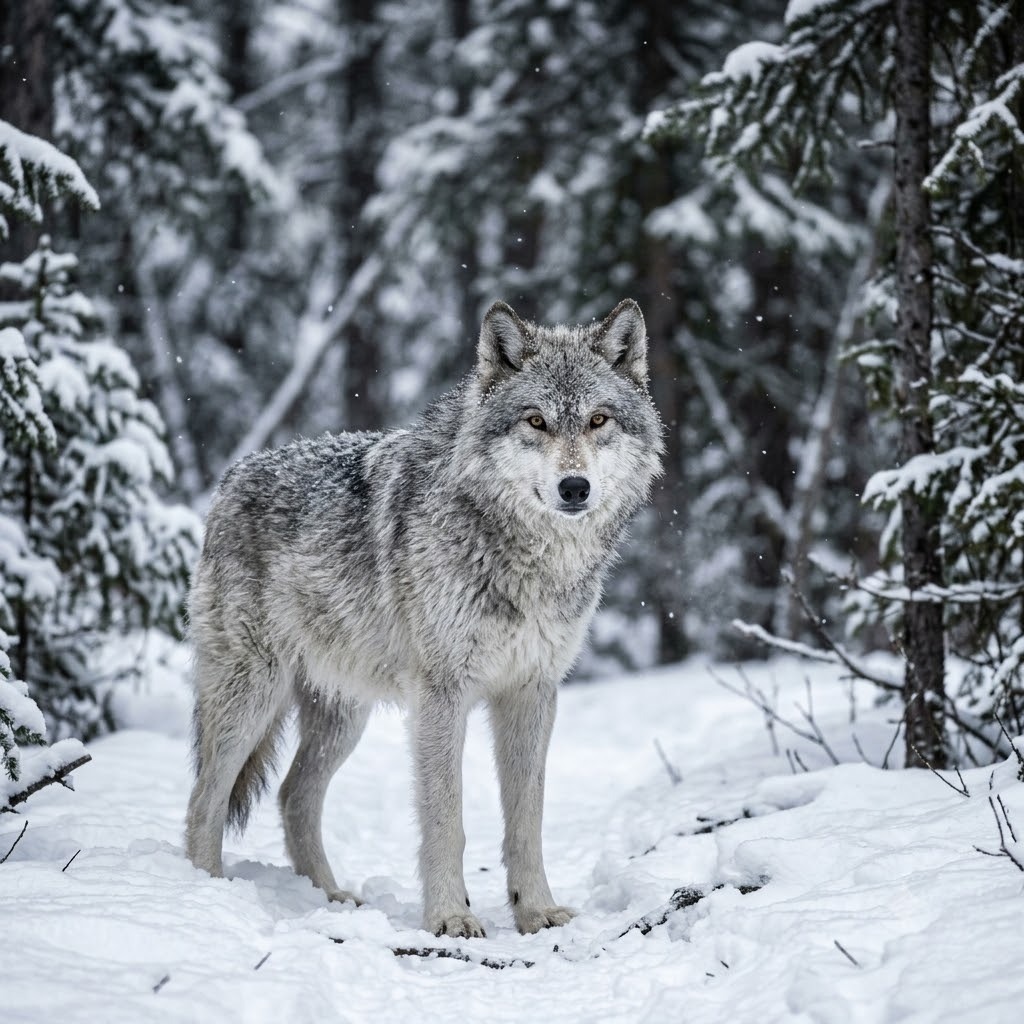 Gray Wolf In the states and provinces where populations have recovered and seasons are open, the gray wolf is one of the most challenging and tightly regulated big predators a hunter can pursue.
 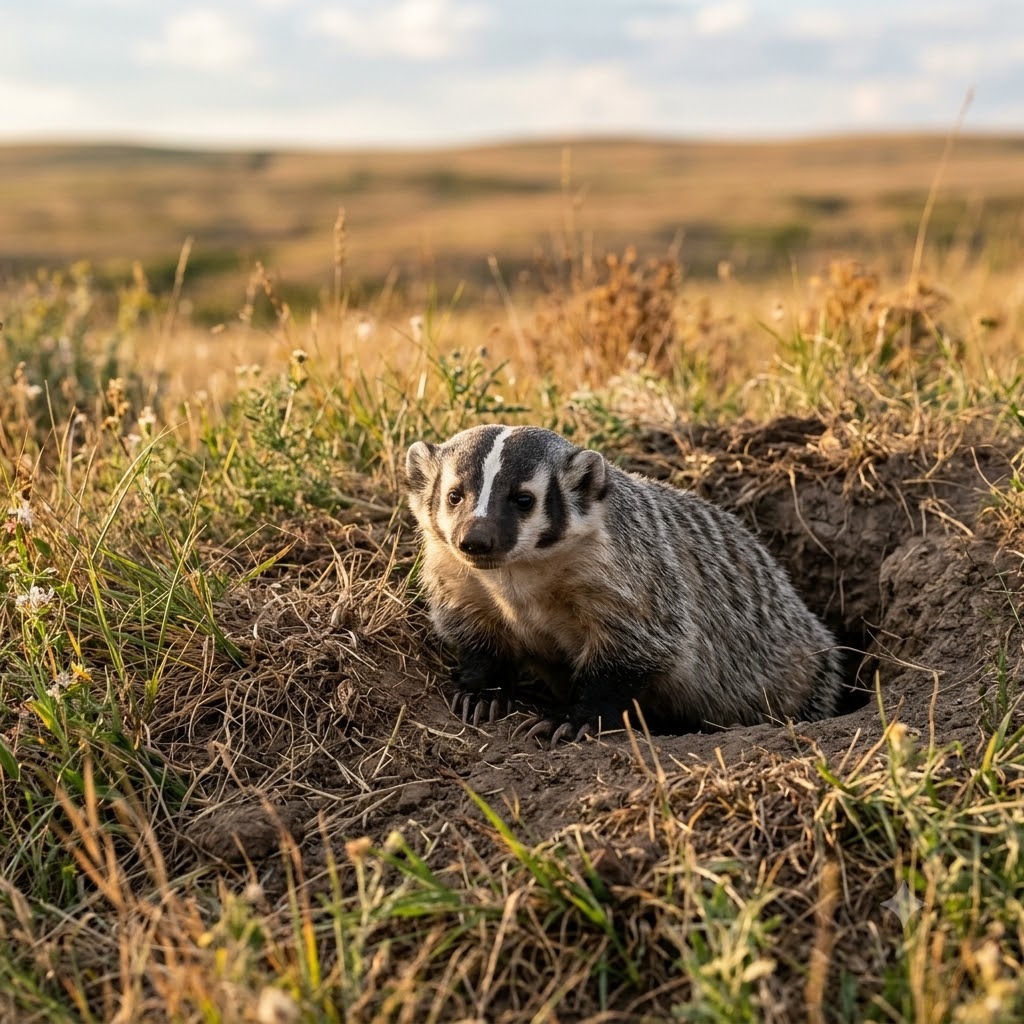 American Badger The American badger is a powerful, low-slung digging predator of the open prairies and sagebrush, taken by predator and fur hunters for its dense pelt.
 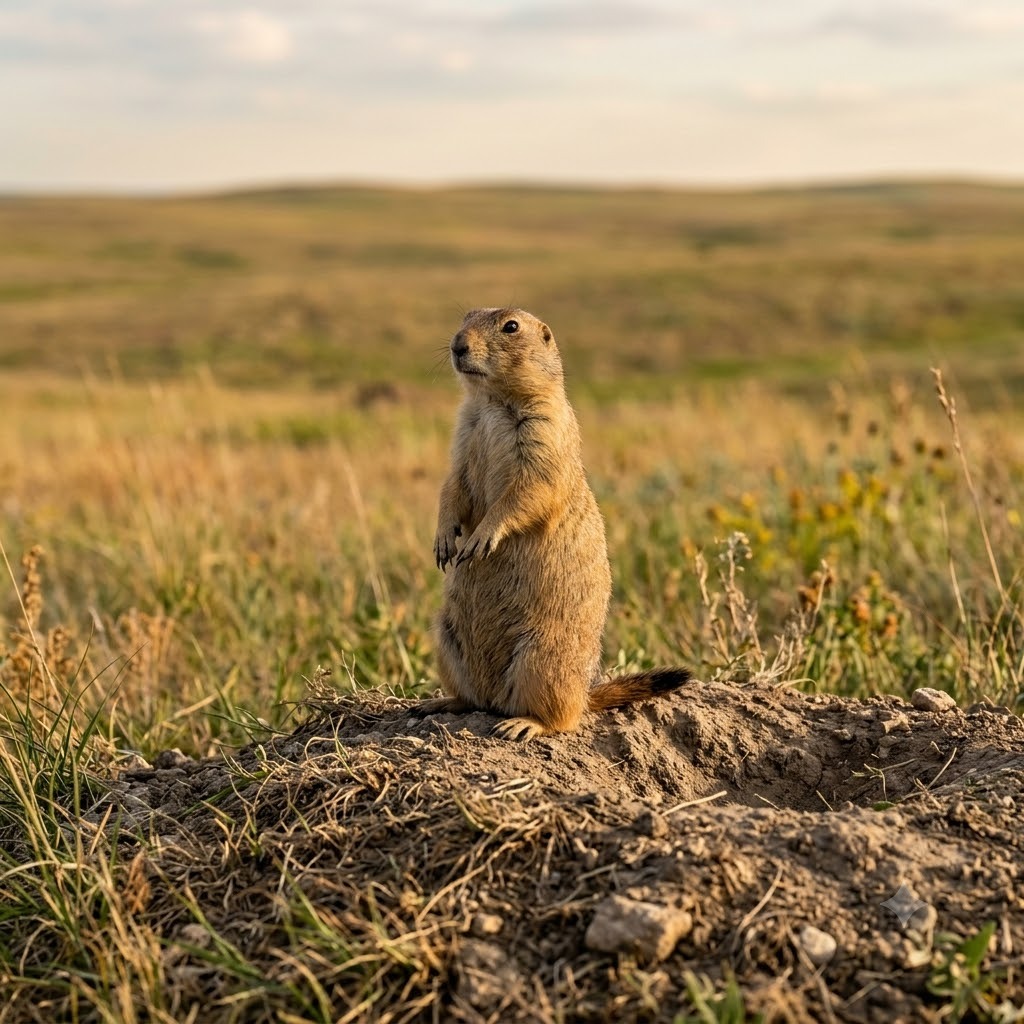 Prairie Dog The black-tailed prairie dog is the quintessential Western varmint and one of the most popular targets for long-range rimfire and centerfire shooting.
 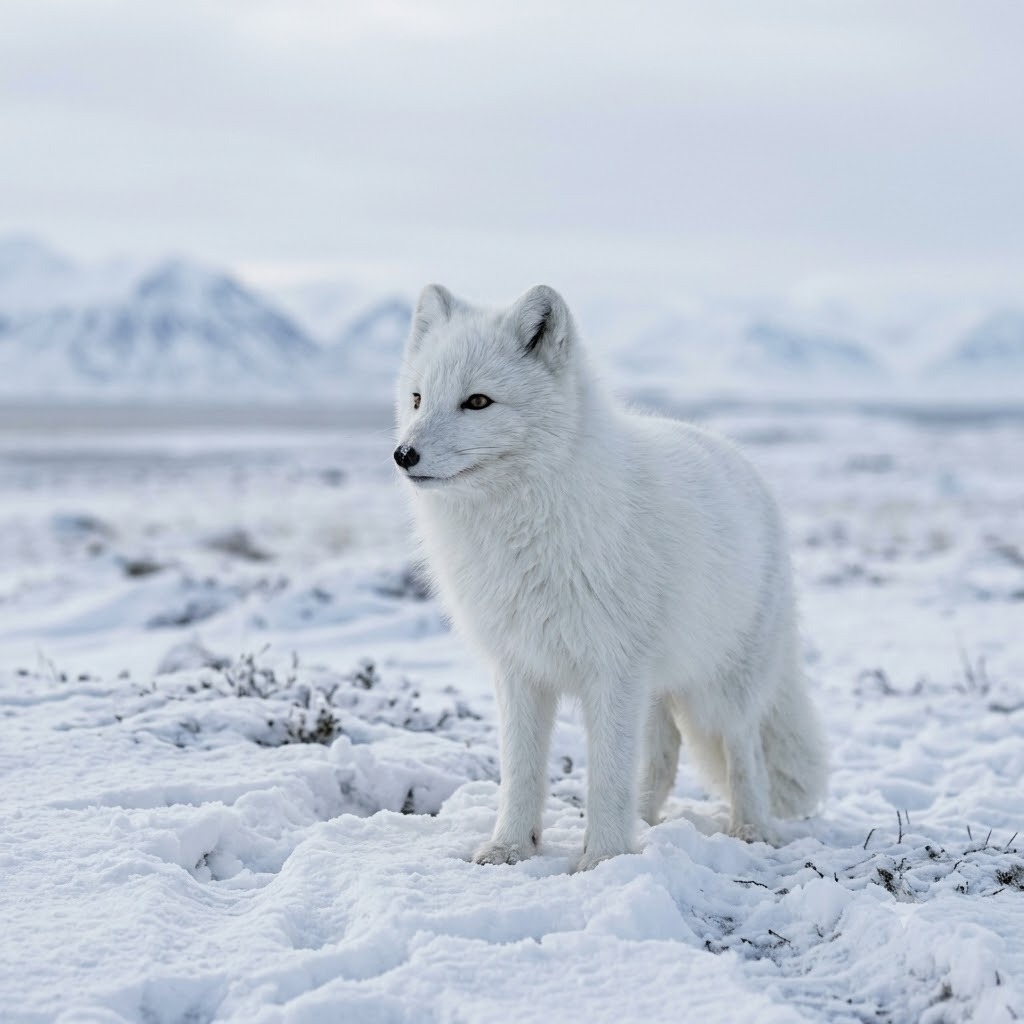 Arctic Fox The Arctic fox is a small, hardy predator of the far northern tundra and coasts, taken by northern fur and predator hunters for its dense, prized white winter pelt.
 How it's done
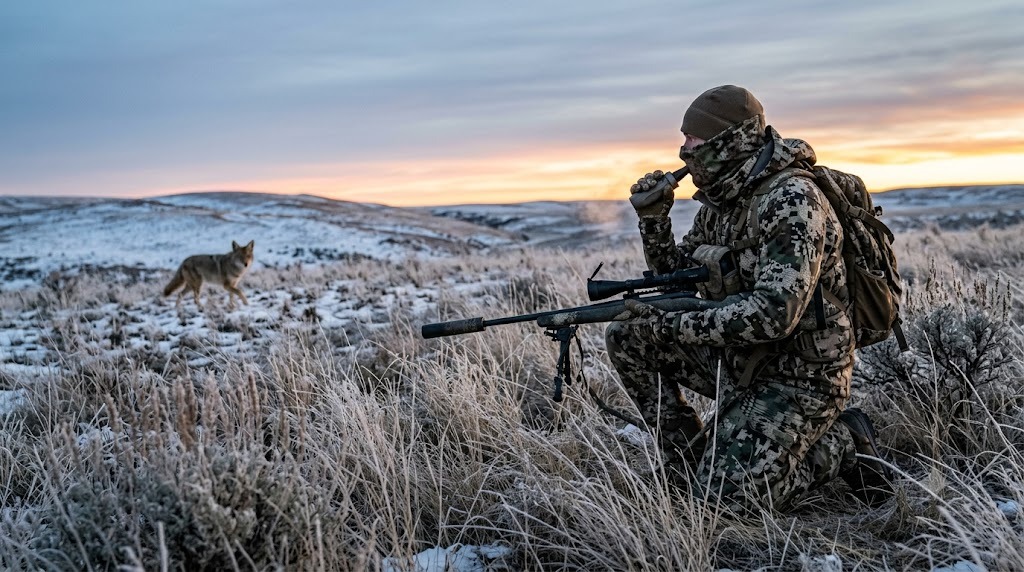
Predator hunting is mostly calling: a rabbit-in-distress squall triggers a coyote or fox's hunting drive, and howls pull territorial dogs in to investigate. Short bursts, then watch.
A predator circles downwind to scent-check the sound before it commits. Set up with the wind in your face, sun at your back, and keep your eyes hard on the downwind side - that's where it appears.
Dawn and dusk are prime. Night hunting with lights or thermal is deadly for coyotes - but only where it's legal, and the rules on this vary a lot. Check first, always.
Give a stand 15-20 minutes, then move on - predators either come quickly or not at all. Cover ground and call many spots rather than waiting out one.
Gear that matters
A mouth call is cheap and always works; an electronic caller with a remote and a decoy takes the sound away from you and adds motion. Carry both.
A fast, accurate varmint rifle handles the open shots; a tight-choked shotgun with big shot (see the choke & shot selector) is better for close, thick cover.
Predators live by nose and eyes. Full camo, a face cover, still hands and playing the wind matter more than any gadget.
Go deeper: master the calls, pick a close-range choke & shot, and check the seasons - predator rules and night-hunting laws vary widely.
⚠️ A general guide, not law. Predator seasons, methods, and especially night-hunting, calling and light/thermal rules vary enormously by state and change often - confirm the current, legal details with your wildlife agency before you hunt, and always know your target and beyond.