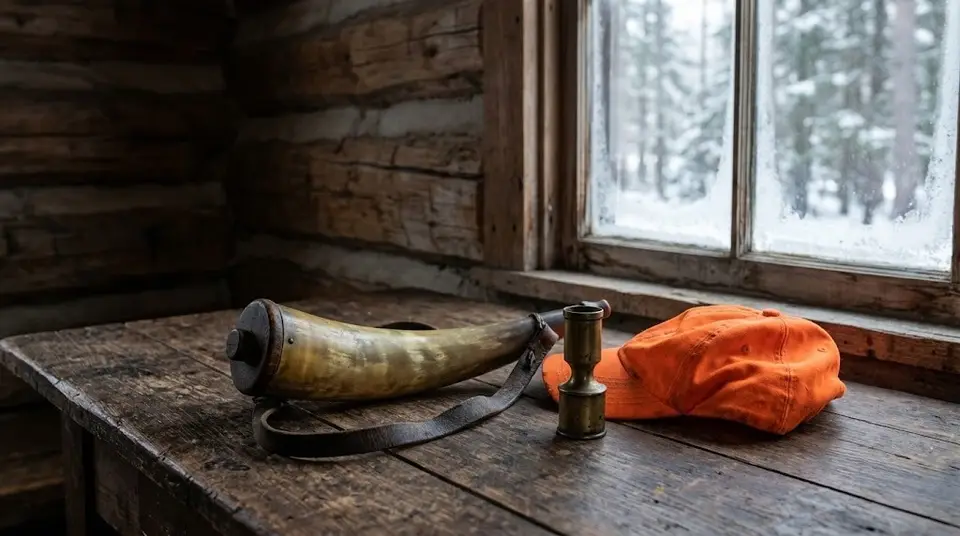
Muzzleloader Hunting: A Beginner's Guide
A reading guide for hunters new to muzzleloader seasons: how flintlock, percussion and in-line guns differ, what your state's regulations decide, and what the hunter education course says about loading, misfires, unloading and carrying a muzzleloader.
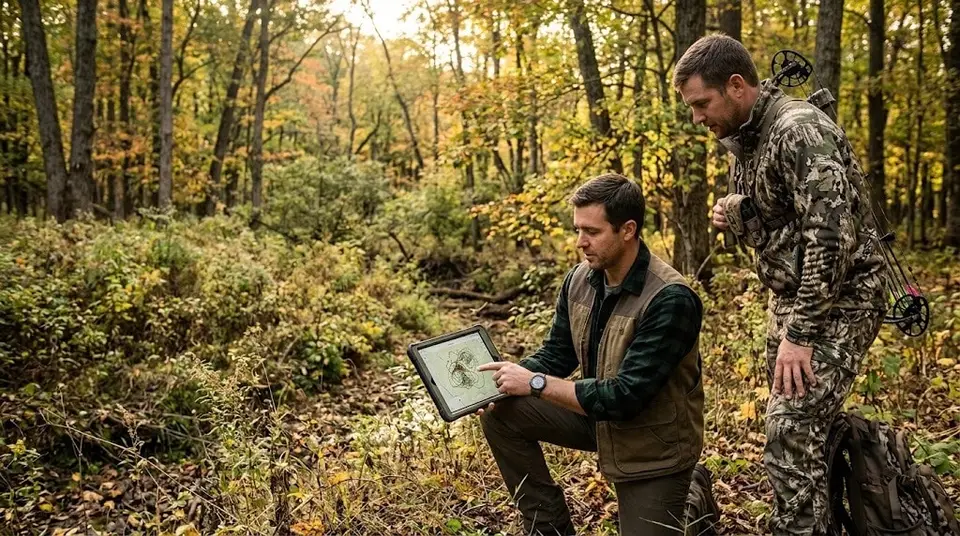
The October Lull, Explained
The mid-October slump in whitetail sightings is real for many hunters, but GPS-collar research suggests deer do not stop moving - they move differently. What changes in early to mid October, and how hunters adjust instead of waiting it out.
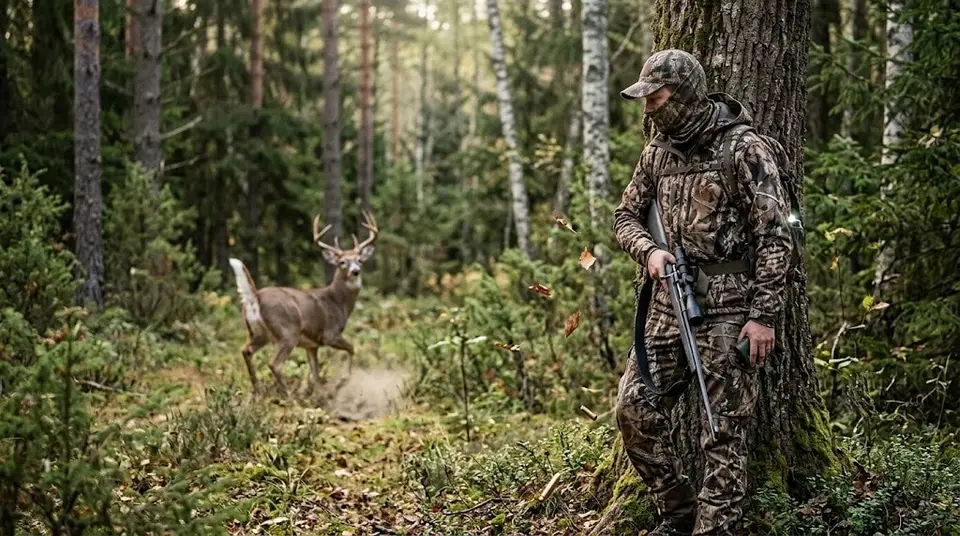
Why You Missed That Deer
Why shots at deer go wrong, from the hunter-education list: range, an alert animal, unclear vitals, fatigue and excitement, brush, moving targets, poor follow-through, and deer jumping the string. How to judge distance (including from a tree stand), and what to change, following the Alaska Bowhunter Safety Course.
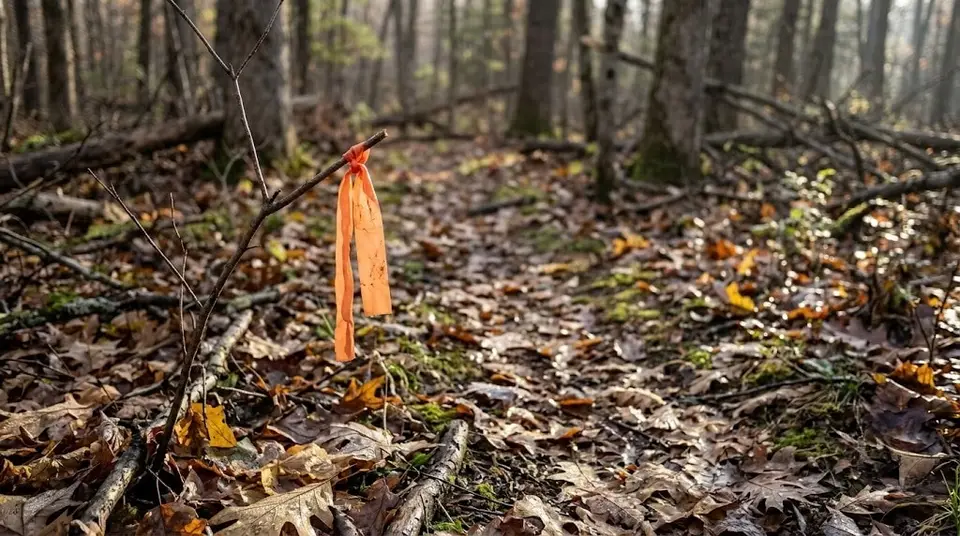
Blood Trailing A Wounded Deer
The two mistakes that are hardest to undo are made in the first twenty minutes: pushing too soon and walking on the sign. Here is how experienced trackers read the hit, how long they wait, and what the rules allow.
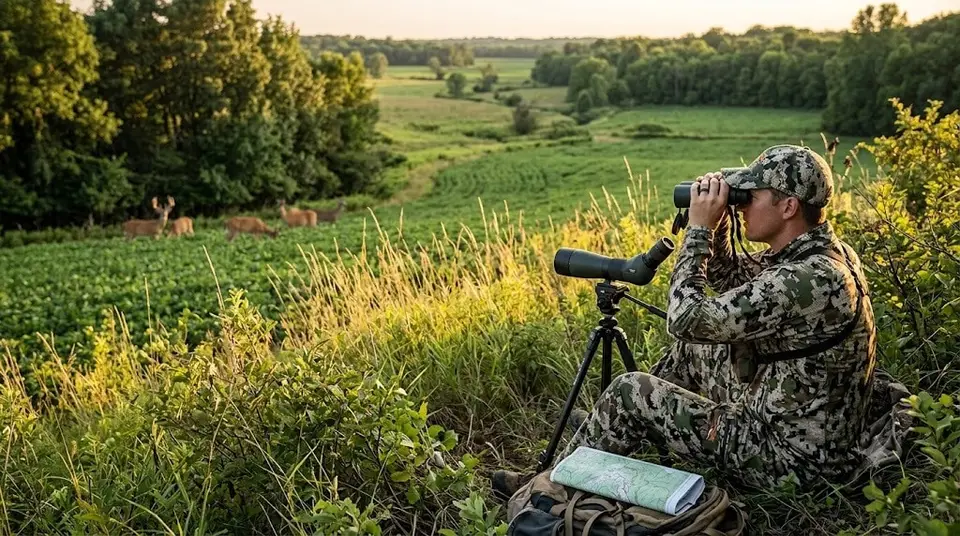
Summer Scouting for Whitetail
Summer scouting for whitetails: glassing fields from a distance at dawn and dusk, maps first, cameras with few visits, finding trails, beds and water, getting landowner permission, and what summer patterns can't tell you about fall, following the Alaska Bowhunter Safety Course, the Mule Deer Foundation and Wikipedia.
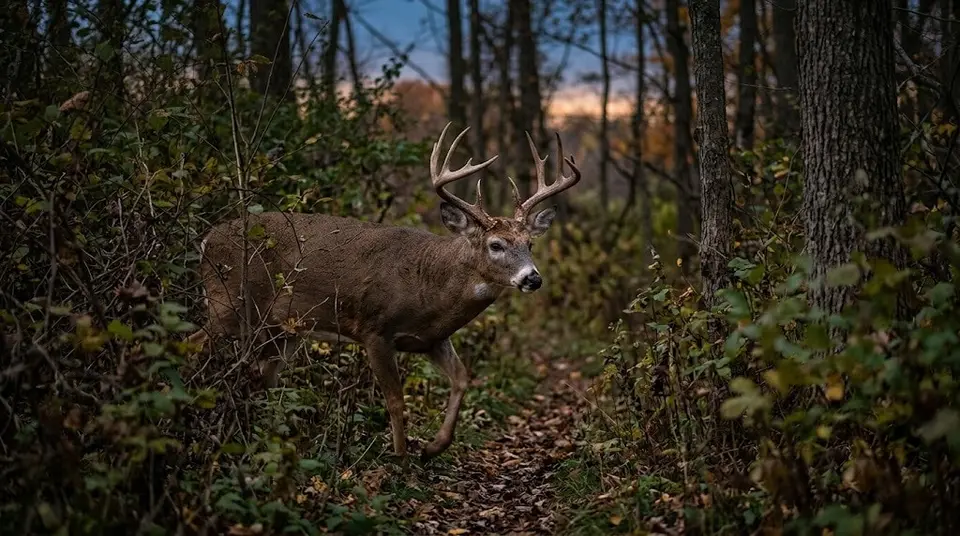
Why Bucks Go Nocturnal
The short answer: bucks don't truly become nocturnal - hunting pressure teaches them to move in the last minutes of light and shrink their daylight range. Here is what the research says and how to hunt an 'invisible' buck.