Raising Dorking Chickens
The oldest of table breeds - five-toed, short-legged, documented since Roman Britain - prized two millennia for the finest-flavored white meat in chickendom.
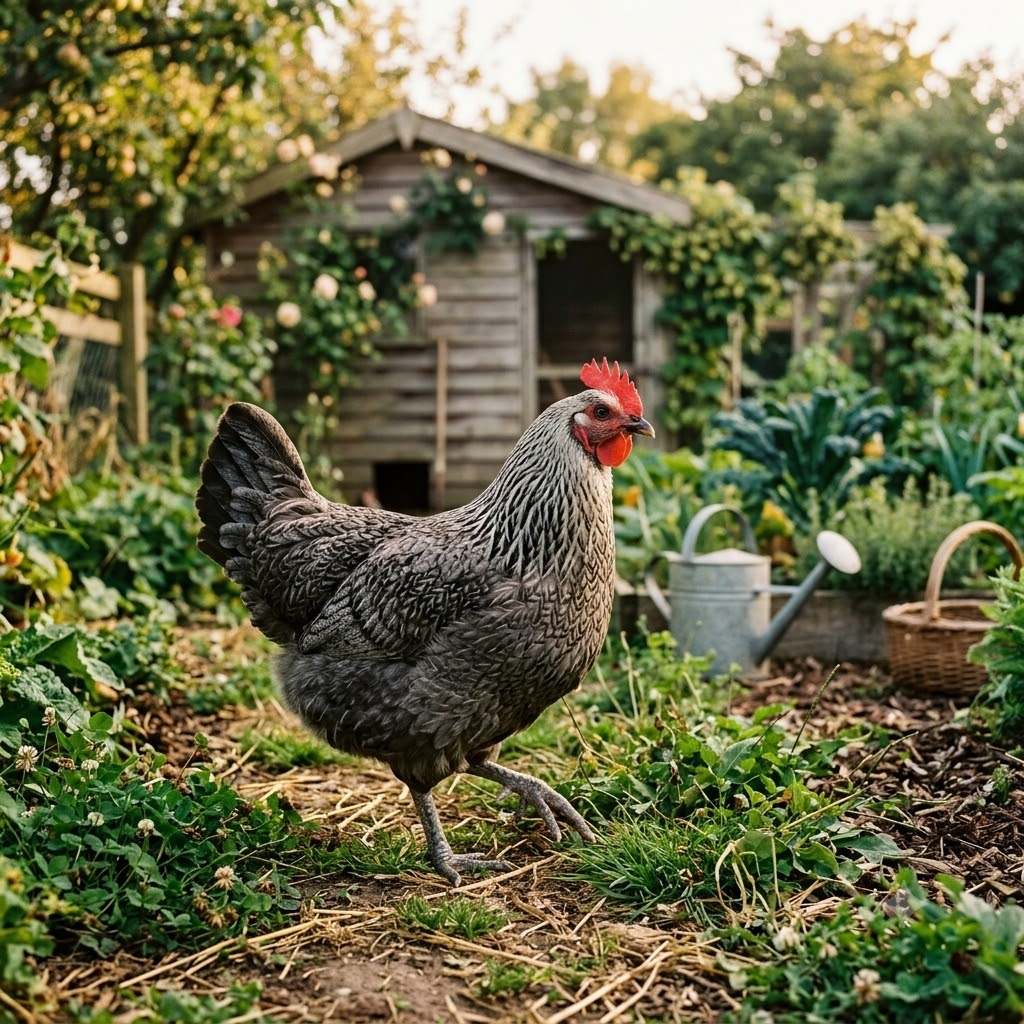
When Julius Caesar's chroniclers described British poultry, they described the Dorking's ancestors - five toes and all. Two thousand years later the breed endures for one unchanged reason: connoisseurs still rank its short-legged, deep-breasted carcass the finest-flavored chicken there is. It lays modestly, matures slowly, and rewards the patient homestead with history you can taste.
Is it right for you?
For heritage-table enthusiasts and history keepers; not for egg-focused or quick-turnaround yards.
Space & Housing
Standard coops with LOW roosts (short legs, heavy body); good foragers on range; mud-averse like most heavy breeds.
Feeding & Daily Care
Standard feeding on a slow-growth timeline; finishing table birds takes 6+ months of patience.
Getting Started
Breed-club and heritage-hatchery stock; another conservation-priority breed - buy seriously.
Health & Common Problems
Sound but slow; combs frost in hard winters (roosters especially), and the fifth toe occasionally invites minor injuries in mud.
What You Get
120-150 white eggs/year, celebrated table quality from surplus birds, calm temperaments and a direct line to Roman agriculture.
Costs & Effort
The cost is time - slow food economics with gourmet returns.
Common Mistakes
- Rushing the finish (flavor is the slow part)
- High roosts for a low-slung breed
- Letting the ancient line dead-end - breed a replacement generation
FAQ
Is the flavor really different?
Blind tastings keep saying yes - fine grain and depth modern broilers traded away. It's the Bresse conversation, in English.
Why five toes?
An ancient marker shared with Faverolles (who got it FROM Dorkings) - Roman writers noted it two millennia ago; it still verifies the breed today.
🎯 Kit for keeping poultry
Links go to Amazon or a partner store (such as OpticsPlanet) and may earn us a commission at no extra cost to you. As an Amazon Associate we earn from qualifying purchases. We link gear types, not sponsors' picks: you choose the exact product.