Hunting Water Holes & Seeps
Where water is scarce, an isolated pond, tank or hidden seep puts game on an appointment schedule - the drier the year and the more secluded the water, the better the stand.
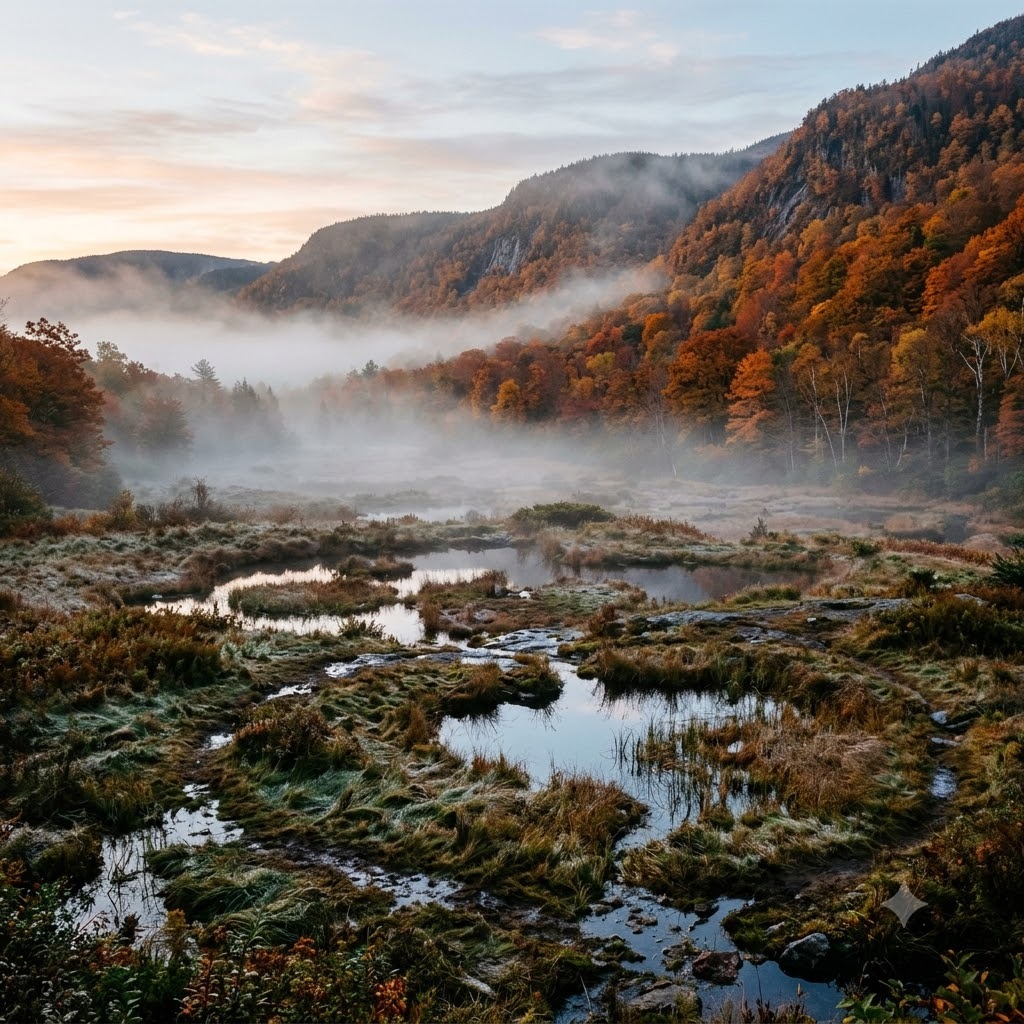
Water is the one need no animal defers for long - and where it's scarce, it becomes the most patternable resource in hunting. An isolated stock tank in dry cattle country, a hidden spring seep on a timbered ridge, the last pool in a shrinking creek: these put deer, elk and everything else on appointment schedules, especially in drought, heat, and the exertion of the rut. The seep is the sleeper - a wet spot the size of a truck hood, known to every deer on the ridge and no hunter without boots-on scouting.
What it is
Any water source whose scarcity concentrates use: ponds and stock tanks in dry range, ridge-top seeps and springs (wet leaves, muck, a trickle - often invisible on maps), pothole waters in big timber, and drought-shrunk refuges in normally wet country. Value = isolation × scarcity.
Why game is here
Necessity on a clock: in dry heat deer water daily (often before evening feeding), elk wallow and water hard in the rut, and turkeys visit like commuters. A secluded water source near bedding gets DAYLIGHT use; exposed water gets moonlight - seclusion is the entire ranking criterion.
How to hunt it
Confirm use first (tracks in the mud margin are a guest book - species, size, direction, freshness). Hunt evenings primarily (pre-feed watering), set downwind 20-40 m with the sun at your back if possible, and treat hot-weather early season and drought years as prime time. Ridge seeps near bedding can be MORNING water - the exception worth a camera.
Playing the wind
Water sits in low spots and bowls where evening air settles and pools - your scent sinks toward the water exactly when deer arrive. Beat it with a stand higher on the approach side, a crosswind that exports scent over the unused bank, and a hard rule against marginal-wind sits (the mud remembers every bust).
Finding it on a map
Tanks and ponds are obvious on aerials (mark the ones farthest from roads and houses); seeps aren't - look for tell-tale dark-green vegetation streaks on dry ridges, then walk them. In drought years, re-map: the property's water list shrinks to the two or three that matter.
Common mistakes
Hunting the big obvious pond while the hidden seep 200 m from the beds drinks all the daylight traffic, ignoring the settling-air trap, muddying the margin with your own boot prints (read the guest book from the edge), and staying loyal after rain - a wet week resets water to worthless; the pattern is scarcity's child.