Hunting Transition Lines
The seam where two habitat types meet - pines to hardwoods, thicket to open timber, cattails to brush - carries travel like a road and hides it like a wall. The edge inside the cover.
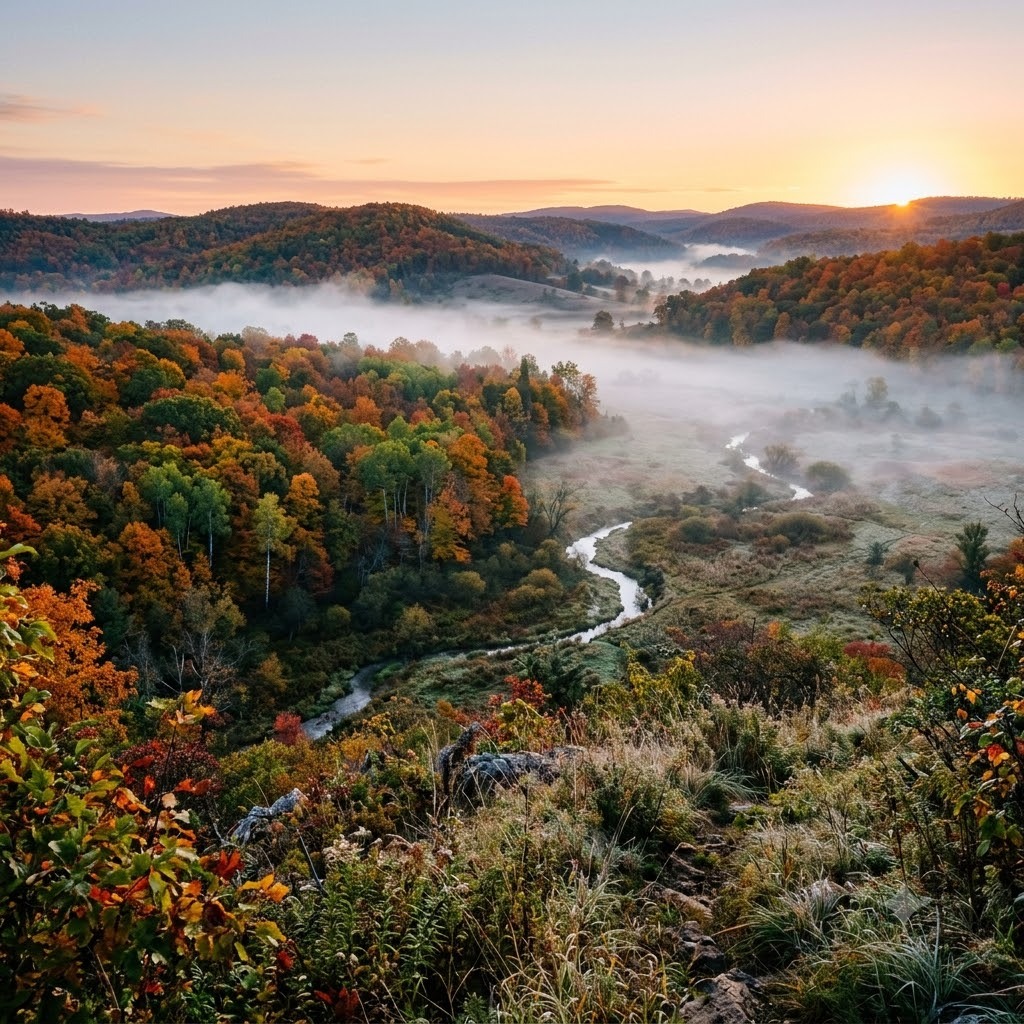
Everyone hunts the obvious edge where woods meet field; the better edges are INSIDE the cover: the seam where pine plantation meets hardwoods, where a clearcut's brush wall meets open timber, where cattail marsh gives way to willow brush. Animals travel these transition lines constantly - one side offers security, the other visibility or food, and the line itself is a navigational rail through the woods. Rub lines run them, trails shadow them, and a stand on the right seam catches traffic no field camera ever photographs.
What it is
Any abrupt habitat boundary inside larger cover: conifer/hardwood seams, thick/open lines (cut edges, blowdown fields, understory changes), wet/dry seams (marsh-to-brush, swamp edge), and age-class lines in managed timber. The sharper the contrast, the stronger the line.
Why game is here
Two-worlds economics: a deer walking the seam keeps escape cover one bound away while watching or feeding into the open side - and the line gives simple navigation (animals follow edges the way hikers follow trails). Bucks rub-line the seams between bedding thickets and feed; grouse, rabbits and predators run the same seams for their own versions of the deal.
How to hunt it
Walk promising seams once and let the sign rank them - the trail will run 5-20 m inside the THICK side, parallel to the line. Set on the open side, downwind, with lanes cutting to the trail. Junctions outrank straightaways: where a transition line crosses a creek, meets a fence, or intersects another seam, you've stacked two features.
Playing the wind
The open side placement is wind logic: your scent stays in the open habitat while deer travel the thick margin - a crosswind along the seam is the textbook setup. Thermals still apply on sloped seams (a sidehill pine/hardwood line hunts like a bench trail).
Finding it on a map
Aerials render habitat seams beautifully: color and texture changes (dark conifer vs gray hardwood, smooth field vs mottled brush) trace every line on the property. Mark the seams connecting known bedding to known feed, and every junction of two seams - then one walk confirms which carry the trail.
Common mistakes
Hunting only the woods/field edge while the parallel inner seam carries the daylight travel, setting up in the thick side (no visibility, close-quarters busts), ignoring subtle seams (an understory change deer respect can be invisible at eye level - the map sees it better), and forgetting seams shift with logging, storms and beaver work; re-read the property each year.