Hunting Oak Flats
Level stands of mature oaks raining acorns turn into October's dinner table - but WHICH oak is dropping decides everything, and boots under the trees beat theories every time.
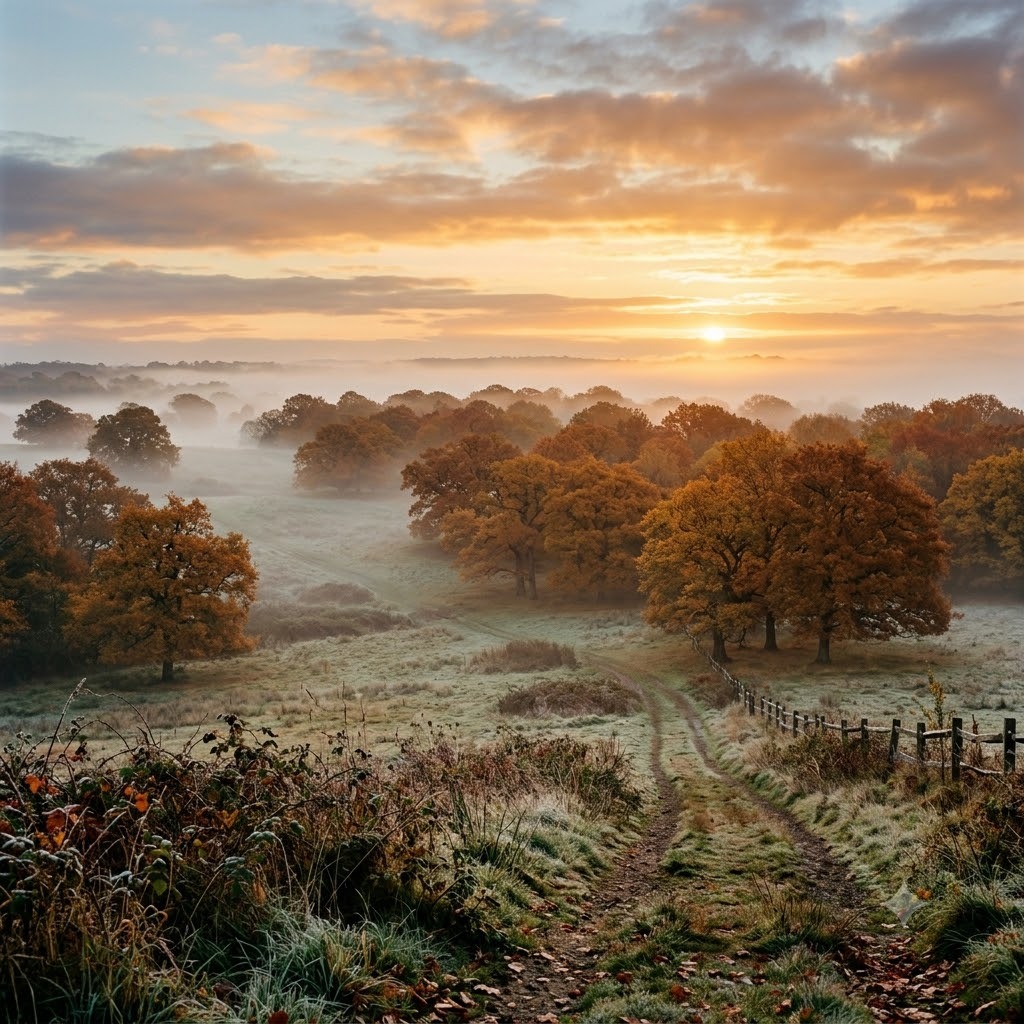
When the acorns start dropping, food plots go quiet and the herd goes to the oaks - and the oak FLAT, level ground under mature mast trees, is where they linger. But 'the oaks' is not a spot: in any given October, a handful of individual trees are dropping heavily while their neighbors rest, white oaks empty before reds, and the deer know tree-by-tree. The flat is a pattern that must be scouted fresh each fall, boots on the ground, ears open for the patter of falling mast and eyes on the fresh-turned leaves beneath the one tree that matters this week.
What it is
Level or gently rolling ground under mature oak canopy - a bench flat, a bottomland stand, a ridge-top plateau - where acorns accumulate where they fall instead of rolling downhill, and deer can feed relaxed on flat footing.
Why game is here
Acorns are the fall's calorie king (white oak's low-tannin sweetness first, red oak's later and longer), and a producing flat concentrates feeding the way a bait pile would - legally and naturally. Turkeys, hogs, squirrels and bears compete for the same table, and their noise is your scouting intel.
How to hunt it
Find the HOT tree, not the species: fresh caps, shattered shells, turned leaves and droppings under one canopy = this week's stand. Hang downwind 20-30 m off the sign, hunt it NOW (hot trees go cold in days as mast exhausts), evenings on flats near bedding, mornings on flats en route back to it.
Playing the wind
Flats are terrain-quiet, so wind plays straighter than in hills - but feeding deer mill unpredictably in all directions for an hour+, so your scent cone must stay clean of the WHOLE flat, not just the trail in. Bigger setback, higher stand, and thermals still rule morning/evening on sloped approaches.
Finding it on a map
Aerials in leaf-off show oak crowns (broad, gray-limbed) versus pine and understory; contours find the flats and benches under them. Mark every oak flat within 200 m of known bedding - then let October's boots-and-ears scouting rank them; the map only nominates candidates.
Common mistakes
Hunting 'the oaks' generically instead of the one dropping tree, scouting so hard you evict the pattern (check flats at midday, quickly), staying loyal to last week's dead tree, and ignoring the red-oak late season - when the sweet whites are gone, the bitter reds become the only game in town.