Hunting Funnels & Pinch Points
Anywhere wide habitat necks down - brush strips between fields, bluff-to-creek gaps, fence gaps, saddle floors - movement concentrates. The master concept behind every terrain stand.
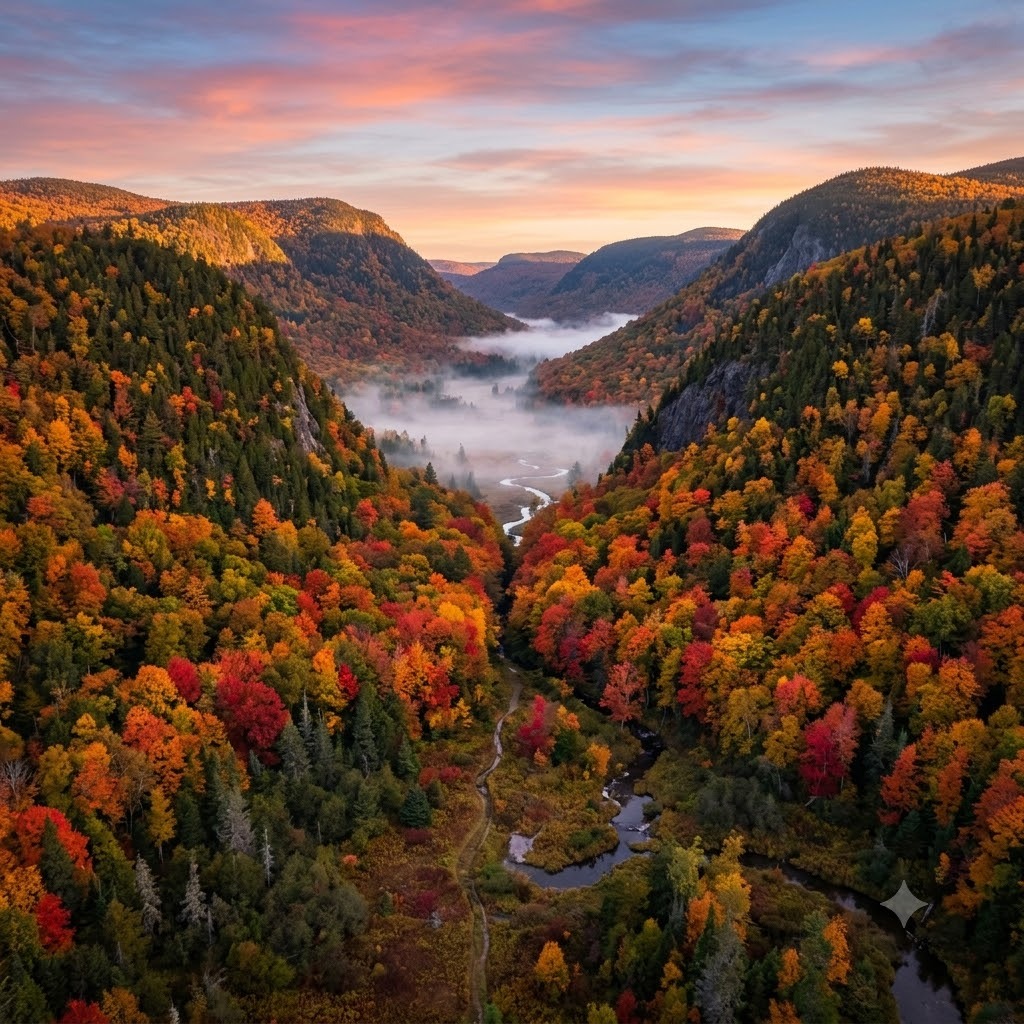
Strip away the jargon and almost every great stand site is one thing: a funnel - a place where wide country necks down and forces moving animals through a narrow lane. Saddles are ridge funnels; crossings are creek funnels; but the family is endless: the brushy fencerow linking two woodlots, the 40-meter gap between a bluff and a creek, the dry strip through a marsh, the gap where a fence crosses a washout. Funnel-thinking is the transferable skill - learn to see necking-down on any map and you can find stands in country you've never walked.
What it is
Any linear constriction of usable habitat or terrain that concentrates travel: cover funnels (habitat narrows), terrain funnels (topography forces the line), and barrier funnels (obstacles - rivers, bluffs, fences - leave one practical gap).
Why game is here
Animals move point-to-point using cover and easy grades; where the options collapse to one lane, every route through the area overlays into it. A funnel doesn't attract game - it CONCENTRATES game that was moving anyway, which is why funnels shine precisely when movement peaks (the rut, weather fronts, pressure pushes).
How to hunt it
Downwind side, 15-25 m off the lane's edge, entry that never crosses the lane itself. Rank funnels by what they connect: bedding-to-feed funnels are evening/morning stands; bedding-to-bedding funnels are rut all-day sits. The narrower and the more connected, the better.
Playing the wind
Funnels usually allow only one or two stand-side winds - accept it and wait for them rather than burning the spot on a marginal wind. Barrier funnels (bluff/creek) often have predictable channelled wind; cover funnels in the open swirl less than timber ones.
Finding it on a map
Aerials are the funnel tool: squint until the cover reads as shapes and mark every point where green necks between wide blocks. Then overlay contours for terrain funnels (saddle floors, bench pinches, bluff gaps). The best marks are where BOTH agree - a cover neck lying in a terrain pinch.
Common mistakes
Hunting a funnel when nothing's moving (it multiplies traffic, not desire - calm October lulls beat you), setting inside the lane, over-hunting the one great funnel until it's schooled, and missing micro-funnels - a single downed treetop diverting a trail 20 m is a pinch too.