Skinning Knife
A wide, deep-bellied blade with a sweeping curve and often a rounded tip - built to peel hide off a carcass in long strokes without punching through the meat.
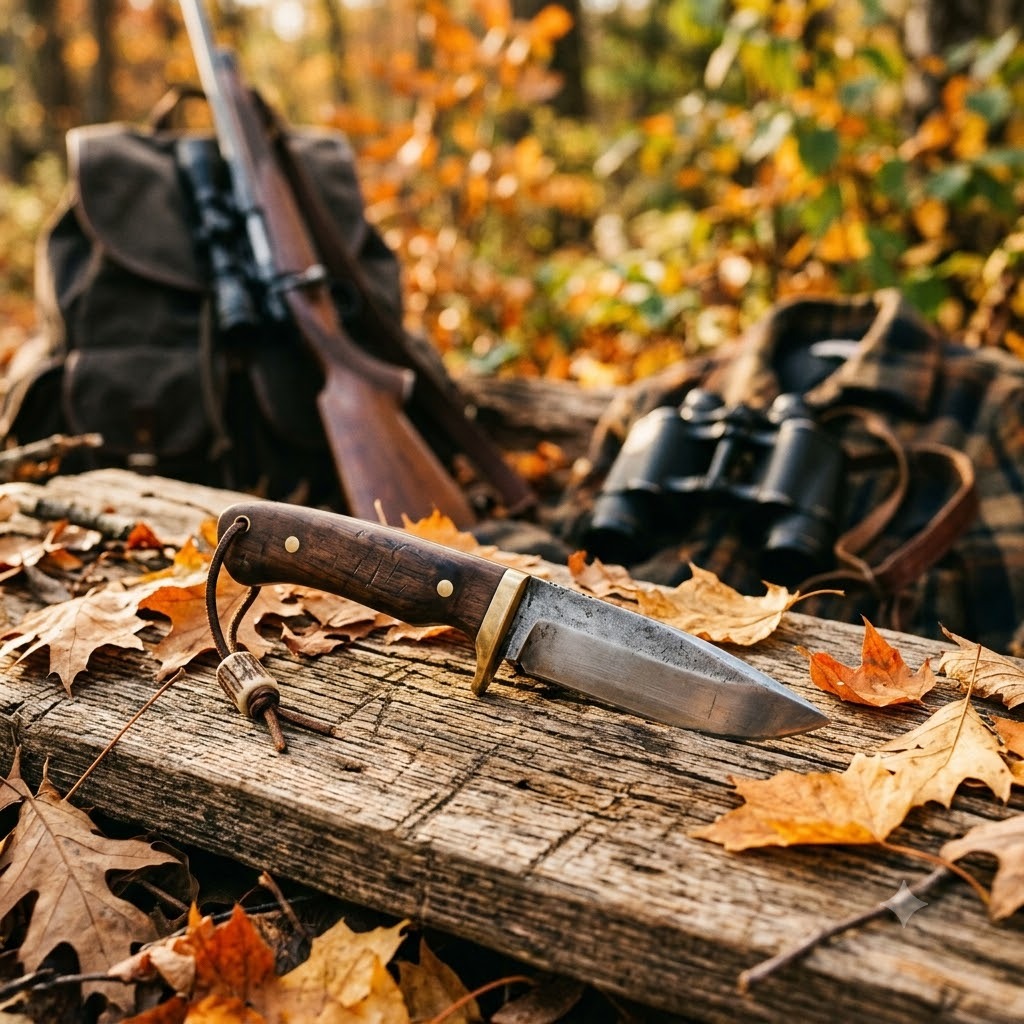
Skinning is a sweeping, peeling job, and the skinning knife is shaped for it: a broad blade with a pronounced curved belly (and frequently a blunt or rounded tip) that rides the plane between hide and meat, separating them in long clean strokes. The deep belly does the work; the safe tip means you can push hard along the body without stabbing through into muscle.
⚠️ Sharp tools, real cuts. A sharp knife is safer than a dull one - it goes where you aim instead of skidding - but it also punishes a slip. Cut away from your body and your holding hand, keep a wet/greasy handle under control, wear a cut-resistant glove on the non-knife hand when boning or caping, and keep blades away from children. This is general guidance, not a substitute for hands-on instruction.
What it is
A wide blade with a deep sweeping belly and often a rounded/blunted tip, optimised for peeling hide off a carcass in long strokes.
What it does best
Hide removal at speed: long belly strokes separate skin from the fascia and meat, while the safe tip lets you bear down without piercing the carcass. Some designs add a gut hook.
How to use it
Tension the hide with one hand and sweep the belly along the separation plane, letting the curve do the cutting; use short tip work only where needed. Keep the edge angled slightly into the hide, not the meat.
Choosing one
A 8-11 cm deep-bellied blade in stainless for easy cleanup; a slightly rounded tip is the skinner's signature. Replaceable-blade skinners exist for a permanently keen edge on tough hides.
Care & sharpening
Hide dulls edges fast - expect frequent stropping mid-job; a fine stone at ~20° restores it. Clean thoroughly (hair and fat clog the belly).
Common mistakes
Using a straight-bladed knife (fights the curve of skinning), cutting into the meat with a too-pointed tip, and letting the edge dull halfway through a hide.
🔪 Brand-free guidance, not product recommendations. Sharp tools cause real cuts - cut away from your body and holding hand, use a cut-resistant glove for boning/caping, and keep blades from children. This is general education, not hands-on instruction.