Replaceable-Blade Knife
A handle that takes disposable scalpel-sharp blades - snap out a dull one, snap in a fresh razor edge, and never sharpen in the field again. The modern processing favourite.
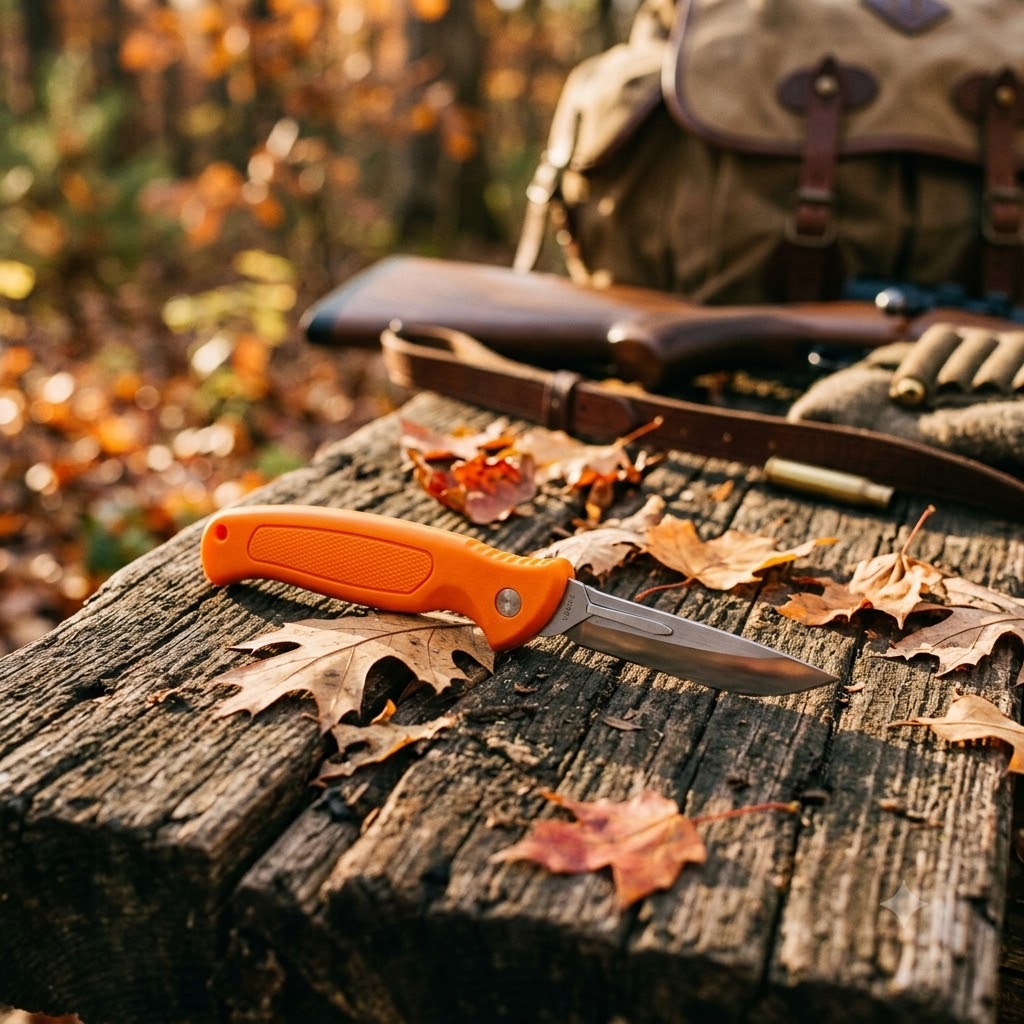
Replaceable-blade knives borrow the surgeon's idea: a comfortable handle and cheap, disposable, scalpel-sharp blades. When an edge dulls on hide or bone, you don't sharpen - you snap in a fresh blade and keep cutting at full sharpness. For field dressing, skinning and especially caping, the constant razor edge is transformative, and a pack of blades weighs nothing. The trade is toughness and the small ritual of blade changes.
⚠️ Sharp tools, real cuts. A sharp knife is safer than a dull one - it goes where you aim instead of skidding - but it also punishes a slip. Cut away from your body and your holding hand, keep a wet/greasy handle under control, wear a cut-resistant glove on the non-knife hand when boning or caping, and keep blades away from children. This is general guidance, not a substitute for hands-on instruction.
What it is
A knife with a handle designed to accept disposable replaceable blades (drop-point, skinning, caping shapes) that snap in and out - always sharp, never sharpened.
What it does best
Any cutting where a razor edge matters and toughness doesn't: field dressing, skinning and precision caping shine, since a fresh blade is always available. Popular with backcountry hunters for the weight-to-sharpness ratio.
How to use it
Cut normally; when the edge slows, swap the blade (following the maker's safe-change method - blades are surgical-sharp). Carry several blades in their sleeves. ⚠️ Changing blades is where cuts happen - go slow and deliberate.
Choosing one
Pick a system with a secure blade lock and blades matched to your tasks; ensure you can change blades with cold hands. Not the blade for prying or heavy chopping - those snap disposable blades.
Care & sharpening
No sharpening - just replace. Keep spare blades dry, dispose of old blades safely (a container, not loose in a pack), and wipe the handle down.
Common mistakes
Prying or chopping with a disposable blade (it snaps), careless blade changes (a classic cut source), and running out of spare blades in the field.
🔪 Brand-free guidance, not product recommendations. Sharp tools cause real cuts - cut away from your body and holding hand, use a cut-resistant glove for boning/caping, and keep blades from children. This is general education, not hands-on instruction.