Caping Knife
A short, fine, maneuverable blade for the delicate detail work of caping - skinning around the head, eyes, ears and lips to save a trophy for the taxidermist.
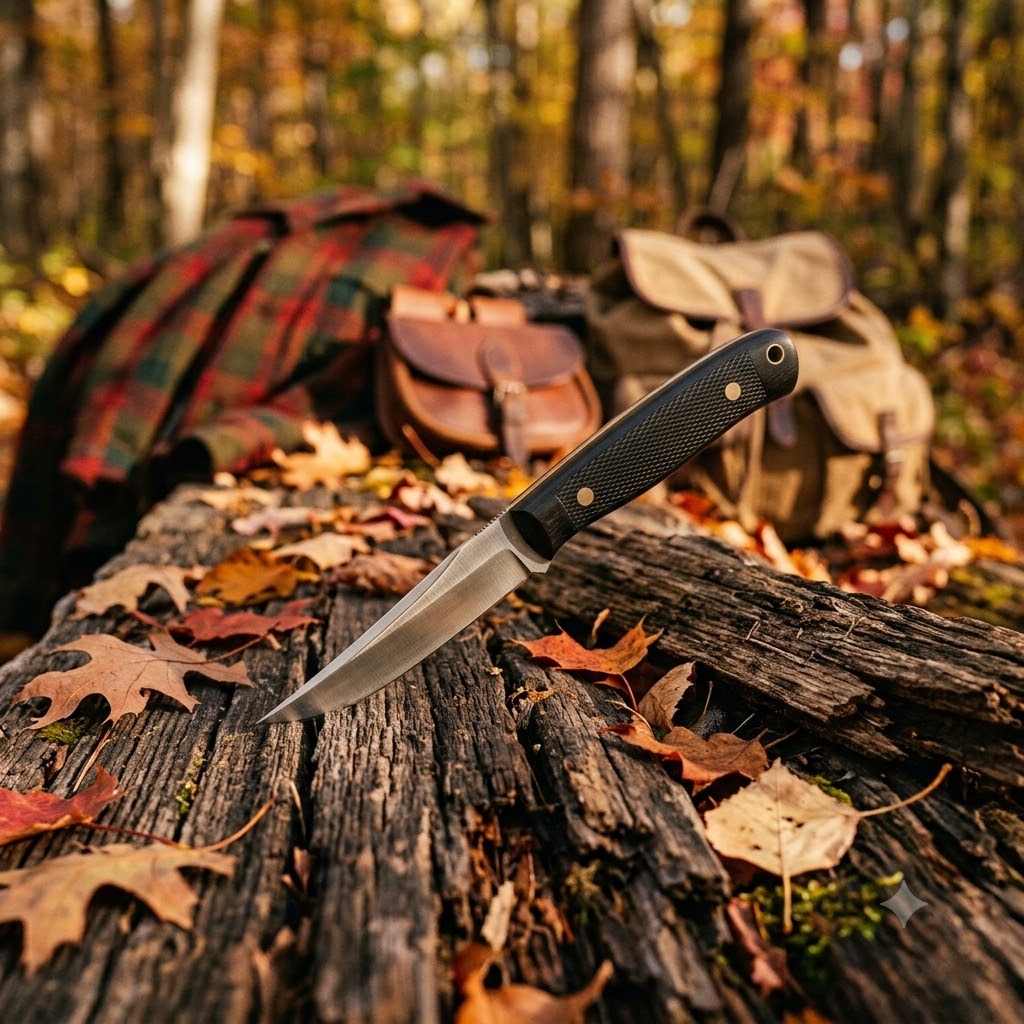
Caping is precision skinning around the skull to preserve the cape for a shoulder mount, and it's no job for a big field knife. The caping knife is short (5-6 cm), fine-tipped and nimble, made for close control around the eyes, ears, nostrils and lips where a wrong cut ruins the mount. If a trophy is on the table, this small blade is the one that saves it.
⚠️ Sharp tools, real cuts. A sharp knife is safer than a dull one - it goes where you aim instead of skidding - but it also punishes a slip. Cut away from your body and your holding hand, keep a wet/greasy handle under control, wear a cut-resistant glove on the non-knife hand when boning or caping, and keep blades away from children. This is general guidance, not a substitute for hands-on instruction.
What it is
A small, fine-pointed, highly controllable knife for detailed skinning work around a trophy animal's head and cape.
What it does best
Delicate caping cuts: separating hide from skull, working around eyes, ears, lips and nose without slicing through the cape - the fiddly work that decides whether a taxidermist can do their job.
How to use it
Short, controlled strokes with the tip, tension on the hide with the other hand, and patience - cape from the shoulders forward and leave plenty of hide (the taxidermist can trim, not add). Follow trophy-care guidance for exactly where to cut.
Choosing one
Small fixed blade or replaceable-blade caper; a fine point and comfortable pinch grip matter more than size. Some hunters use a replaceable-blade knife as a caper for its constant razor edge.
Care & sharpening
Keep it surgically sharp - caping demands it; a fine stone and strop, or a fresh replaceable blade each session. Clean and dry immediately.
Common mistakes
Caping with too big a blade (ruins the mount), cutting too close and holing the cape, not leaving enough hide, and working with a less-than-razor edge.
🔪 Brand-free guidance, not product recommendations. Sharp tools cause real cuts - cut away from your body and holding hand, use a cut-resistant glove for boning/caping, and keep blades from children. This is general education, not hands-on instruction.