Bone Saw
A compact saw for the jobs a knife shouldn't do - splitting the pelvis or sternum, quartering, and cutting through bone cleanly instead of prying and chipping.
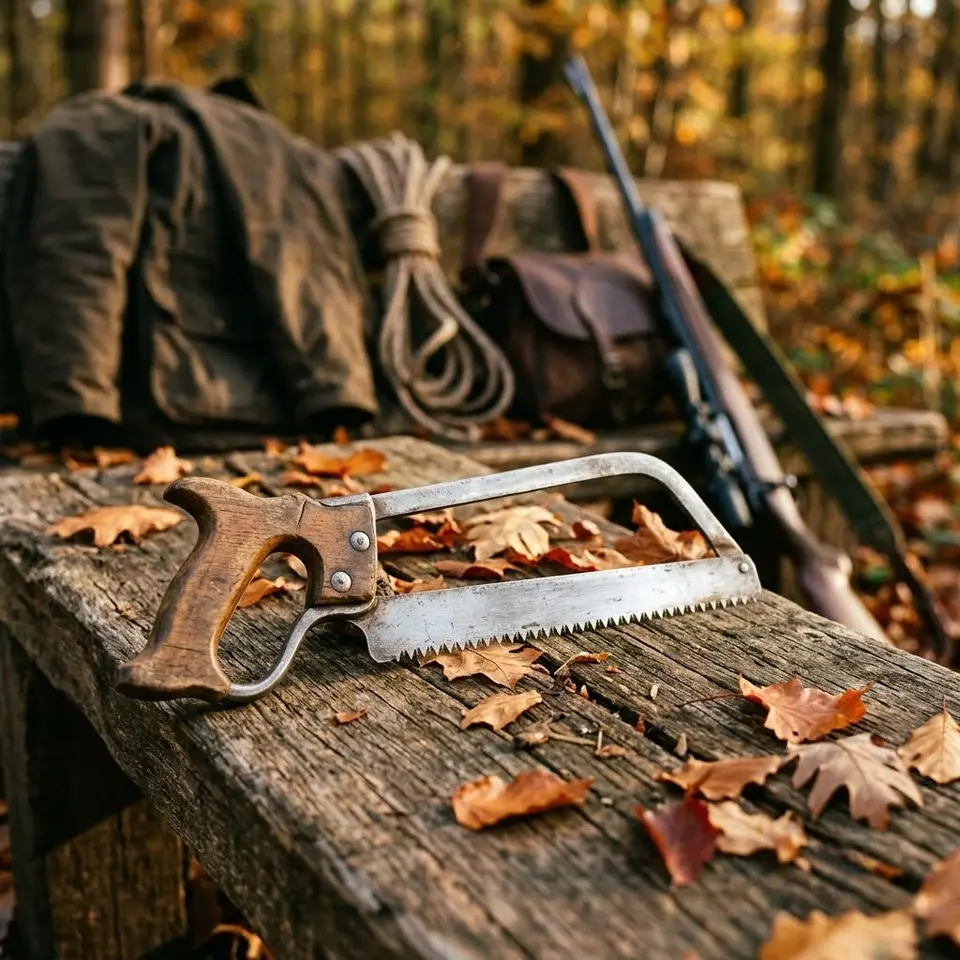
A knife cuts meat; a saw cuts bone. The compact bone/game saw handles the tasks that ruin blades - splitting the pelvic girdle and sternum during field dressing, quartering a carcass, sawing through the spine or leg bone for transport. It cuts fast and clean where a knife would pry, chip and slip, and folding or replaceable-blade models pack down small enough to live in the kill kit.
Sharp tools, real cuts. A sharp knife is safer than a dull one - it goes where you aim instead of skidding - but it also punishes a slip. Cut away from your body and your holding hand, keep a wet/greasy handle under control, wear a cut-resistant glove on the non-knife hand when boning or caping, and keep blades away from children. This is general guidance, not a substitute for hands-on instruction.
What it is
A small saw (fixed, folding or replaceable-blade) with aggressive coarse teeth for cutting through bone during field dressing, quartering and processing.
What it does best
Bone work: splitting the pelvis and sternum, sawing the spine, quartering, and cutting leg bones for the pack - clean cuts that keep meat off the ground and out of the gut. Where chronic wasting disease is present, check your wildlife agency's carcass rules before you saw through a spine or skull: North Dakota Game and Fish, for one, counts only meat with no part of the spinal column or head attached among a carcass's lower-risk portions.
How to use it
Steady the carcass, start the cut with short strokes to set the kerf, then long full strokes; keep the non-saw hand clear of the blade line. Let the teeth do the work - forcing wanders the cut.
Choosing one
Coarse-toothed replaceable or folding saws are the standard; some multi-tools include a game saw. A dedicated blade for bone (not the wood blade) cuts fastest.
Care & sharpening
Replace or swap dull blades; wire-brush bone and fat from the teeth, dry to prevent rust. Coarse bone blades aren't hand-sharpened - they're replaced.
Mistakes with this knife
Using a knife to pry through bone the saw should cut (broken tips, contaminated meat), sawing into the gut cavity carelessly, and letting a clogged, dull blade wander.
Brand-free guidance, not product recommendations. Sharp tools cause real cuts - cut away from your body and holding hand, use a cut-resistant glove for boning/caping, and keep blades from children. This is general education, not hands-on instruction.
Field-dressing kit
Links go to Amazon or a partner store (such as OpticsPlanet) and may earn us a commission at no extra cost to you. As an Amazon Associate we earn from qualifying purchases. We link gear types, not sponsors' picks: you choose the exact product.