Raising Welsummer Chickens
The cornflakes-rooster breed - a Dutch classic laying deep terracotta, often speckled eggs, on an alert, excellent-foraging bird with storybook good looks.
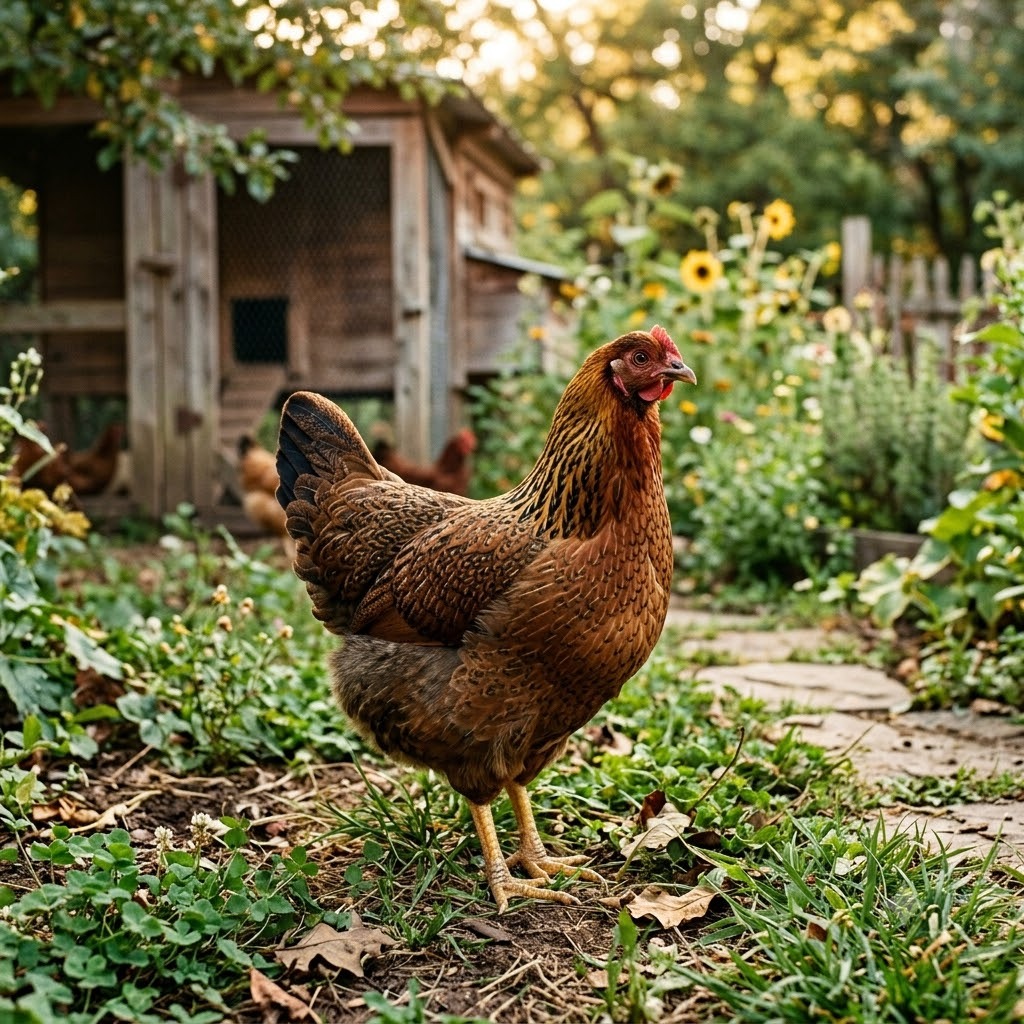
Welsummers bring the storybook to the coop - the Kellogg's rooster is one, and the hens lay some of the prettiest eggs in chickendom: deep terracotta-brown, frequently freckled with darker speckles. They're active, sharp-eyed foragers with classic red-partridge plumage, hardy in most climates and beloved by keepers who want their egg basket to look like a farmers-market ad.
Is it right for you?
Yes for dark, speckled eggs and a self-sufficient forager. Less ideal for tiny confined runs - Welsummers genuinely love to range.
Space & Housing
Standard housing; give them ranging room and they'll earn part of their feed in bugs and weeds. Decent flyers when young - taller fencing helps.
Feeding & Daily Care
Standard layer feed; free-ranging supplements it happily. Egg color richness partly follows overall nutrition.
Getting Started
Widely available from hatcheries and breeders; chicks are famously chipmunk-striped and easy to sex early by head markings (in experienced hands).
Health & Common Problems
Sturdy, no notable breed weaknesses; standard parasite and biosecurity care.
What You Get
160-200 terracotta eggs/year, many speckled; a picturesque, alert flock; good broody-free consistency (they rarely go broody).
Costs & Effort
Standard costs, beginner effort, slightly better feed-conversion if allowed to forage.
Common Mistakes
- Expecting Marans-black eggs (Welsummer = rich terracotta, not near-black)
- Confining a born ranger to a bare micro-run
- Judging the breed by late-season paler eggs
FAQ
Why do the eggs get lighter over the season?
Brown pigment is applied in the shell gland from a finite seasonal supply - early eggs get the thickest coat. A molt and winter rest reset the paint pot.
Welsummer or Marans for dark eggs?
Marans go darker (chocolate); Welsummers add speckles and better foraging. Serious egg-basket artists keep both.
🎯 Kit for keeping poultry
Links go to Amazon or a partner store (such as OpticsPlanet) and may earn us a commission at no extra cost to you. As an Amazon Associate we earn from qualifying purchases. We link gear types, not sponsors' picks: you choose the exact product.