Welsh Harlequin Duck: A Homesteader's Practical Guide
A light dual-purpose duck bred in Wales from Khaki Campbells, prized for heavy egg laying, a calm nature, and a lean table carcass. A strong all-rounder for small homesteads.
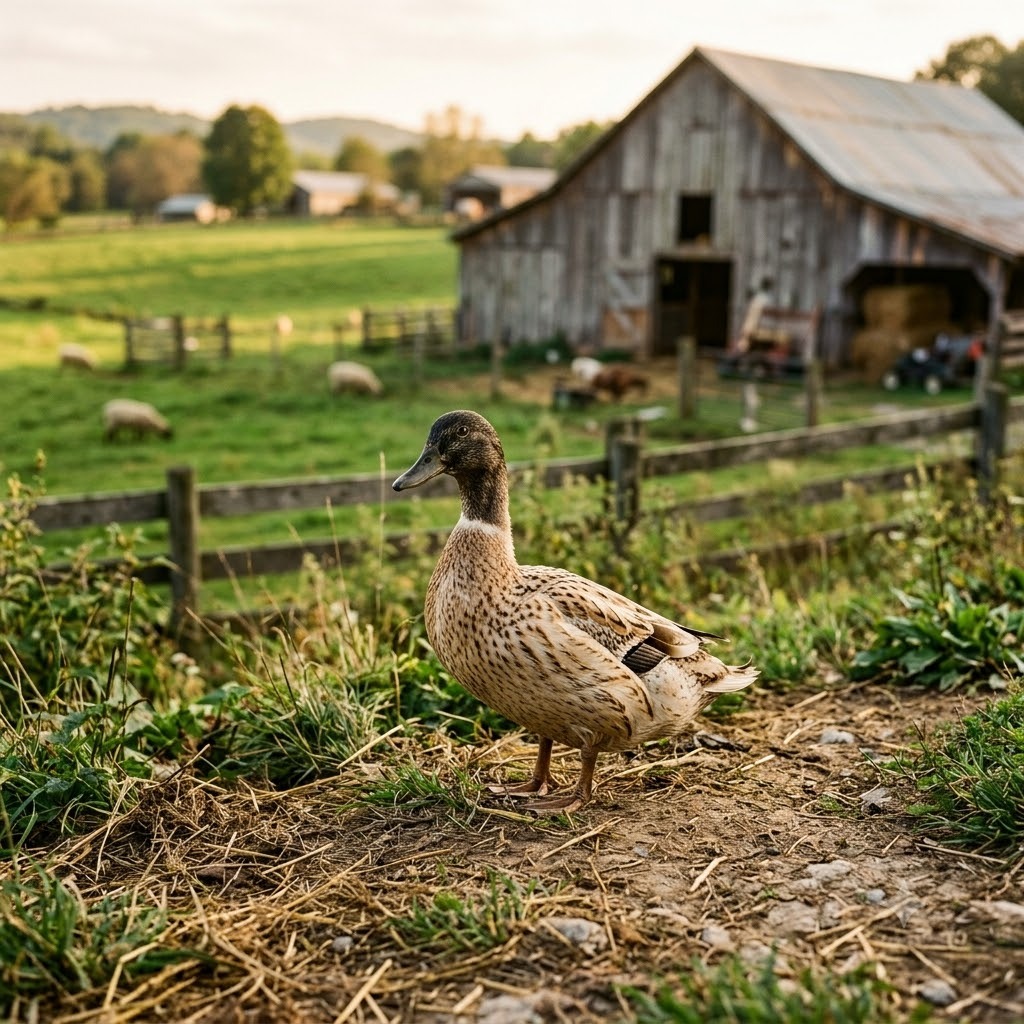
The Welsh Harlequin is a light dual-purpose duck developed in Wales in the late 1940s by Group Captain Leslie Bonnet, from a colour mutation of Khaki Campbells. It pairs heavy egg production with a respectable table bird and a calm, friendly disposition, which is why so many small homesteaders land on it as their first duck.
Is it right for you?
Good for small to mid-size homesteads that want eggs first, meat second. It suits beginners, tolerates a range of climates, and needs less space than heavy breeds. If you want a big roasting carcass, look elsewhere.
What you get
Strong layers: roughly 240-330 white to tinted eggs per year from good strains. Mature drakes reach about 5-5.5 lb, ducks about 4.5-5 lb, dressing out to a lean carcass usually processed around 12-16 weeks. Ducks give no milk or fibre.
Space & Housing
A dry, draught-free, predator-proof house with about 4 sq ft per bird, plus a fenced run. They forage well on pasture and appreciate a pond or even a large tub for bathing, though clean drinking water is the real must.
Feeding & Daily Care
Feed a waterfowl or poultry ration (higher niacin than chick feed), supplemented by foraging, greens and kitchen scraps. Daily routine: refill water, top feed, collect eggs, shut them in at dusk. Feed cost is modest for their output.
Temperament & Handling
Docile, curious and quiet by duck standards. Drakes are calm; ducks can be talkative but rarely loud. They handle easily and settle well with children and mixed flocks.
Health & Hardiness
Hardy in heat and cold given shade, dry bedding and shelter. They are generally robust with few breed-specific issues. For health questions, vaccination and any illness, consult reputable breeders and a livestock veterinarian.
Getting Started
Start with 3-6 birds; keep one drake per 4-6 ducks. Buy from a reputable breeder or hatchery. The colour-linked down allows day-old sexing in some strains; otherwise sex by voice and drake feather at maturity.
Common Mistakes
Using chick starter without niacin, causing leg problems. Skipping predator-proofing at night. Keeping too many drakes, which stresses and over-mates the ducks.
FAQ
Do Welsh Harlequins go broody and hatch their own?
Some do. They retain more brooding instinct than Campbells, so a proportion will sit and raise ducklings well.
Will they fly away?
No. They are heavy-bodied and poor fliers, so a modest fence keeps them home.
🎯 Kit for keeping poultry
Links go to Amazon or a partner store (such as OpticsPlanet) and may earn us a commission at no extra cost to you. As an Amazon Associate we earn from qualifying purchases. We link gear types, not sponsors' picks: you choose the exact product.