LaMancha Goat: Calm, High-Butterfat Dairy Goat
The LaMancha is a calm, tiny-eared American dairy goat prized for steady, high-butterfat milk. It is one of the easiest breeds for beginners and families wanting a home milk supply.
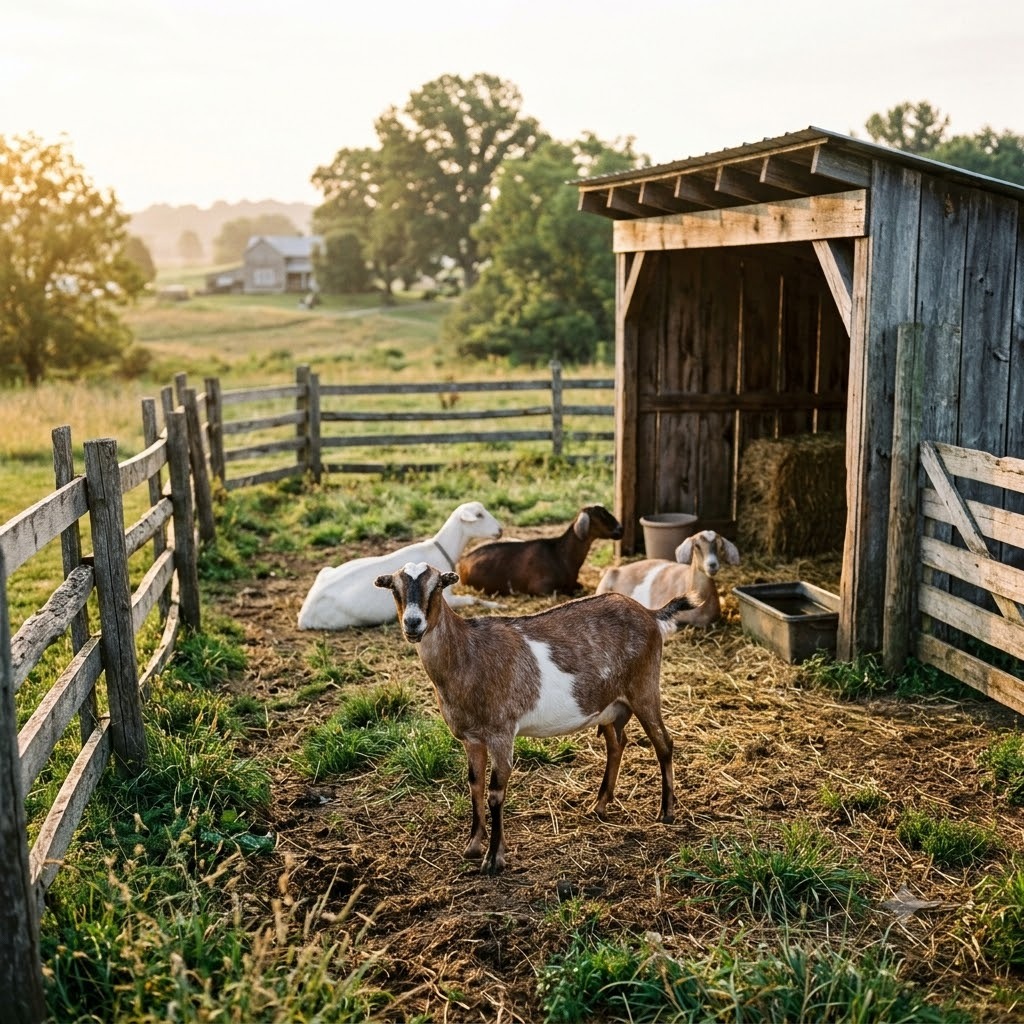
The LaMancha is America's own dairy goat, developed in Oregon in the 1920s and unmistakable for its tiny ears. Homesteaders keep them for steady, high-butterfat milk and one of the calmest temperaments in the goat world.
Is it right for you?
LaManchas suit anyone wanting reliable home milk without drama. They handle heat and cold reasonably well and forgive beginner mistakes. You need modest pasture or browse, secure fencing, and a commitment to milk once or twice daily through lactation.
What you get
This is a milk breed. A good doe gives roughly 1 to 2 gallons daily at peak, averaging 2,000 to 2,700 pounds over a 305-day lactation. Butterfat runs about 3.9 to 4.3 percent - rich for cheese, yogurt, and soap, with a mild, sweet flavor.
Space & Housing
Provide dry, draft-free shelter, about 15 to 20 square feet per goat, plus an outdoor run. Goats escape easily, so budget for strong woven-wire or electric fencing at least 4 feet high. Never keep just one.
Feeding & Daily Care
They thrive on browse, grass hay, and loose minerals, with grain for does in milk. Give fresh water daily and keep consistent morning and evening milking. Feed costs are moderate, mostly hay in winter.
Temperament & Handling
LaManchas are quiet, gentle, and people-friendly. They rarely scream like some breeds, lead easily, and stand well on the milk stand - a favorite for families and first-timers.
Health & Hardiness
The breed is hardy and adapts across climates. Routine concerns like parasites and hoof care apply as with any goat. For anything health-related, work with reputable breeders and a livestock veterinarian rather than guessing.
Getting Started
Start with at least two - a milker and a companion. Buy from a registered, health-tested herd, learn to tell doelings from bucklings, and plan yearly breeding to keep milk flowing.
Common Mistakes
The big ones: keeping a single lonely goat, underestimating fencing, and expecting milk without annual kidding. Many also skip loose minerals, which goats genuinely need.
FAQ
Do LaManchas really have no ears?
Nearly. They have tiny "gopher" ears or slightly longer "elf" ears. Their hearing is normal - the ears are just very small.
How long does a doe give milk?
A doe typically milks for about 10 months after kidding, then is dried off to rest before her next kidding.