Holstein Cattle: The High-Volume Dairy Cow
The Holstein is the world's top milk-producing dairy breed, a large black-and-white cow that gives huge volumes of milk for homesteaders with the pasture and feed to support it.
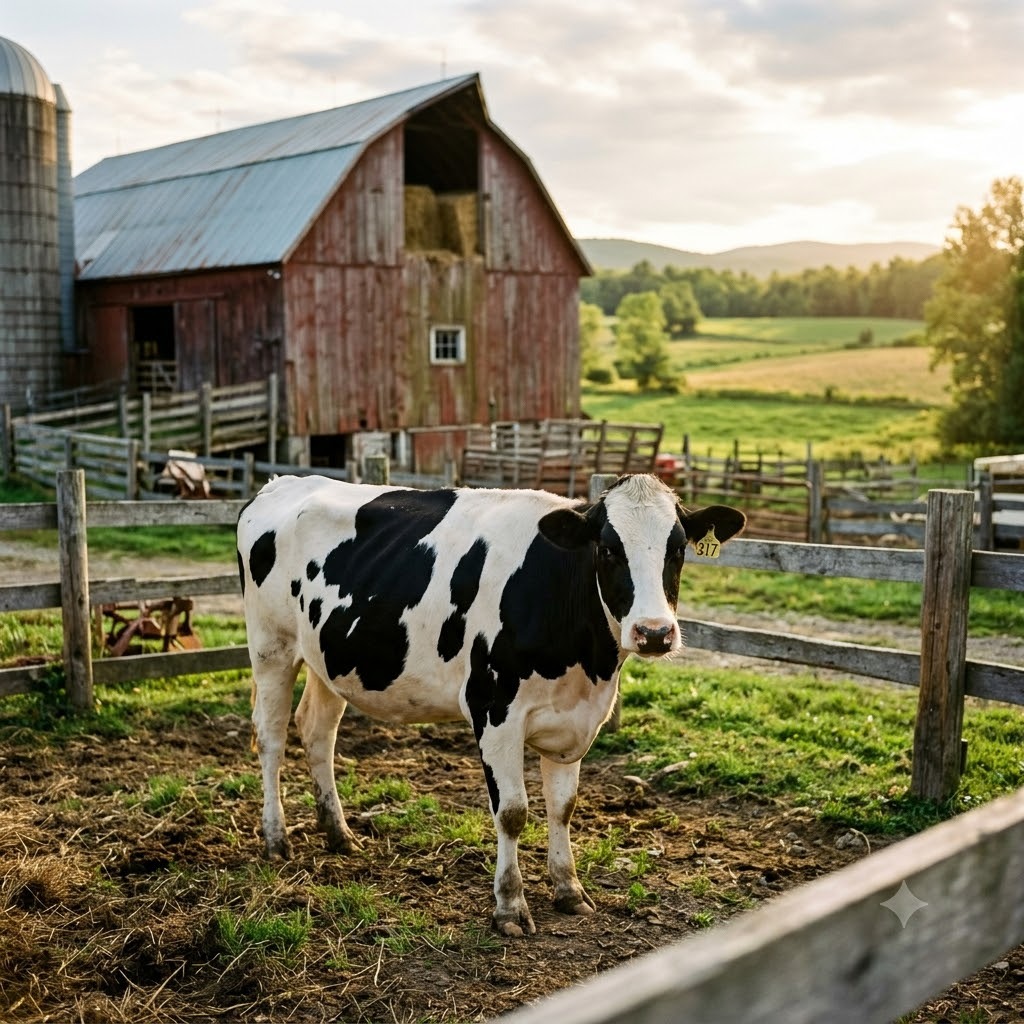
The Holstein is the black-and-white (sometimes red-and-white) cow most people picture when they think of a dairy cow. Bred in the Friesland region of the Netherlands and northern Germany, it is the world's highest-producing dairy breed. Homesteaders keep it for one reason: sheer volume of milk.
Is it right for you?
Holsteins suit homesteaders with real pasture, temperate weather, and a genuine need for a lot of milk. They are large, feed-hungry, and demanding, so some livestock experience helps. If you want a small, thrifty family cow, a smaller breed fits better.
What you get
Milk, and plenty of it. A well-fed Holstein commonly gives 6 to 9 gallons a day, often over 2,000 gallons per lactation. Butterfat is lowish, around 3.6 percent, so cream is modest for the quantity. Cows weigh roughly 1,500 pounds, and surplus calves yield lean beef.
Space & Housing
Provide a dry, draft-free shelter and sturdy fencing, since these heavy animals lean on weak posts. Allow roughly 1.5 to 2 acres of good pasture per cow, more on poor ground, with clean water always available.
Feeding & Daily Care
High output means a high feed bill. Good forage or hay is the base, topped with grain during lactation. Expect twice-daily milking on a set schedule, plus daily checks of water, feed, and udder.
Temperament & Handling
Most Holsteins are calm and people-friendly, though heavier and slightly more active than the mellowest breeds. Regular handling keeps them easy. Respect their size, since even a gentle cow can hurt you by accident.
Health & Hardiness
Holsteins take cold well but struggle in heat, since heavy milking generates body heat, so summer shade and water matter. Calving carries real metabolic demands. For health specifics, lean on reputable breeders and a livestock veterinarian rather than guessing.
Getting Started
Start with one or two. A bred heifer or a fresh cow is the simplest entry. Buy from a reputable breeder who shows production and health records. Staying in milk means rebreeding yearly, usually by artificial insemination.
Common Mistakes
Underfeeding one and still expecting full milk, so it loses condition fast. Underestimating the feed bill and daily commitment. Keeping a single cow, forgetting that cattle are herd animals that fret when kept alone.
FAQ
How much milk will one Holstein really give?
More than most families can use, often 6 gallons a day or more. Many homesteaders let a calf share-nurse to manage the flood.
Are Holsteins good for beef too?
They are bred for milk, not muscle, but surplus calves and older cows still give usable, lean beef.
🎯 Kit for small livestock
Links go to Amazon or a partner store (such as OpticsPlanet) and may earn us a commission at no extra cost to you. As an Amazon Associate we earn from qualifying purchases. We link gear types, not sponsors' picks: you choose the exact product.