Highland Cattle: A Homesteader's Guide to the Shaggy Beef Breed
Highland Cattle are a hardy, long-horned Scottish beef breed prized for foraging tough ground and thriving outdoors in cold, wet weather. They grow slowly but give lean, well-marbled beef with very little fuss.
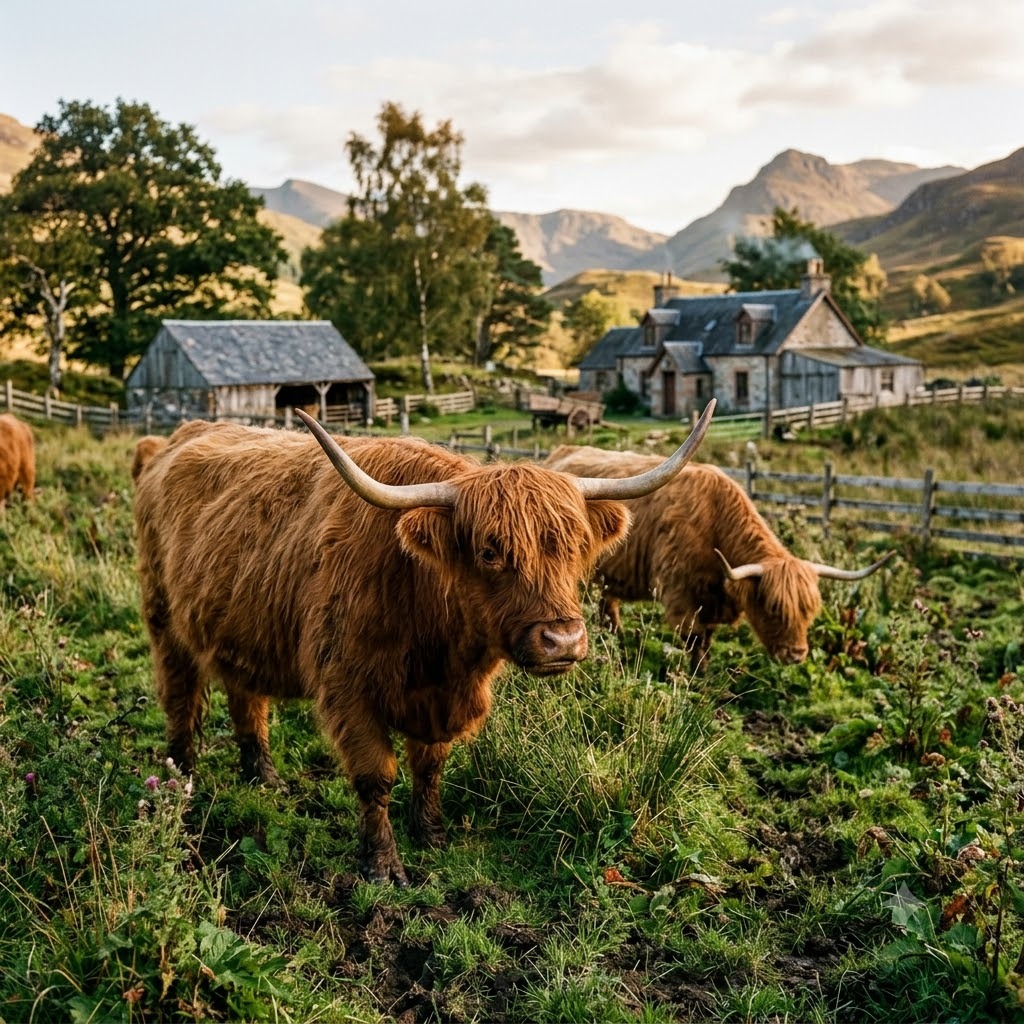
Highland Cattle are the shaggy, long-horned breed from the Scottish Highlands, one of the oldest registered cattle breeds in the world. Homesteaders keep them because they are extraordinarily hardy, thrive outdoors on rough pasture that would starve other cattle, and produce lean, well-marbled beef with almost no fancy inputs.
Is it right for you?
Highlands suit homesteaders with cold, wet, or hilly land and the patience for a slow-growing animal. They are a good fit for graziers who want low-input beef and can manage horned stock. They are not ideal for hot, humid climates or for anyone wanting fast turnover.
What you get
Primarily beef. Cows mature around 900 to 1,100 lb, bulls 1,500 to 1,800 lb. They finish slowly, usually at 24 to 36 months, giving lean, tender, low-fat beef. A few keepers hand-milk them; expect only about 1 to 2 gallons a day, and it is rich in butterfat.
Space & Housing
They rarely need a barn - a windbreak, trees, or a simple three-sided shelter is enough. Fencing must be stout; those horns test weak fences. Plan for at least 1 to 2 acres of decent pasture per cow, more on poor ground.
Feeding & Daily Care
Grass and good hay do most of the work. Highlands are efficient foragers and browsers, clearing brush other cattle ignore, so the feed bill runs lower than most beef breeds. Provide fresh water, minerals, and winter hay.
Temperament & Handling
Generally calm and docile, and they can become quite tame with handling. Respect the horns and give cows space at calving. They are quiet animals, not noisy.
Health & Hardiness
Their double coat handles brutal cold and wet superbly, but they struggle in heat and humidity. They are hardy and long-lived with few breed-specific problems. For health decisions, work with reputable Highland breeders and a livestock veterinarian.
Getting Started
Start with two or three heifers from a registered breeder; cattle are herd animals. Buy healthy, well-handled stock and add a proven bull or use artificial insemination later.
Common Mistakes
Underestimating the fencing needed for horns, expecting fast finishing, and keeping them in hot climates where they suffer.
FAQ
Are the horns dangerous?
Not usually - Highlands are calm - but the horns are real tools. Handle calmly and never crowd a cow with a calf.
How long until butcher weight?
Longer than most breeds, typically 24 to 36 months. The reward is lean, flavorful beef from cheap forage.