Raising Campine Chickens
A sprightly Belgian heirloom - white-hackled over black-barred bodies - that forages like a professional, lays white eggs steadily and stays vanishingly rare.
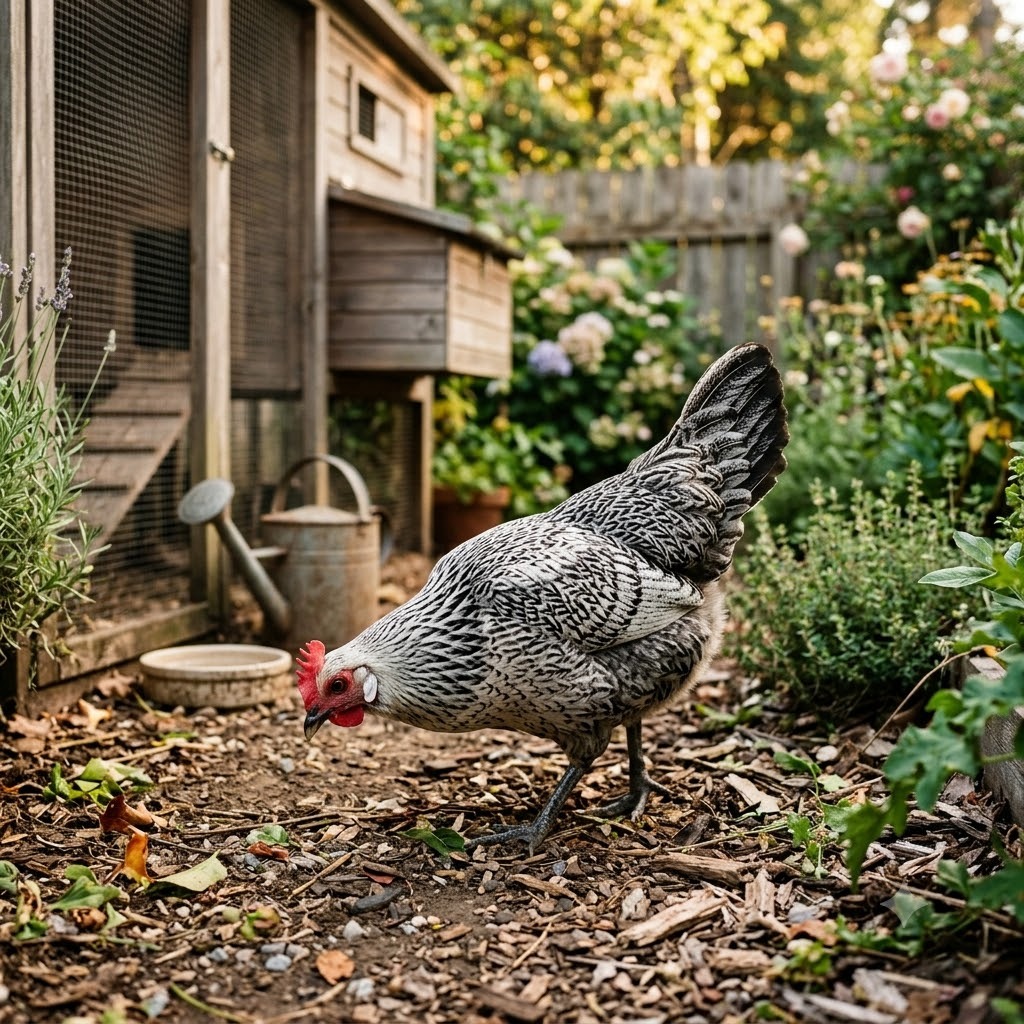
Campines patrol Belgian farmyards in medieval woodcuts and modern conservation lists alike - sprightly, close-feathered birds with silver or gold hackles cascading over crisply barred bodies. They are the busy professionals of the forage economy: tireless bug-hunters, steady white-egg layers, hawk-smart and self-reliant, waiting quietly for keepers to rediscover them.
Is it right for you?
For active-forage setups and rare-breed conservators; not for cuddles or confinement-heavy yards.
Space & Housing
Range or roomy covered runs (they fly capably); standard coops; single combs want winter watching in hard-frost regions.
Feeding & Daily Care
Economical on range - the breed's historic job was converting Belgian field-edges into eggs.
Getting Started
Rare-breed hatcheries and clubs, seasonally; silver is classic, gold equally lovely.
Health & Common Problems
Hardy, active constitution; frostbite on combs is the main climate note.
What You Get
150-200 white eggs/year, professional pest patrol, ornamental barring, and rare-breed stewardship credentials.
Costs & Effort
Light feet, light feed bill; the effort is sourcing and giving them room to work.
Common Mistakes
- Expecting tame lap birds from a self-reliant forager
- Tight confinement of a born ranger
- Reading hen-feathered males as defects
FAQ
Silver or Golden Campine?
Same bird, different hackle metal - silver-on-black reads more striking at range, gold warmer up close. Conservation needs both.
Why keep a rare breed over a hatchery hybrid?
Every Campine flock keeps 500 years of Belgian farm genetics alive - eggs plus meaning, at hybrid-adjacent productivity on range.
🎯 Kit for keeping poultry
Links go to Amazon or a partner store (such as OpticsPlanet) and may earn us a commission at no extra cost to you. As an Amazon Associate we earn from qualifying purchases. We link gear types, not sponsors' picks: you choose the exact product.