Barbados Blackbelly Sheep: A Hair Sheep for Easy-Care Meat
A hardy, self-shedding hair sheep from the Caribbean, kept for low-maintenance meat production. Parasite-resistant and heat-tolerant, but athletic, flighty, and a strong jumper.
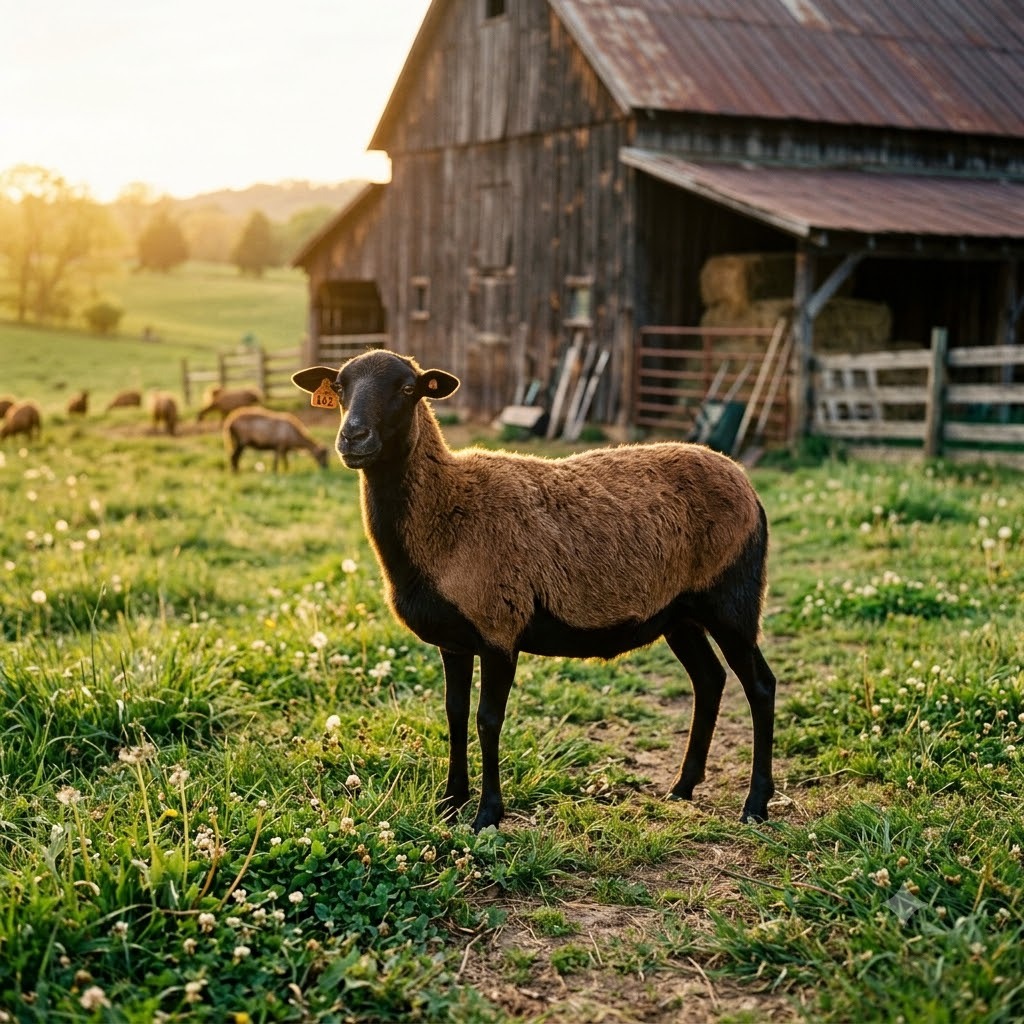
The Barbados Blackbelly is a hair sheep that grew wild on the island of Barbados from African and European stock brought over centuries ago. Homesteaders keep it because it grows a hair coat instead of wool, so there is no shearing, no crutching, and no wool to sell or dump. It is one of the most parasite-resistant and heat-tolerant sheep you can own, which makes it a favourite in the American South and other warm regions.
Is it right for you?
Best for a warm-climate homesteader who wants meat lambs with the least possible upkeep and does not want to shear. You need solid fencing and enough pasture. Not ideal if you want wool, milk, or a cuddly pet - these are lean, athletic animals with a wild streak.
What you get
Meat, not much else. Ewes weigh roughly 80-120 lb and rams 100-150 lb - smaller than wool breeds, so carcasses are modest but the meat is lean and mild. Lambs reach a 60-90 lb market weight around 6-9 months. Ewes are prolific, often twinning and lambing out of season, so you can get more than one crop a year. No usable wool or fibre, and they are not a dairy breed.
Space & Housing
A simple three-sided shelter or windbreak is enough in mild climates; they dislike cold, wet conditions. Fencing is the real cost - they are excellent jumpers and escape artists, so plan on tight woven wire or multi-strand electric at least 4 feet high. Allow a few animals per acre of decent pasture.
Feeding & Daily Care
Grass and browse do most of the work. Good pasture plus a mineral supplement covers most of the year; add hay in winter and a little grain only for pregnant or nursing ewes. Because they forage well and stay small, the feed bill is lower than for large wool breeds.
Temperament & Handling
Flighty and alert, not docile. They flock tightly, spook easily, and would rather flee than be handled. Quiet, patient handling and good working facilities matter. Rams can be assertive in season. They are relatively quiet, not noisy neighbours.
Health & Hardiness
Their standout trait is strong resistance to internal parasites and heat, which cuts a big cost of raising sheep in warm regions. They handle humidity well but need dry shelter in cold, wet weather. For vaccination, parasite management, and any illness, work with a livestock veterinarian and buy from reputable breeders who track health and genetics.
Getting Started
Start with three or four ewes and one unrelated ram, or begin with bred ewes for a faster first lamb crop. Buy from an established breeder rather than a sale barn. Both ewes and rams are naturally polled (hornless), though rams may carry small scurs; rams are larger and can be more assertive. Keep breeding records to avoid inbreeding in a small flock.
Common Mistakes
Underbuilding fences is the classic error - they will clear a low fence and roam. Second, treating them like tame wool sheep and skimping on handling facilities. Third, assuming heat tolerance means cold tolerance; they need dry shelter in winter.
FAQ
Do Barbados Blackbelly sheep need shearing?
No. They grow a hair coat that sheds naturally each year, so there is no shearing, crutching, or wool handling.
Are they good for beginners?
They are low-maintenance on parasites and feed, which helps, but their flighty temperament and jumping ability make good fencing and calm handling essential.
🎯 Kit for small livestock
Links go to Amazon or a partner store (such as OpticsPlanet) and may earn us a commission at no extra cost to you. As an Amazon Associate we earn from qualifying purchases. We link gear types, not sponsors' picks: you choose the exact product.