Alpine Goat: A Homesteader's Milk-Breed Guide
The Alpine is a hardy, high-yielding French dairy goat that suits homesteaders who want a lot of milk and can handle an active, curious animal. Expect strong production, good climate tolerance, and a goat that tests every fence.
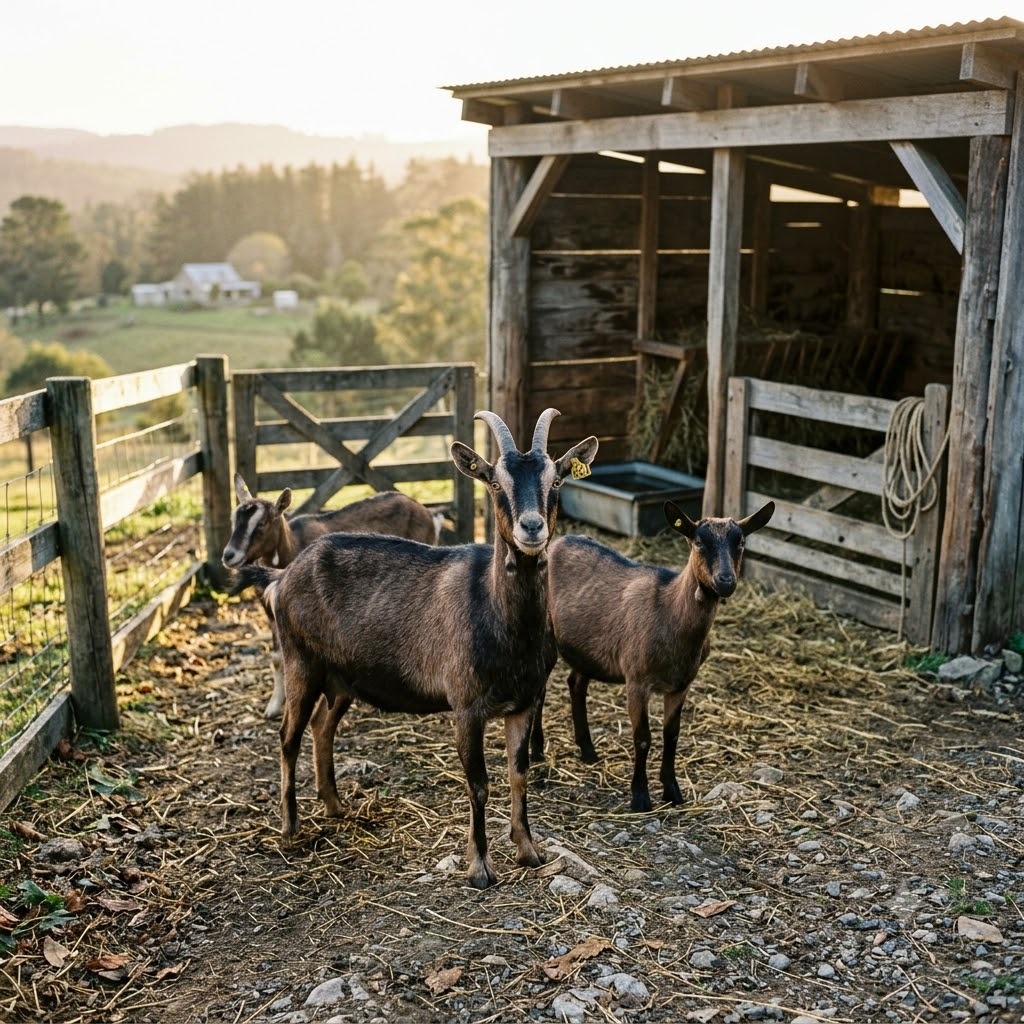
The Alpine (or French Alpine) is a medium-to-large dairy goat from the French Alps, prized as one of the top milk producers among the standard breeds. Homesteaders keep it for steady, high-volume milk with good butterfat, plus a rugged constitution that copes with varied climates. It is a working dairy animal first, not a pet, though it earns its keep.
Is it right for you?
Best for homesteaders who want serious milk volume and have secure fencing, room to roam, and time for twice-daily milking. Alpines handle cold and heat well, but their energy and escape skills suit someone ready for an active goat, not a beginner wanting a docile lawn ornament.
What you get
A good Alpine doe gives roughly 1 to 1.5 gallons (4 to 6 liters) of milk per day at peak, or around 1,500 to 2,000+ pounds over a 9 to 10 month lactation. Butterfat runs about 3.5%. Mature does weigh around 135 pounds, bucks 170+.
Space & Housing
They need a dry, draft-free shelter and at least 200+ square feet of outdoor space per goat, more is better. Fencing is the real cost: Alpines climb, push, and probe, so plan on 4 to 5 foot woven wire or well-tensioned electric.
Feeding & Daily Care
Diet is browse, pasture, and good hay, with grain for milking does. A lactating doe eats a lot; budget for quality hay year-round plus a mineral supplement. Daily routine means milking twice a day on a consistent schedule.
Temperament & Handling
Alpines are curious, bold, and friendly but assertive, with strong herd-boss tendencies. They are vocal when it suits them and quite smart, which makes them both easy to train and hard to contain.
Health & Hardiness
Hardy and adaptable across climates, with no fibre coat to fuss over. For any health concern, breeding decisions, or herd testing, work with a reputable Alpine breeder and a livestock veterinarian.
Getting Started
Start with two or more (goats hate being alone), buying healthy, tested stock from an established breeder. Learn to sex kids and understand basic breeding cycles before you expand.
Common Mistakes
Underbuilding fences, keeping a single lonely goat, and underestimating a milking doe's feed needs are the classic errors.
FAQ
How much milk will one Alpine doe give?
Roughly a gallon or more per day at peak, tapering across a long lactation.
Are Alpines good for beginners?
They are manageable but energetic and clever; a committed first-timer can succeed with strong fencing and a second goat.