African Goose: Heavyweight Homestead Meat Bird
The African Goose is one of the largest domestic goose breeds, kept mainly for its heavy meat carcass and its loud, watchful presence. Despite the name, it descends from the wild Swan Goose of Asia.
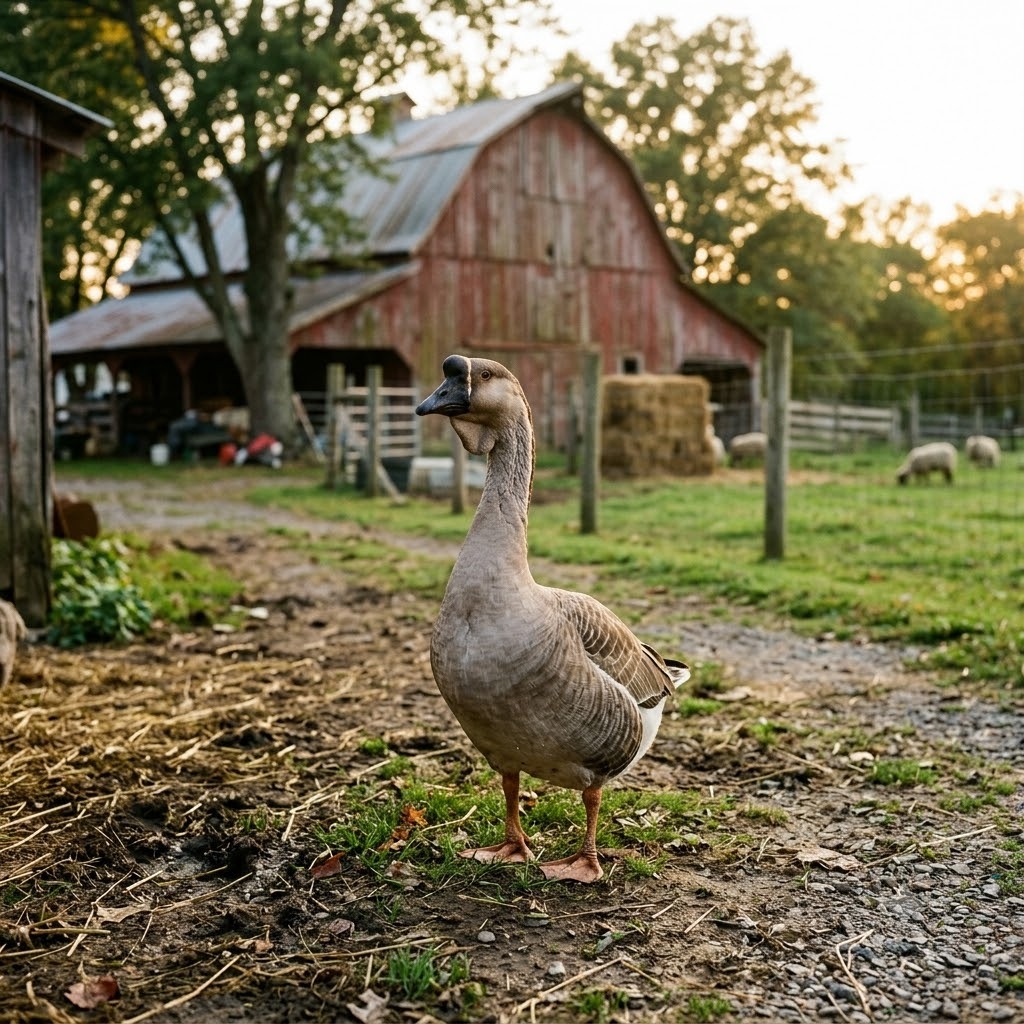
The African Goose is one of the largest domestic goose breeds, easily spotted by the heavy knob above its bill and the loose dewlap under its throat. Despite the name it traces back to the wild Swan Goose of Asia, not Africa. Homesteaders keep it mainly as a heavyweight meat bird that doubles as a loud, effective alarm animal.
Is it right for you?
Best for homesteaders with pasture, a meat goal, and a mild-to-moderate climate. It is a poor fit for tiny yards or bitterly cold regions without good shelter. Beginners can manage it if they can handle a big, vocal, sometimes bossy bird.
What you get
Meat is the main output. Ganders reach roughly 20-28 lb (9-12.7 kg) and geese 18-20 lb (8-9 kg). Eggs are seasonal - about 20-40 large white eggs a year, mostly in spring. No milk or fibre.
Space & Housing
A dry, predator-proof shelter with clean bedding and around 15-20 sq ft per bird. They barely fly, so a 3 ft fence holds them. Give grass to graze and a tub or pond deep enough to dunk their heads.
Feeding & Daily Care
They are grazers - grass carries much of the diet in season. Supplement with waterfowl or poultry pellets, grain, and grit, plus constant fresh water. The feed bill is modest on good pasture and climbs in winter.
Temperament & Handling
Loud and territorial, especially ganders in breeding season. Handling from gosling age tames them well. They are not flighty, but a defensive gander deserves respect.
Health & Hardiness
Hardy foragers overall. The main concern is the knob, which can frostbite in hard freezes, so provide draft-free winter shelter. The knob and dewlap take two to three years to fully develop. For any health questions, work with reputable breeders and a livestock veterinarian.
Getting Started
Begin with a pair or trio from a reputable breeder or hatchery. Sexing is done by vent check or voice - ganders are louder and higher-pitched.
Common Mistakes
- Underestimating the noise and a gander's breeding-season aggression.
- Skipping winter shelter and ending up with frostbitten knobs.
- Expecting steady eggs - this is a meat breed, not a layer.
FAQ
Are African Geese good for meat?
Yes. Their large frame gives one of the biggest carcasses of any goose breed, which is the main reason homesteaders raise them.
Are they aggressive?
They can be, particularly ganders guarding a nest. Regular gentle handling from a young age keeps them manageable, and their loud voice makes them useful watch animals.
🎯 Kit for keeping poultry
Links go to Amazon or a partner store (such as OpticsPlanet) and may earn us a commission at no extra cost to you. As an Amazon Associate we earn from qualifying purchases. We link gear types, not sponsors' picks: you choose the exact product.