English Cocker Spaniel
The English Cocker Spaniel is a compact, hard-driving flusher bred to root woodcock and pheasant from heavy cover and put them up within gun range.
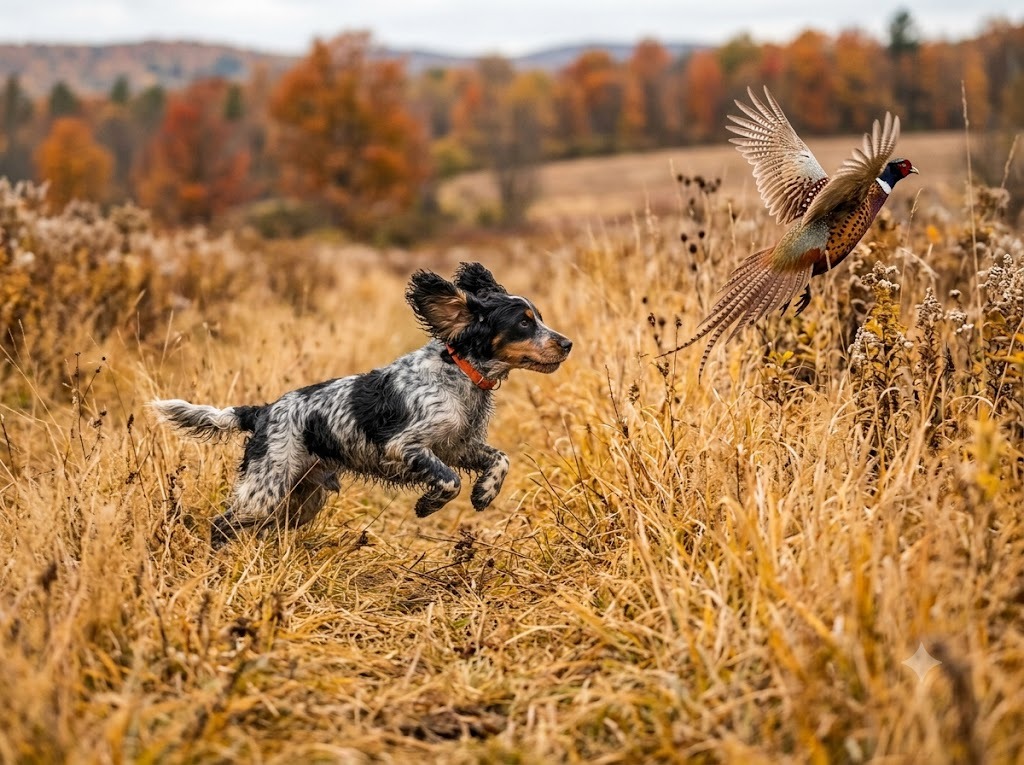
The English Cocker Spaniel is a small, tireless flushing dog built to bust birds out of the thickest cover a bigger breed would skip. It hunts close, nose down and tail going, and lives to put game into the air within gun range. Compact size hides a genuinely hard-driving hunting engine.
What it was bred to do
The breed took shape in 19th-century England out of the old land spaniels, and its name comes from the woodcock it was made to root out of dense hedgerows and undergrowth. Breeders eventually split the smaller cockers from the larger springers by size and job. Working lines were selected to quarter tight cover, flush upland birds, and fetch them back.
In the field
Expect a close-working dog that quarters back and forth in front of the gun, rarely ranging far. It drives into brambles, cattails, and briars that punish taller breeds, then flushes deliberately within range. Pace is quick and busy, with a constant nose. Field-bred cockers handle water and cold cover well and retrieve willingly, but this is a walking-up dog, not a big-country pointer.
Temperament and trainability
A good cocker is merry, affectionate, and highly biddable, reading its handler closely. That sensitivity cuts both ways: harsh handling shuts them down, and field lines can be strong-willed and self-employed when birdy. Energy is high and they need real work; a bored cocker gets noisy indoors. Given a job, most settle with a genuine off-switch at home.
Best game and conditions
Best on upland gamebirds in heavy cover - woodcock, pheasant, quail, and similar walk-up shooting. They shine in briars, hedgerows, and marsh edges, and handle cold-water retrieves. They are not a wide-ranging prairie dog, not a pointer, and their feathered coat loads up with burrs and struggles in extreme heat.
Health and honest notes
Like any breed, cockers carry some known considerations, and their long drop ears and feathering need attention after a day in dirty cover. They tolerate cold better than heat. This is not medical guidance - for temperament, structure, and health screening, work with reputable breeders, professional gun-dog trainers, and your veterinarian.
What you get
For the right hunter, a cocker is a huge amount of flushing dog in a small package: relentless in cover, honest to the gun, and a friendly companion once the day is done.
Common mistakes
The big ones are underestimating the energy and treating a working cocker as a couch dog; using heavy-handed correction on a sensitive breed; and neglecting ear and coat care after brushy hunts.
FAQ
Are they big enough to hunt seriously? Yes - field-bred cockers are compact but hard-driving flushers built for dense upland cover.
Show or field lines for hunting? Working field lines are bred for drive and stamina; ask reputable breeders about proven hunting stock.
Good for a first-time gun-dog owner? They can be, but the energy and sensitivity demand consistent work and a soft, steady hand.
🐕 A field-focused look at this breed as a working partner - not a training manual and not a guide to raising or caring for a dog. Drive, biddability and health vary hugely within any breed. Talk to reputable breeders, professional gun-dog trainers and your own veterinarian before you choose, train or hunt a dog, and keep a working dog's safety and welfare first in heat, cold and water.