Braque Francais
The Braque Francais is a gentle, close-working French pointing breed that hunts, points and retrieves fur and feather on land and in water. Biddable and eager, it suits the foot hunter who wants a versatile partner rather than a big-running specialist.
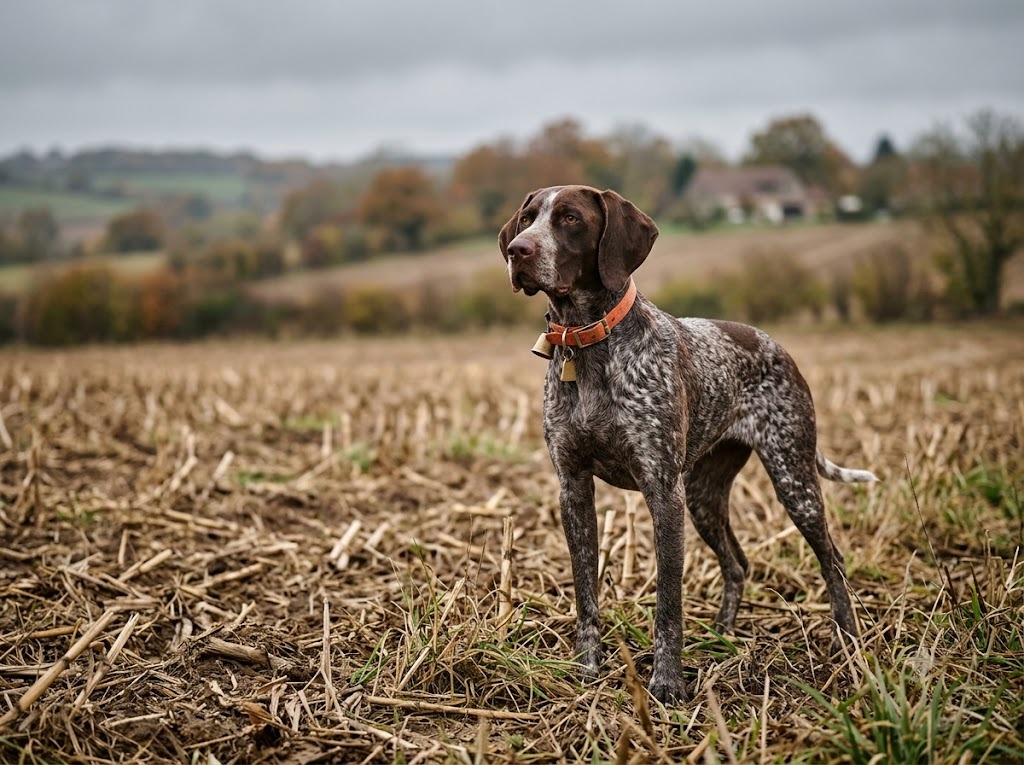
The Braque Francais is one of France's oldest pointing breeds - a versatile HPR gun dog that hunts close, points staunchly, and retrieves fur and feather from land and water. It comes in two types, the smaller Pyrenean and the larger Gascony, and both share the same calling card: a big nose, a moderate range, and a soft, willing head. This is a meat-in-the-bag dog for the walking hunter, not a wide-ranging trial specialist.
What it was bred to do
Developed in southwestern France, in the Pyrenees and Gascony, the Braque Francais dates back centuries and is considered an ancestor of many modern pointers. It was bred by foot hunters to find, point and fetch a mixed bag of game - a practical do-everything gun dog for family meat pots, not for horseback prairie work.
In the field
Expect a methodical, close-quartering dog that stays within gun range and checks in often. It works cover and water willingly, holds a solid point, and delivers a soft-mouthed retrieve. Pace is steady rather than blazing, which suits hunters on foot who want to see their dog work.
Temperament and trainability
Very biddable, sensitive and affectionate, the Braque Francais reads its handler and wants to please. Energy is high in the field but it settles calmly at home given real exercise. That sensitivity is a double edge - it learns fast but wilts under heavy-handed pressure, so it is genuinely not a dog for a harsh hand.
Best game and conditions
Best on upland birds - quail, pheasant, grouse, woodcock - plus rabbit and light waterfowl retrieving over moderate cover. It is not ideal for hunters who need a wide, independent range across huge open country, nor for people who cannot give it daily work.
Health and honest notes
As a rare breed the gene pool is limited, so sourcing matters. The short coat handles brush and moderate weather but offers little against hard cold or icy water, and dark dogs can overheat in early-season sun. For any health, temperament or line questions, talk to reputable breeders, professional gun-dog trainers and your veterinarian.
What you get
For the right hunter, a versatile, honest, affectionate partner that points, retrieves and lives happily in the house between seasons.
Common mistakes
Training it like a hard-headed pointer and crushing its confidence; under-exercising it and blaming the resulting restlessness on the dog; and expecting big-country range it was never built for.
FAQ
Is it good for a first-time hunting-dog owner? Yes, its biddable nature forgives a lot, provided you avoid harsh correction and give it work.
Does it need a lot of exercise? Yes - it is calm indoors only when its real energy needs are met.
Can it handle waterfowl? It retrieves from water well in mild conditions, but it is not a dedicated cold-water duck dog.
🐕 A field-focused look at this breed as a working partner - not a training manual and not a guide to raising or caring for a dog. Drive, biddability and health vary hugely within any breed. Talk to reputable breeders, professional gun-dog trainers and your own veterinarian before you choose, train or hunt a dog, and keep a working dog's safety and welfare first in heat, cold and water.