Snort-Wheeze Call
The snort-wheeze is a mature buck's face-to-face challenge - the nuclear option that either commits a hung-up giant or ends the encounter on the spot.
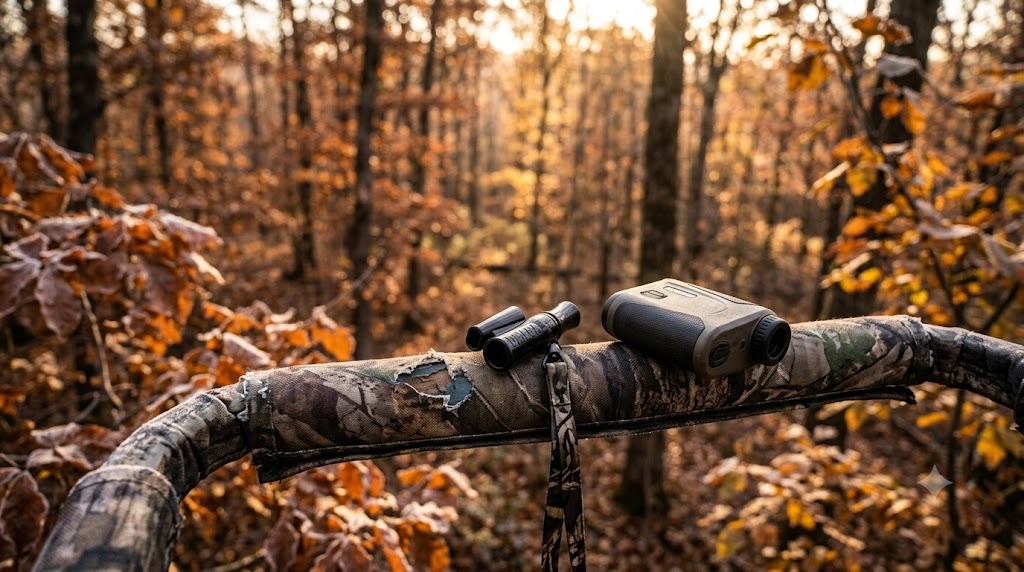
The snort-wheeze - a sharp 'fff-fff-wheeeeze' through flared nostrils - is the most aggressive sound a whitetail makes: one dominant buck telling another to back down or fight, right now. As a call it is a scalpel, not a hammer: used on the right mature buck at the right moment it triggers a committed, stiff-legged approach; used on the wrong deer it clears the field. You carry it all season and use it twice.
What it is & the sound
A small call (or a practiced mouth sound) reproducing the three-part challenge: two short air bursts and a long wheeze. It communicates top-of-the-pecking-order aggression - nothing about it is subtle.
When & where it works
The rut, on a MATURE buck that is visible, hung up out of range, and ignoring grunts - often one tending a doe or posturing at a distance. Territory matters: it works best on the boss, in his core, when he can see or find the 'challenger'.
How to run it
One snort-wheeze, then nothing. If he stiffens, flattens his ears or starts a heavy-legged walk your way - done, get ready. If he ignores it, a second call five minutes later is the entire remaining budget; three is begging.
Choosing one
Many grunt tubes include a wheeze port - fine. Dedicated calls add realism at the 'fff-fff' attack. Honestly, the best version is your own mouth (tongue behind teeth, two spits and a hard exhale) - free and always with you.
Practice drills
Learn it by ear from real footage and drill the cadence: short-short-loooong. Then drill the discipline part - rehearse the decision tree of when NOT to use it, because that judgment IS the skill.
Common mistakes
Using it on young or nervous bucks (they leave - you just out-ranked them), using it blind with no target, and following it with more calling - the silence after the challenge is what makes it real.
⚠️ Calling regulations vary - electronic calls especially are restricted for some species, states and seasons. Always check the current official regulations for your area before hunting; this page is general technique guidance, not legal advice.