Coyote Howler
The howler speaks coyote to coyotes - locating packs at night, pulling territorial dogs to a challenge, and adding the vocal realism distress-only callers lack.
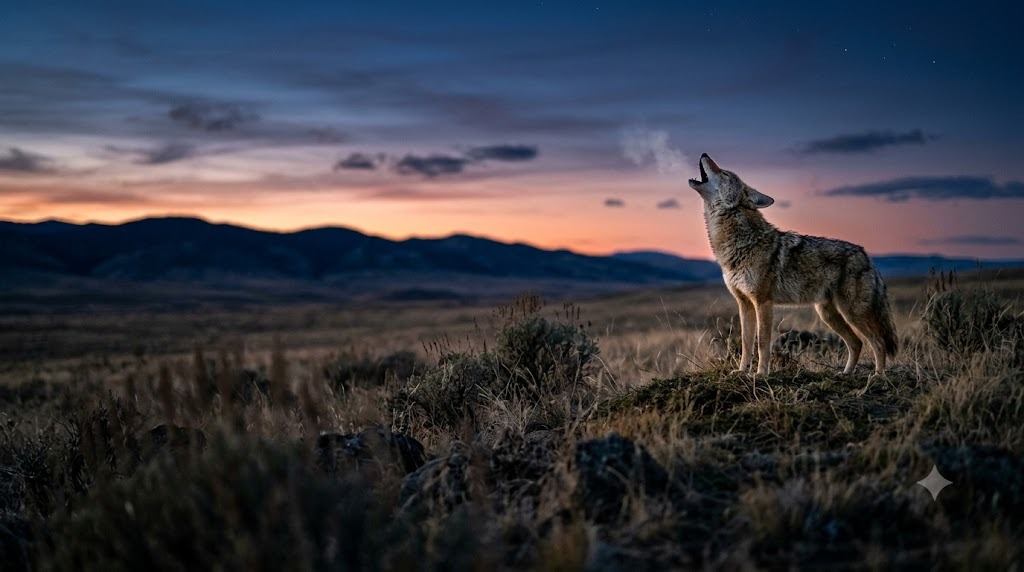
Distress screams work until the local coyotes have heard every dying rabbit in the catalog - then you talk to them in their own language. The howler produces the full vocabulary: lone-howl loneliness, group yip-howls, territorial challenges and female invitations. It locates packs after sundown the way an owl hoot locates gobblers, and during breeding season a single female howl can walk a dominant male across an open flat in daylight.
What it is & the sound
A horn-shaped open- or closed-reed call built for the long, bending notes of canine speech: the rising-falling lone howl, fast yip-howl choruses, deep threatening challenge howls and short interrogation barks.
When & where it works
Locating: after dark and at first light - howl from a ridge, mark answering packs, hunt them at dawn. Calling: territorial/breeding season (roughly Jan-Mar) for challenge and female howls; year-round as a 'new coyote in town' opener before distress sounds.
How to run it
Locate: one lone howl, listen three minutes, move on - never educate. Hunting sequence: a soft lone howl, ten quiet minutes, then distress; or in breeding season, female invitation howls with long waits. Answering barks mean made - challenge or move.
Choosing one
A quality open-reed howler doubles as a distress call (versatility wins); diaphragm-plus-megaphone rigs free the hands. Practice against real coyote audio - pitch bends sell the lie.
Practice drills
The lone howl: start low, rise smoothly, hold, fall off - one clean breath. Yip-howl drill: fast ascending yips breaking into a howl. And the interpretation drill: learn what answering sounds MEAN (barks = made you; group yips = family territory; silence + minutes = incoming).
Common mistakes
Howling too much (one series carries a mile - more is a parade), challenge-howling young dogs into the next county (matched aggression only works on dominant residents), and ignoring the answered bark - once he barks at you, the stand is usually over.
⚠️ Calling regulations vary - electronic calls especially are restricted for some species, states and seasons. Always check the current official regulations for your area before hunting; this page is general technique guidance, not legal advice.