Selfbow / Primitive Bow
A bow made from a single stave of wood - often built by the archer - shooting wooden arrows in the oldest, most demanding and most personal form of bowhunting.
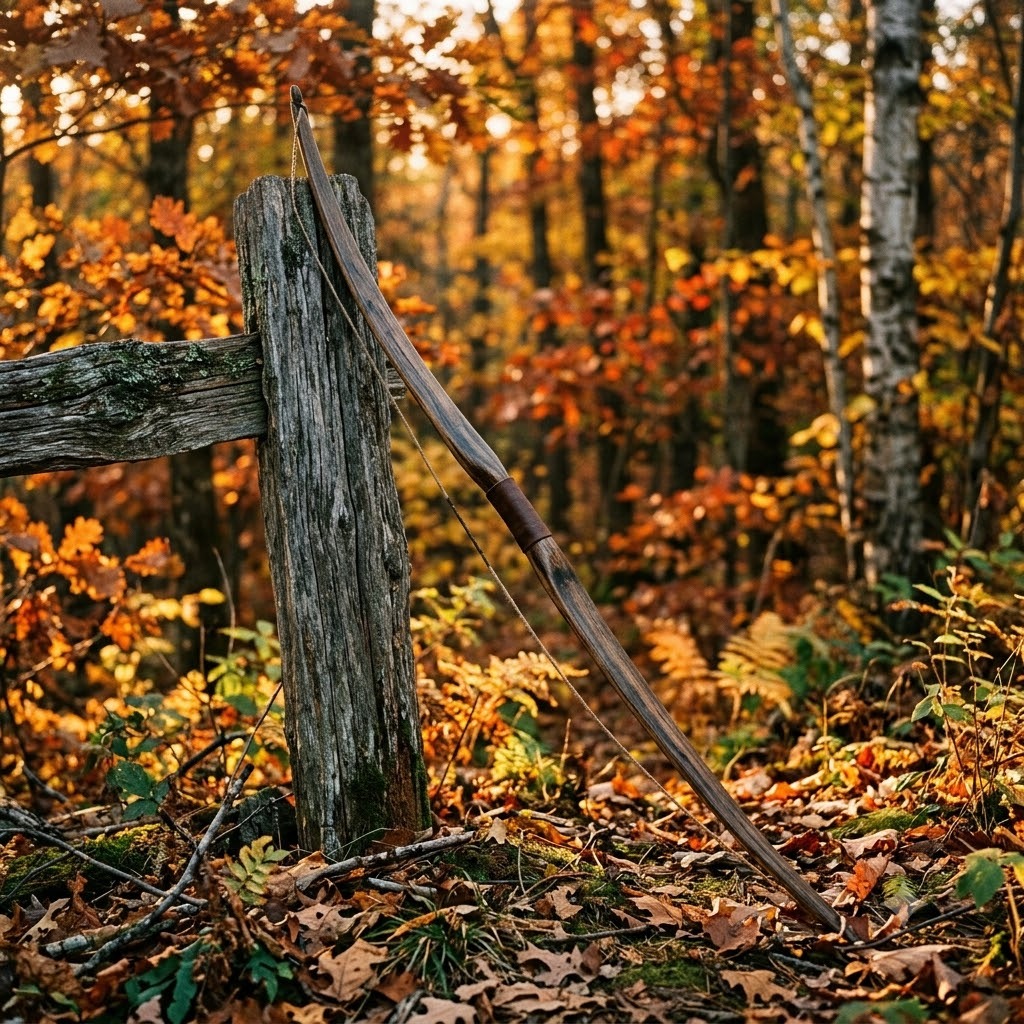
A selfbow is carved from one piece of wood (osage, hickory, yew), with no laminations, no fibreglass, sometimes no more than a shaped stave and a string. Many who hunt with one also make it, tillering the limbs by hand. It's the deepest end of traditional archery - lower, slower, utterly unforgiving of poor form, and often paired with hand-made wooden arrows. For a small devoted group, harvesting game with a self-made bow is the entire point of the pursuit.
⚠️ Draw weight, legality and safety. A hunting bow must meet your state's minimum draw weight and archery-equipment rules - which vary widely and change - so confirm current regulations with your wildlife agency before hunting; we don't give legal advice. Never dry-fire a bow (drawing and releasing with no arrow can destroy it and injure you), match arrow spine to your setup, and get a pro-shop fitting for draw length and weight. This is brand-free educational guidance, not a substitute for hands-on instruction.
What it is
A bow made from a single stave of wood (no laminations), frequently hand-built and tillered by the archer, shooting traditional (often wooden) arrows.
How it shoots
Held at full weight, aimed purely instinctively, and slower than laminated trad bows - demanding the closest shots and the most refined form. The most 'primitive' and personal shooting experience.
Who it suits
Dedicated traditionalists and bowyers who want the ultimate hand-made challenge and the connection of hunting with a bow (and arrows) they built themselves.
Choosing one
Buy from a skilled bowyer or learn to build one; either way choose an aimable weight that respects your legal minimum, and expect variability - wood bows are individuals.
Setup & practice
Match wood arrows carefully to the bow's weight, tune by shooting, and practice enormously; keep shots very close and honest. Store and care for the wood to prevent cracking and set.
Common mistakes
Overbowing, neglecting arrow-to-bow matching, taking long shots a slow wood bow can't ethically make, and mistreating the stave (heat, damp, over-stringing) until it breaks or takes set.
🏹 Brand-free guidance, not product recommendations. Bows must meet your state's minimum draw weight and archery rules, which vary and change - confirm with your wildlife agency before hunting. Never dry-fire a bow, match arrow spine to your setup, and get a pro-shop fitting. We don't give legal advice.