Recurve Crossbow
The simplest crossbow type: curved limbs, no cams or cables, fewer things to break - wider and a touch slower than a compound, but reliable and the easiest to maintain yourself.
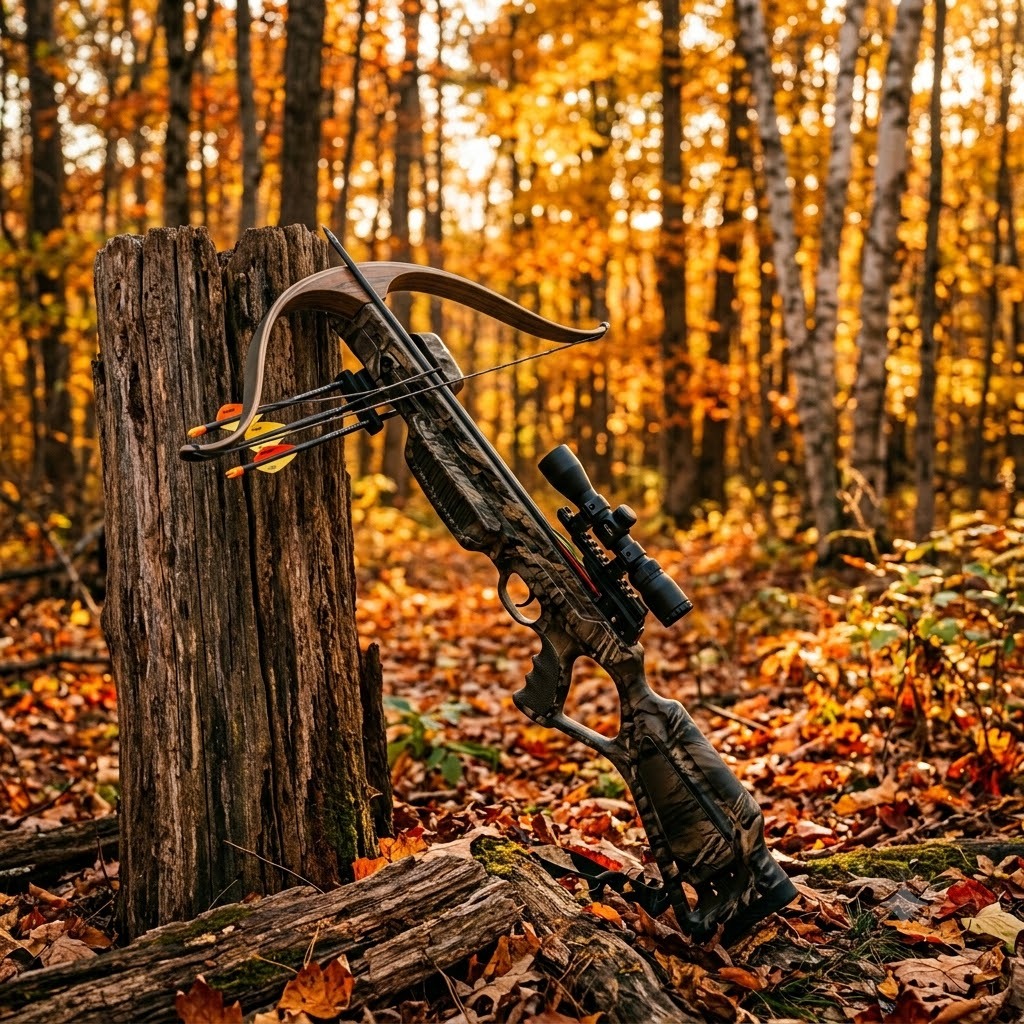
The recurve crossbow is the horizontal cousin of the traditional recurve: two curved limbs, a string, and nothing else in the power train. No cams, no cables, no timing to slip. That simplicity costs some speed - recurve crossbows need heavier draw weights and wider limbs to match compound performance - but it buys reliability and maintenance you can do at home, including string changes without a bow press on many models. For a hunter who values 'it just works' over spec-sheet speed, it's the sensible pick.
⚠️ Crossbow safety and legality. Crossbow rules differ from vertical-bow rules and vary sharply by state and season - some allow them all archery season, some only in firearms seasons or with a disability permit - so confirm current regulations with your wildlife agency; we don't give legal advice. Keep fingers and thumb BELOW the rail at all times (the string will take them off), never dry-fire, follow the maker's minimum bolt weight, de-cock only by the maker's approved method, and never climb into a stand with a cocked, loaded crossbow. Brand-free educational guidance, not a substitute for hands-on instruction.
What it is
A crossbow with simple curved limbs and a single string - no cams or cables. The oldest and most mechanically simple crossbow layout, typically wider axle-to-axle than a compound.
How it shoots
Cocked and locked like any crossbow, aimed through a scope, fired with a trigger. Slightly slower per pound of draw weight than a compound, so draw weights run heavier; the shot is smooth and the noise moderate.
Who it suits
Hunters who want maximum reliability and home maintenance, first crossbow buyers, and anyone hunting far from a pro shop - fewer parts means fewer failures in the field.
Choosing one
Look for a cocking effort you can manage (or add a crank), a safe anti-dry-fire mechanism, and limb width that suits your blind or stand. Heavier draw weight is normal here - judge by bolt speed, not poundage alone.
Setup & practice
Zero the scope with your hunting bolts, then verify broadhead impact separately. Learn the maker's de-cocking method, wax the string regularly, and check limb tips and string serving for wear - the upkeep you can do is the point.
Common mistakes
Comparing draw weights against compounds (recurves need more poundage - that's design, not weakness), skipping string wax, fingers above the rail, and leaving it cocked for days.
🏹 Brand-free guidance, not product recommendations. Bows must meet your state's minimum draw weight and archery rules, which vary and change - confirm with your wildlife agency before hunting. Never dry-fire a bow, match arrow spine to your setup, and get a pro-shop fitting. We don't give legal advice.