Recurve Bow
Curved limb tips store extra energy in a simple, elegant bow with no let-off - shot instinctively without sights, it rewards devotion with a pure, close-range traditional craft.
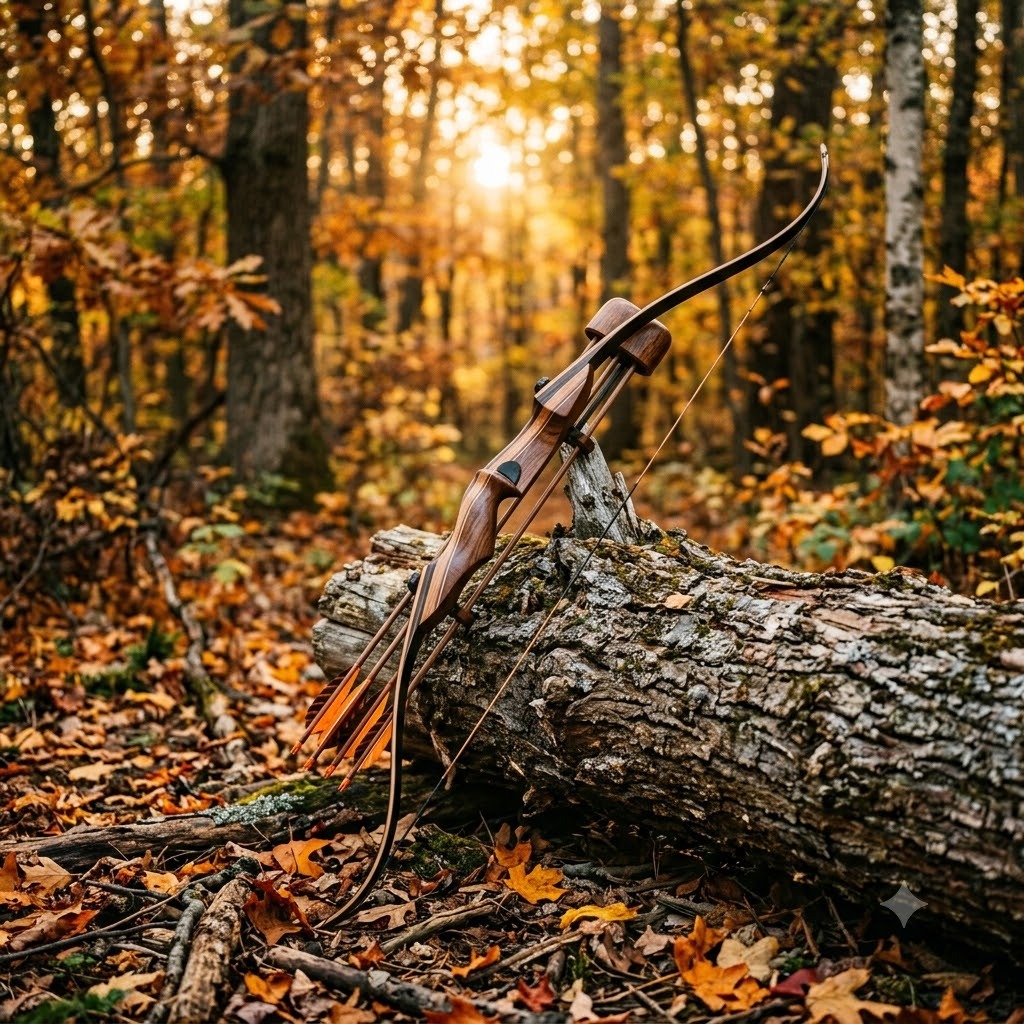
The recurve's limbs curve away from the archer at the tips, storing more energy than a straight bow of the same length and giving a smoother, faster shot than a longbow. There's no let-off - you hold the full draw weight while you aim - so it demands strength, form and thousands of arrows, usually shot instinctively without sights. In return it offers the lightweight, elegant, deeply engaging heart of traditional bowhunting, at close range.
⚠️ Draw weight, legality and safety. A hunting bow must meet your state's minimum draw weight and archery-equipment rules - which vary widely and change - so confirm current regulations with your wildlife agency before hunting; we don't give legal advice. Never dry-fire a bow (drawing and releasing with no arrow can destroy it and injure you), match arrow spine to your setup, and get a pro-shop fitting for draw length and weight. This is brand-free educational guidance, not a substitute for hands-on instruction.
What it is
A traditional bow with limbs that curve forward at the tips, storing extra energy; shot without let-off, typically instinctively (no sights) off the shelf or a simple rest.
How it shoots
You hold the entire draw weight at anchor - no mechanical let-off - and release cleanly; most shooters aim instinctively, building the sight picture through repetition. Slower and shorter-ranged than a compound, demanding closer, more careful shots.
Who it suits
Traditional-minded hunters willing to invest serious practice for close-range shooting; those who want a simple, light, take-down-friendly bow and the challenge of instinctive form.
Choosing one
Choose a draw weight you can hold and aim steadily (many find 45-55 lb the ethical hunting floor for deer-sized game - check your legal minimum); take-down recurves let you tune limb weight. Fit and comfortable draw matter most.
Setup & practice
Match arrow spine to your holding weight, tune bare-shaft for flight, and practice relentlessly - instinctive accuracy is built by volume. Keep shots close and know your effective range honestly.
Common mistakes
Overbowing (can't hold or aim heavy trad weight), too little practice for instinctive shooting, shooting beyond honest range, and mismatched arrow spine.
🏹 Brand-free guidance, not product recommendations. Bows must meet your state's minimum draw weight and archery rules, which vary and change - confirm with your wildlife agency before hunting. Never dry-fire a bow, match arrow spine to your setup, and get a pro-shop fitting. We don't give legal advice.