Raising Wyandottes: The Cold-Hardy Beauty
A guide to Wyandottes - strikingly patterned, cold-hardy American dual-purpose chickens with frost-resistant rose combs, laying well through winter and growing a solid meat carcass.
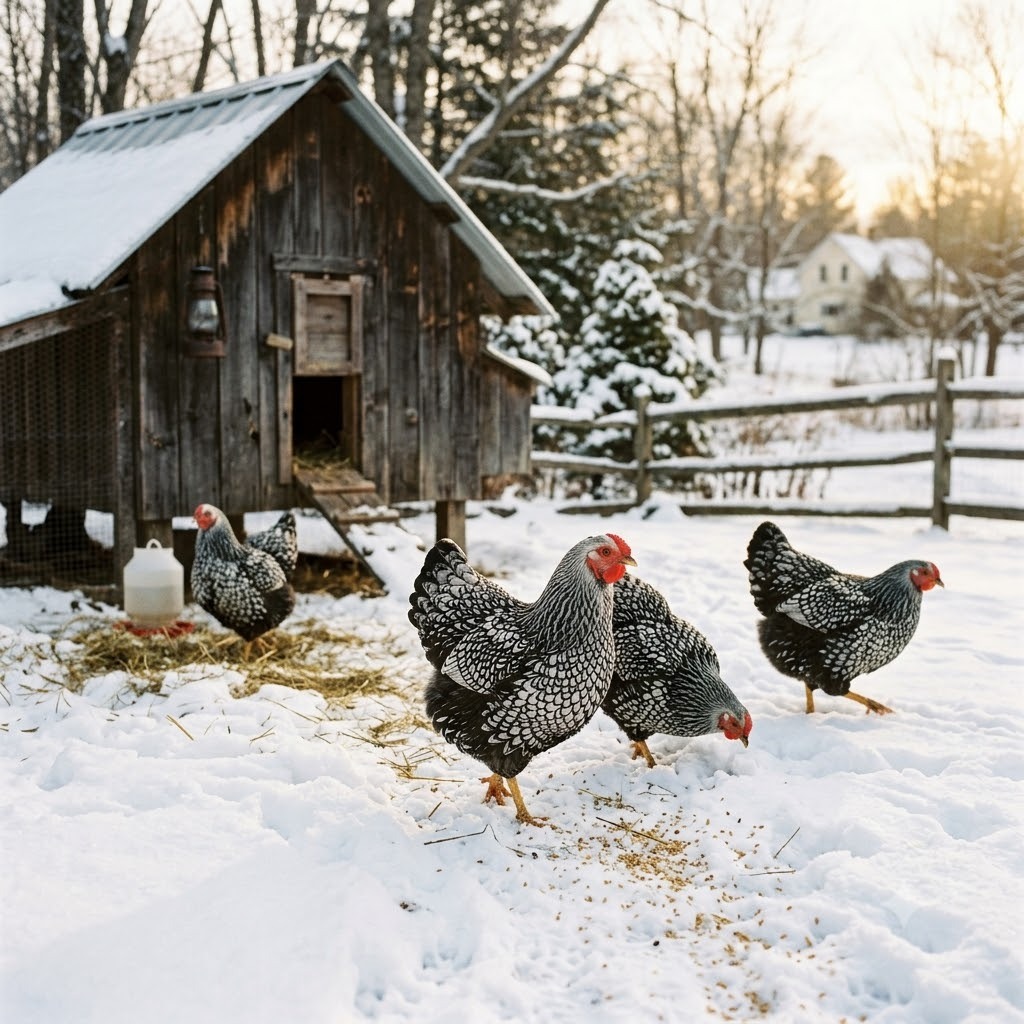
Wyandottes are as practical as they are beautiful - their intricate laced feathering, especially the silver-laced pattern, is stunning, while their low rose comb resists the frostbite that plagues tall-combed breeds. Hardy through hard winters, they keep laying brown eggs when the cold slows other hens, and they grow a solid meat carcass. For cold climates, they are a top dual-purpose choice.
Is it right for you?
Wyandottes suit anyone in a cold climate who wants a hardy, productive, beautiful dual-purpose bird. Their frost-resistant comb and winter laying make them especially valuable where it gets cold.
Space & Housing
A standard coop and run suits them; they tolerate confinement and forage well. Their cold-hardiness means they need less winter fuss than many breeds, but keep the coop dry.
Feeding & Daily Care
Feed a layer or all-flock ration plus scraps and forage, with grit and water; daily care is simple. They keep laying through winter with good feed and light.
Getting Started
Start with a few pullets, provide a secure coop, and expect eggs by around six months. They handle cold from the start with their tight combs and dense feathering.
Health & Common Problems
Very cold-hardy with few issues; the rose comb resists frostbite. Watch for the usual mites, worms and standard ailments, and keep the coop dry and ventilated.
What You Get
A dependable supply of brown eggs, including through winter, plus a solid meat carcass from surplus birds - and a strikingly handsome flock.
Costs & Effort
Low - hardy, winter-productive and good foragers, with the added value of thriving where cold defeats other breeds.
Common Mistakes
Few; a damp coop (frostbite risk even with good combs) and weak predator-proofing are the usual slips.
FAQ
Best for cold climates? Yes - the frost-resistant rose comb and winter laying make them ideal.
Eggs or meat? Both - a genuine dual-purpose breed.