Raising Brahmas: The Gentle Giant of the Coop
A guide to Brahmas - a towering, feather-legged breed once called the 'King of Chickens', a gentle giant that grows a large meat carcass, lays through winter, and shrugs off cold.
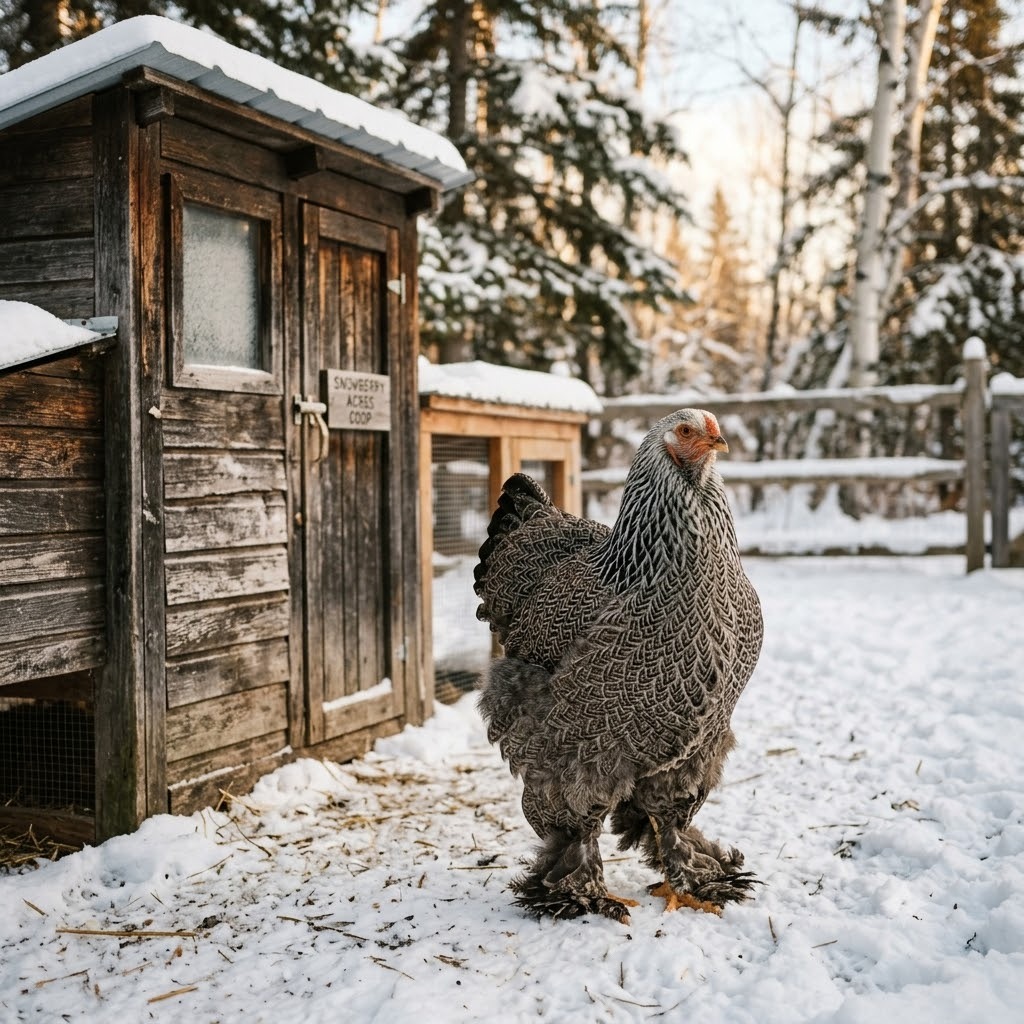
Brahmas were once called the 'King of Chickens' for good reason - towering, feather-legged birds that dwarf ordinary hens, yet are famously calm and gentle. They grow a large meat carcass, keep laying brown eggs through winter when others stop, and their dense plumage and feathered legs make them supremely cold-hardy. For a big, gentle, cold-climate dual-purpose bird, they are a standout.
Is it right for you?
Brahmas suit anyone in a cold climate who wants a large, gentle meat-and-egg bird, or simply an impressive, docile flock member. Their size needs a little more space and dry footing.
Space & Housing
A standard coop with a bit more room per bird suits their size; crucially, keep the run dry, as their feathered feet pick up mud and risk frostbite in wet cold. Roosts should be low for heavy birds.
Feeding & Daily Care
Feed a layer or all-flock ration plus scraps and forage, with grit and water; large birds eat a bit more. Keep bedding dry to protect their feathered legs.
Getting Started
Start with a few pullets, provide a dry, secure coop with low roosts, and expect eggs by around six to seven months as these large birds mature slowly.
Health & Common Problems
Superbly cold-hardy; the main watch-points are muddy or wet footing (foot problems, frostbite on feathered legs) and slower maturity. Keep them dry and give heavy birds low roosts.
What You Get
A large meat carcass from surplus birds, a steady supply of brown eggs including through winter, and a gentle, impressive flock.
Costs & Effort
Moderate - they eat more and mature slower as giant birds, but their hardiness, winter laying and docility repay it.
Common Mistakes
Wet or muddy footing (harming feathered legs), high roosts for heavy birds, and expecting fast maturity are the usual mistakes.
FAQ
Are they gentle despite the size? Yes - famously calm gentle giants.
Cold-hardy? Exceptionally - dense plumage and feathered legs, but keep the footing dry.